
Volver al blog
Artículo
Large Container Mobile House
Admin 15 de septiembre de 2026
A large container mobile house is an independent large office or residential unit transformed from a standard container, featuring a sturdy structure, flexible splicing and expansion, and ease of transportation and deployment. The following is an introduction from several aspects including types, structural performance, application scenarios, and development trends:
Types
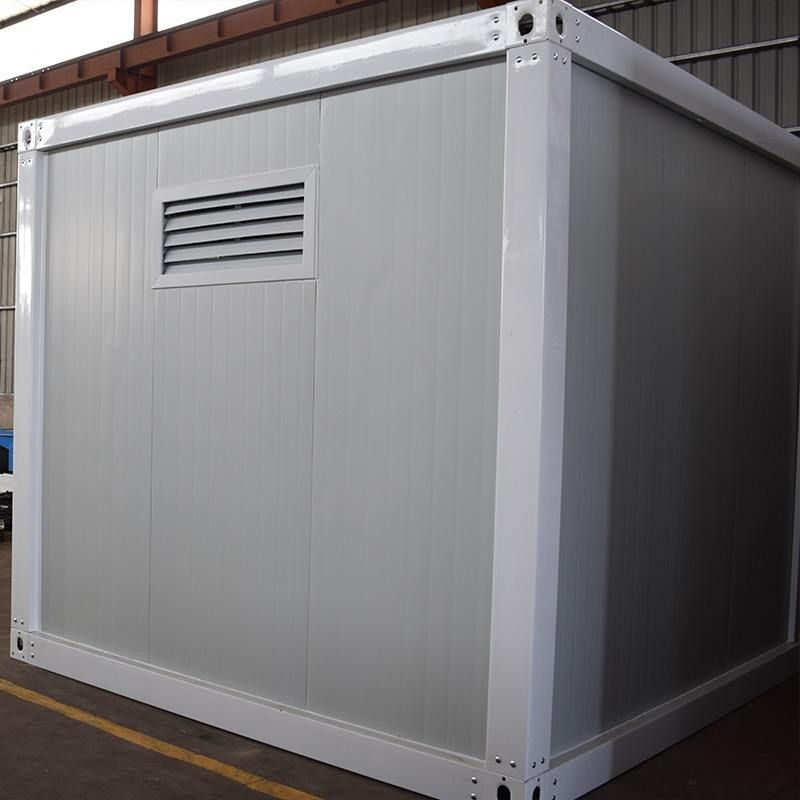
- Container-based office houses: These are transformed from standard containers, with common sizes of 20 feet and 40 feet. They can be used as a single unit or spliced together from multiple units. They have a sturdy structure and are easy to transport, making them suitable for project departments, construction site command centers, and other scenarios.
- Expandable office houses: These add lateral or end expansion modules to the container. After expansion, the usable area can increase by 30%-50%, making them suitable for long-term on-site office work that requires a higher level of spatial comfort.
- Customized creative office houses: These incorporate elements such as glass curtain walls, wood-grain finishes, and irregular structures. They are used in brand exhibitions, cultural and creative parks, high-end temporary offices, and other scenarios, balancing functionality and visual expression.
Structural Performance
- Stability under extreme conditions: High-quality container houses perform excellently under extreme conditions. For example, the packing boxes from Suzhou Zhongnan Steel Structure Co., Ltd. adopt a full steel structure frame. The measured wind resistance level reaches 12, the earthquake resistance level is 8, and the frame deformation rate is only 0.18%, far below the industry's qualified threshold of 0.3%.
- Multiple disassembly and reuse: Under the conditions of standardized use and regular maintenance, the average number of disassembly and reuse times for leading compliant products can reach more than 8 times. Compared with traditional fixed temporary buildings, the amount of construction waste generated can be reduced by about 90%, resulting in higher resource utilization.
Application Scenarios
- Office scenarios: These include project departments, construction site command centers, park temporary offices, event planning sites, etc.
- Residential scenarios: They can be used as temporary dormitories, emergency housing, etc. For example, the Nagoya Asian Games once used container-transformed houses to accommodate athletes.
- Commercial scenarios: They can be used for mobile commerce, cultural and tourism accommodation, etc. For example, a giant black container building can extend into a coffee shop and event space, among other diversified applications.
Development Trends
- Low-carbon recycling throughout the entire life cycle: The popularity of compliant products that support multiple disassembly and recycling cycles is gradually increasing.
- Continuous expansion of cross-scenario versatility: Relying on modular splicing, personalized facade customization, and internal functional transformation, they can adapt to a wider range of scenarios.
Relacionados



