
Lanzhou Flush Mobile Ecological Toilet
The Lanzhou flush mobile ecological toilet is an environmentally friendly facility that combines the characteristics of flush-type mobile toilets and ecological toilets, suitable for scenarios with limited water resources or requiring flexible deployment.
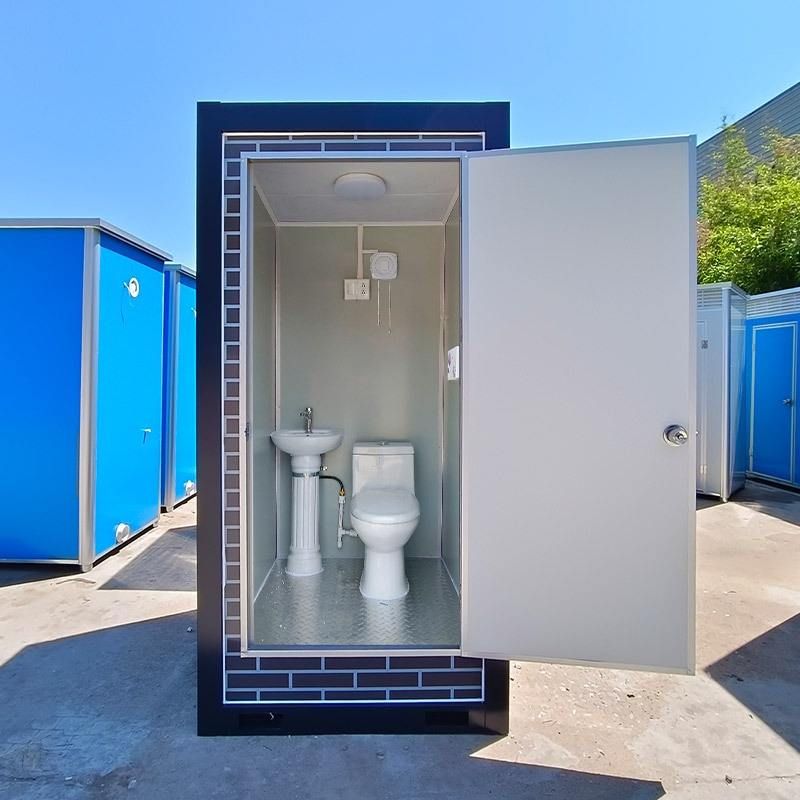
I. Core Functions and Technical Principles
Flush-type Treatment System
This toilet is equipped with an independent treatment unit that does not require connection to external sewer networks. It uses a solid-liquid separation device to initially separate solids and liquids in the excreta. Solids are collected in a suctionable storage tank, while liquids enter a biological or chemical treatment module for degradation. The treated liquid can be safely discharged or recycled for flushing. Some designs also incorporate rainwater harvesting or reclaimed water reuse systems, purifying water sources through processes such as sedimentation and filtration. Combined with pressure-controlled or quantitative water-saving flushing mechanisms, these systems significantly reduce water consumption.Ecological Treatment Technology
The core of ecological toilets lies in converting excreta into recyclable resources. In arid regions like the Lanzhou New Area, waterless or micro-flush toilet technologies are commonly used, such as foam-sealing (using foam to cover excreta and reduce odors) or microbial degradation (using specific bacterial strains to decompose organic matter into harmless substances). These technologies greatly reduce water usage while preventing pollution of external water bodies and soil.
II. System Integration and Operational Maintenance
Modular Design
The ecological treatment unit is compactly integrated into a mobile container, ensuring treatment efficiency is unaffected by frequent relocation. The container structure uses lightweight materials for easy transportation and installation, while its external design can be matched to the surrounding environment (such as the architectural style of scenic spots or natural colors) to reduce visual intrusion.Continuous Operational Requirements
The system relies on regular maintenance to ensure stability, including replenishing microbial agents to maintain decomposition efficiency, cleaning solid-liquid separation components to prevent clogging, and safely disposing of output materials (such as solid residues requiring harmless treatment before discharge). Maintenance cycles are typically adjusted based on usage frequency and environmental conditions.
III. Application Scenarios and Advantages
Suitable Environments
Primarily deployed in scenic spots, villas, temporary event venues, and other areas requiring flexible sanitation facilities, especially in regions with water scarcity or insufficient sewer coverage (such as the Lanzhou New Area). Its mobility allows for rapid response to changes in foot traffic, while its ecological nature aligns with sustainable development requirements.Environmental and Economic Benefits
By recycling resources, it reduces sewage discharge and alleviates pressure on municipal treatment systems. Its water-saving design cuts operational costs, offering significant long-term economic benefits. Additionally, its harmless treatment technology avoids potential pollution risks to soil and water bodies posed by traditional toilets.



