
Container Houses on Land
Whether placing container houses on land is legal requires a comprehensive assessment based on the nature and intended use of the land, as well as local policies. Generally, approval procedures are necessary, but exemptions may apply in certain cases.
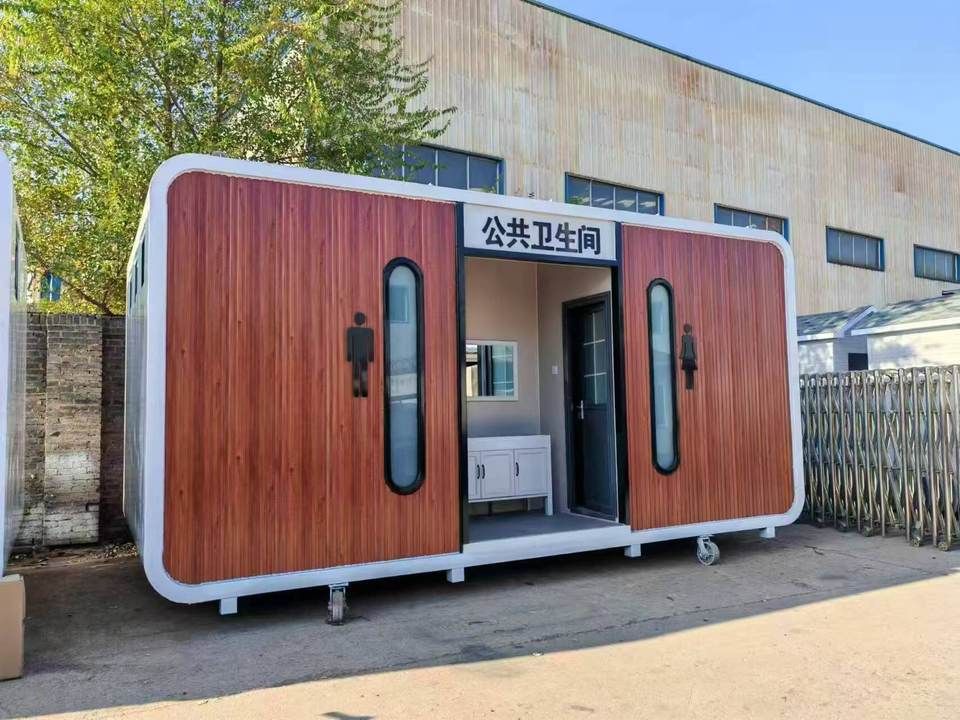
I. Core Basis for Legality Determination
The legality of container houses primarily depends on the nature and intended use of the land. If the land is designated for construction and has been approved for building structures, placing container houses generally does not constitute illegal construction. For example, placing containers on leased construction land, where the land user has the legal right to build, does not require additional approval. However, if the land is non-construction land, such as agricultural land or ecological protection zones, or involves changing the land use (e.g., using farmland for residential or commercial purposes), there may be a risk of illegality.
II. Cases Requiring Approval Procedures
- Temporary Building Approval: If container houses are used as temporary structures, they must be registered and approved by the local planning bureau or urban management bureau, typically for a period of two years, which can be renewed upon expiration. For example, container reception desks or cafes in cultural tourism projects must specify their intended use and duration.
- Government-Encouraged Industries: If container houses are used in government-encouraged industries such as creative parks or cultural tourism homestays, some local governments (e.g., Shanghai) may issue approvals to support green modular applications and streamline the approval process.
- Permanent Use: If container houses are fixed by hardening the ground, constructing permanent foundations, or used for long-term residence or business operations, they may be deemed to have substantially altered the land use and require a planning permit in accordance with traditional building standards.
III. Cases Exempt from Approval
- Temporary Storage of Agricultural Supplies: Placing container houses on farmland or orchards for the temporary storage of tools and agricultural supplies, without damaging the plow layer, connecting to water or electricity, or constructing traditional foundations, is generally not considered illegal construction.
- Private Land Use Rights: If the land use rights belong to an individual and are within the red line boundary, and the container house does not cause disturbances or pollution, some regions may exempt it from approval requirements.
IV. Key Considerations
- Avoid Hardening the Ground: Hardening the ground or constructing permanent foundations where container houses are located may be deemed illegal construction.
- Usage Restrictions: Container houses should not be used for long-term residence or business operations; otherwise, they may be demolished for "substantially altering the land use."
- Regional Policy Differences: Different regions have varying standards for determining the legality of container houses. It is advisable to consult local planning and urban management departments in advance.



