
Laiyang Mobile Toilet
Here is the information about mobile toilets in Laiyang (Yantai region):
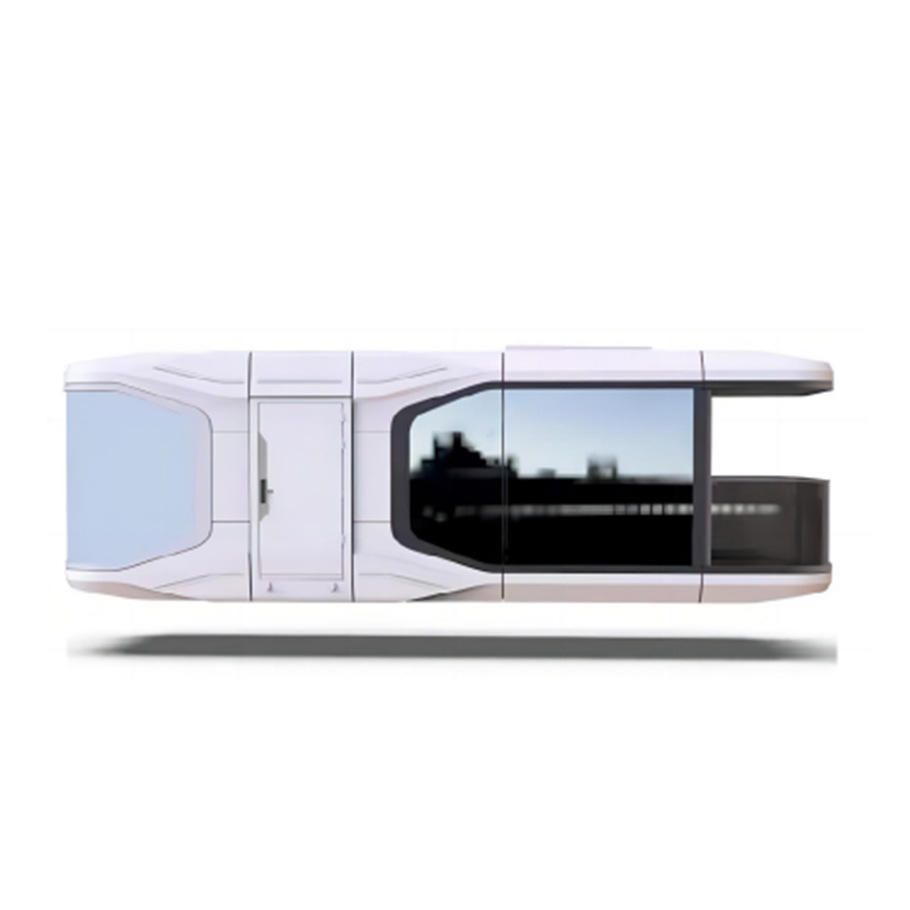
Mobile toilets in the Yantai region, where Laiyang is located, primarily meet the temporary usage needs of outdoor public events, construction sites, and natural disaster response scenarios. Their design centers around independent units, integrating water storage devices, waste collection systems, and ventilation facilities. The structures are made of lightweight materials (such as aluminum alloy and fiberglass-reinforced plastic), facilitating rapid relocation and installation. Some models are equipped with wheeled chassis, simplifying short-distance position adjustments and adapting to the temporary and flexible usage characteristics.
Types and Functional Features
Common types of mobile toilets include flushing and non-flushing models. Flushing toilets are typically connected to small water tanks, using recycled water or one-time water supply for flushing, suitable for scenarios with high foot traffic and stringent hygiene requirements. Non-flushing toilets rely on biodegradable materials to wrap feces or chemical treatments (such as adding deodorants and coagulants) to control odors, requiring no external water source, and are more suitable for water-scarce or environmentally stringent regions. Additionally, coastal areas need to particularly consider the corrosion resistance of the toilet body materials (such as using stainless steel or anti-corrosion coatings), while the internal space should meet barrier-free access standards (such as door width ≥ 80 cm and internal clear height ≥ 2 m) to accommodate special populations.
Service Process and Agreement
The service provider will determine the equipment model and quantity based on the estimated foot traffic, duration, and environmental conditions of the usage scenario (such as ground flatness and water and electricity access conditions). Subsequently, transportation, installation, and commissioning will be completed to ensure the normal operation of the water supply and drainage systems (such as flushing toilet tank pressure and non-flushing toilet waste sealing) and waste treatment functions. During usage, the service provider will conduct cleaning, waste removal, and replenishment of consumables (such as toilet paper and hand sanitizer) according to a predetermined schedule (such as daily or every 2-3 days). The rental agreement should specify the service period, equipment specifications, installation location, maintenance frequency, and cost composition, which typically includes equipment usage fees, transportation fees, installation fees, and periodic maintenance service fees. After the agreement terminates, the service provider is responsible for equipment dismantling, removal, and site restoration.
Adaptability to Application Scenarios
In outdoor public events (such as music festivals and sports events), mobile toilets can be quickly deployed in crowded areas to alleviate the pressure on fixed public toilets. At construction sites, due to high personnel mobility and uncertain project durations, the flexible relocation characteristics of mobile toilets can match the construction progress. During natural disaster response, their independent water supply and waste treatment capabilities can ensure basic hygiene conditions in affected areas and reduce the risk of disease transmission.



