
Konoll Mobile Toilet
Currently, there is no publicly available authoritative information on the 'Konoll mobile toilet'. The following provides a popular science introduction to the common types, technical features, and application scenarios of mobile toilets to help understand relevant knowledge in this field.
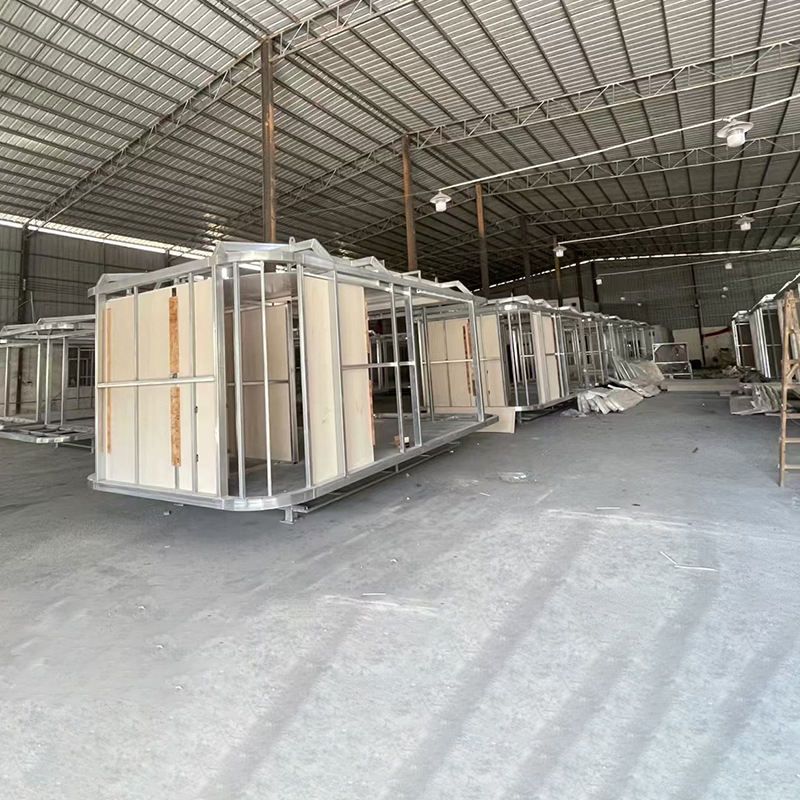
A mobile toilet is a public sanitation facility that can be moved and flexibly arranged, typically used in temporary events, outdoor venues, or areas lacking fixed toilets. Its core advantage lies in not requiring connection to a sewer system, achieving a balance between environmental protection and convenience through independent treatment or collection of waste. Based on technical principles, mobile toilets are mainly divided into the following categories:
Packing-type mobile toilets
These use biodegradable film to seal and pack waste, automatically replacing the packaging bag after each use to prevent odor diffusion. These toilets do not require water flushing and are suitable for water-scarce or environmentally demanding scenarios, such as desert music festivals or mountain hiking trails. They have a simple structure and low maintenance costs but require regular cleaning of the packing bags.Microbial degradation mobile toilets
These decompose waste into harmless substances (such as carbon dioxide and water) by adding specific microbial communities. This technology relies on microbial activity and requires control of environmental conditions such as temperature and humidity. It is commonly found in eco-tourism areas or long-term outdoor work sites. Its advantage is reducing solid waste production, but the initial investment cost is relatively high.Foam-sealing mobile toilets
These use foaming agents to generate foam that covers the surface of waste, forming a sealed layer to block odors. The foam also reduces the amount of flushing water (only 0.2-0.5 liters per flush), making it suitable for areas with water scarcity. These toilets require regular replenishment of foaming liquid, and foam stability is greatly affected by temperature.Recirculating water-flushing mobile toilets
These are equipped with a small-scale sewage treatment system that filters and purifies flushing water for reuse. They have a complex structure but offer a user experience close to that of traditional toilets, commonly found in urban temporary construction sites or large event venues. Regular maintenance of the filtration equipment is required to prevent clogging or odors.
The selection of mobile toilets requires comprehensive consideration of factors such as usage scenarios, foot traffic, and environmental requirements. For example, short-term events may opt for packing-type or foam-sealing types, while long-term projects are more suitable for microbial degradation or recirculating water-flushing types. In the future, with the development of materials science and biotechnology, mobile toilets may evolve towards being lighter, more intelligent, such as integrating solar power supply and real-time usage status monitoring functions.



