
Kashi Outdoor Mobile Toilet Design
The design of outdoor mobile toilets in Kashi integrates practicality and user experience, optimizing multiple dimensions such as facilities, management, site selection, principles, and technological adaptation to meet public needs and reflect humanistic care.
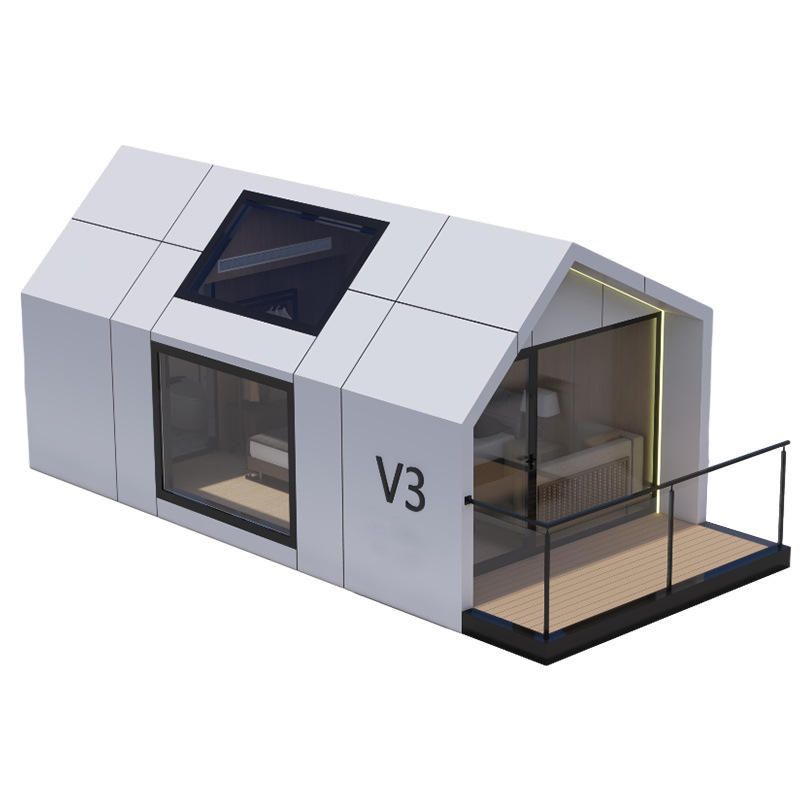
Facility Configuration Emphasizes Humanization and Functionality: Kashi's outdoor mobile toilets are equipped with basic facilities such as toilets, barrier-free facilities for the disabled (e.g., handrails, ramps), sensor-based toilet occupancy indicator lights, and hand dryers. Additionally, special functional modules like foldable child safety seats and baby changing stations are added to cater to diverse user groups. For example, baby changing stations provide convenience for families with children, while sensor-based indicator lights use light changes to signal toilet occupancy, avoiding awkward situations. These design details demonstrate a deep focus on user experience.
Intelligent Management Enhances Service Efficiency: A smart management system is installed inside the toilets, displaying real-time data on toilet usage, air quality (e.g., ammonia and hydrogen sulfide concentrations), and citizen satisfaction via electronic screens. Managers can dynamically adjust cleaning frequency, ventilation strategies, and even optimize toilet distribution based on this data. For instance, if a particular area experiences a sudden surge in foot traffic, the system can automatically send alerts to guide rapid resource allocation, ensuring timely service response.
Site Selection Focuses on High-Demand Scenarios: Toilets are primarily located in high-traffic areas such as urban scenic spots, commercial districts, and around train stations, serving as “smart convenience stations” that provide comprehensive services. For example, toilets in scenic spots may include rest areas and charging ports, while those in commercial districts collaborate with surrounding businesses to form a service network. This site selection strategy not only meets immediate needs but also enhances the value of public spaces through extended functionality.
Design Principles Balance Multiple Objectives: The design adheres to five key principles: mobility, cost-effectiveness, environmental sustainability, efficiency enhancement, and humanitarian promotion. The structure uses lightweight yet durable materials (e.g., high-strength aluminum alloy) to ensure disassembly and mobility while maintaining robustness to withstand Kashi's windy and sandy climate. For example, modular design allows for rapid assembly and relocation, reducing long-term maintenance costs.
Technological Adaptation Meets Diverse Scenarios: Depending on site conditions, technologies such as water-flush, pack-free, microbial degradation, or foam-sealing are flexibly selected. In areas without sewer networks (e.g., remote scenic spots), microbial degradation technology is prioritized, using bacterial colonies to decompose waste and achieve zero emissions. In urban centers, water-flush systems may be used in combination with reclaimed water systems to reduce water consumption. Technological adaptability ensures a balance between environmental goals and practical needs.



