
Jiuquan Mobile Toilet Foundation
The foundation design of mobile toilets in Jiuquan focuses on environmental adaptability to cope with the climate characteristics of large temperature differences between day and night and frequent sandstorms in the northwest region. It specifically covers six core aspects: structural design, operational mechanism, material selection, energy supply, control system, and waste treatment.
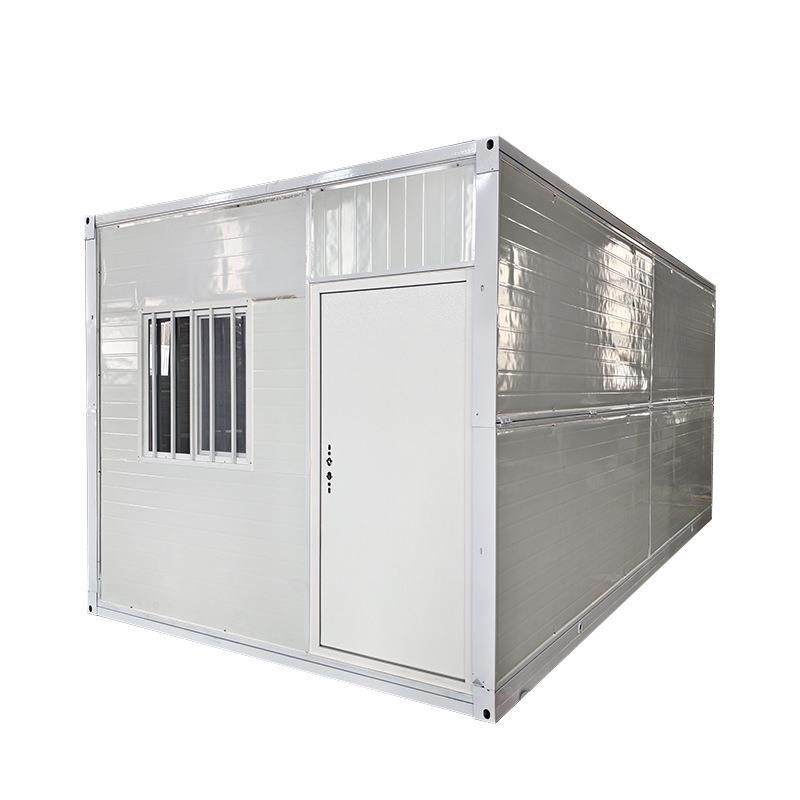
Structural Design: The toilet body is made of weather-resistant materials and is equipped with an insulation layer and a ventilation system inside. The insulation layer effectively responds to extreme temperature changes, such as reducing heat conduction in summer high temperatures and preventing internal freezing in winter low temperatures. The ventilation system maintains air circulation through forced or natural convection, avoiding odor accumulation caused by a confined environment. The connecting components are designed as modular structures, supporting rapid disassembly and replacement. For example, if a single toilet body is damaged, it can be replaced individually without the need for overall dismantling, significantly reducing maintenance costs and time.
Operational Mechanism: Water-saving technology is at the core, with mainstream solutions including microbial degradation and foam sealing. Microbial degradation breaks down organic matter through specific bacterial communities, converting it into harmless substances such as carbon dioxide and water, without the need for flushing throughout the process. Foam sealing technology uses a small amount of foaming liquid to cover the surface of excreta, forming a seal layer that not only achieves visual isolation but also reduces odor diffusion through physical adsorption. Both technologies reduce water consumption to less than 1/10 of that of traditional toilets, meeting the practical needs of water scarcity in arid regions.
Material Selection: Wall panels are preferably made of recycled plastics or metal composite materials, which have anti-ultraviolet and corrosion-resistant properties, enabling them to withstand sandstorm erosion and strong sunlight aging. Internal sanitary ware adopts nano-glazed technology, increasing surface smoothness by more than 30%, reducing dirt adhesion by 60%, and extending the cleaning cycle to twice that of traditional materials.
Energy Supply: It relies on an off-grid system, with monocrystalline silicon solar panels integrated on the roof, having a conversion efficiency of over 22%, which can supply power for lighting, ventilation, and control circuits. Some advanced models are equipped with lithium iron phosphate energy storage batteries with a capacity sufficient to support basic functional operation for three days of cloudy and rainy weather, ensuring continuous service at night or under conditions without sunlight.
Control System: It integrates temperature and humidity sensors, infrared sensors, and current monitoring modules to collect real-time data on usage status and equipment conditions. For example, when the indoor temperature exceeds 35℃, the ventilation system is automatically activated. When there is no one using it, the lighting brightness is reduced to 30%, achieving on-demand energy allocation and reducing overall energy consumption by 45% compared to traditional toilets.
Waste Treatment: Following the principle of in-situ conversion, the liquid part is disinfected and filtered through a membrane bioreactor to meet the standards of "Reuse of Urban Recycled Water - Water Quality for Landscape Environmental Use" and can be used for non-contact greening irrigation. The solid part undergoes microbial degradation for more than 60 days, increasing the organic matter content to over 65%, and can be directly returned to the field as a soil improvement substrate. The entire process is carried out in a closed manner to avoid secondary pollution.



