
Jinfeng Mobile Toilet
The Jinfeng mobile toilet has previously faced controversy due to its high fees and time restrictions. Details are as follows:
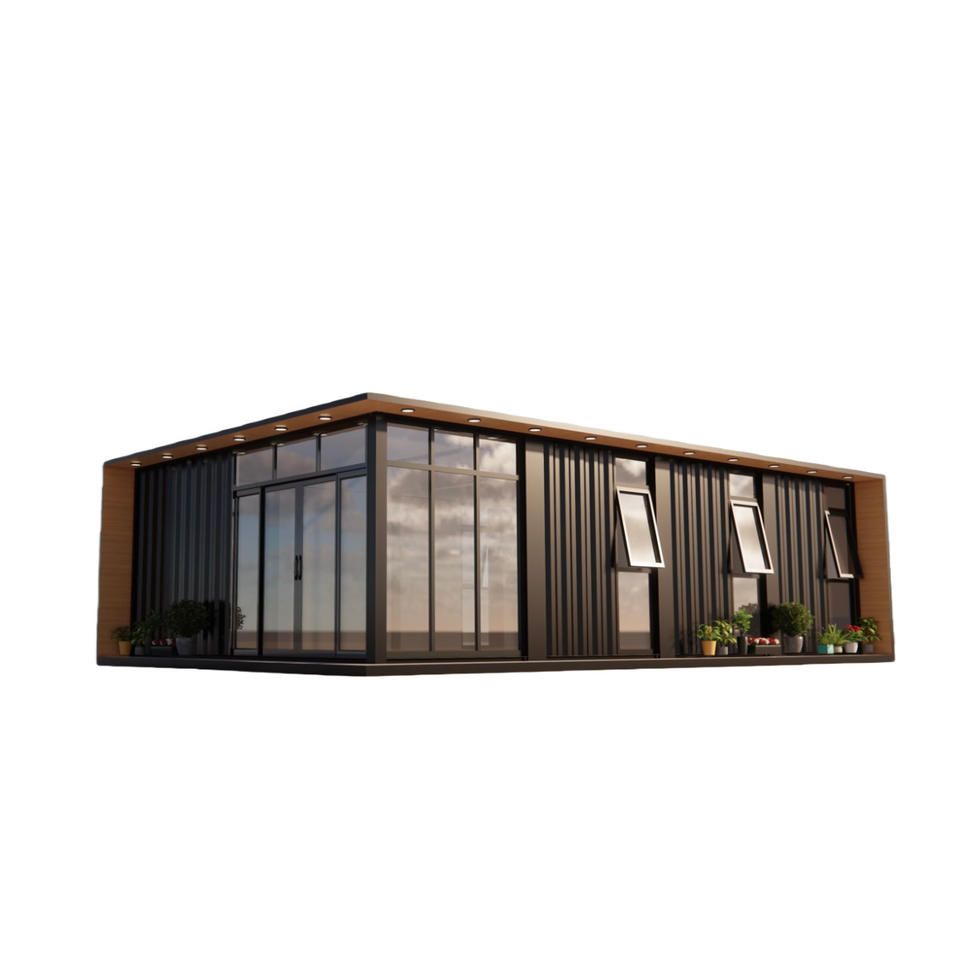
Fee Structure and Payment Method
On August 31, a netizen posted a video stating that when using a mobile public toilet in Jinfeng, Fujian, one had to scan a QR code and pay 10 yuan to enter. After entering the toilet, the door automatically locked after 5 seconds, and a page popped up on the phone with two options: 'Open' and 'End Order'. Clicking 'Open' started the countdown. This payment method created a significant sense of pressure for users, as they were charged from the moment they entered the toilet, leading to concerns about running out of time and rushing through the process.
Controversy Over Time-Based Charges
In addition to the QR code payment method that started the countdown immediately upon entry, there were reports that the mobile toilet charged 10 yuan for 6 minutes. Based on this rate, if a user spent more than 6 minutes in the toilet, they would have to pay additional fees. Some even reported spending 20 yuan for a simple urination, indicating that in practice, due to time restrictions, users might end up paying high fees for various reasons, such as health issues or searching for items, which could prolong their time in the toilet.
Issues Raised
This charging model raised several issues. On one hand, for users, the high fees increased their financial burden, especially for those with limited economic means, who might choose to hold it in or look for other free toilet facilities rather than pay the high fees. On the other hand, this payment method also affected the user experience, as the countdown pressure made users feel nervous and uncomfortable, preventing them from using the toilet in peace. Furthermore, this charging model sparked public质疑 (questioning) over the reasonableness of fees for public facilities. As a public facility, mobile toilets should adhere to principles of fairness, reasonableness, and transparency in their fees, and this high time-based charging method clearly did not meet these criteria.



