
Jiaxing Large Mobile Toilet
Jiaxing large mobile toilets are modular sanitation facilities that can be used independently. They are transported to designated locations by specialized vehicles for installation, and their internal structures vary depending on the usage scenario. Leasing decisions require a comprehensive assessment of parameters such as event scale.
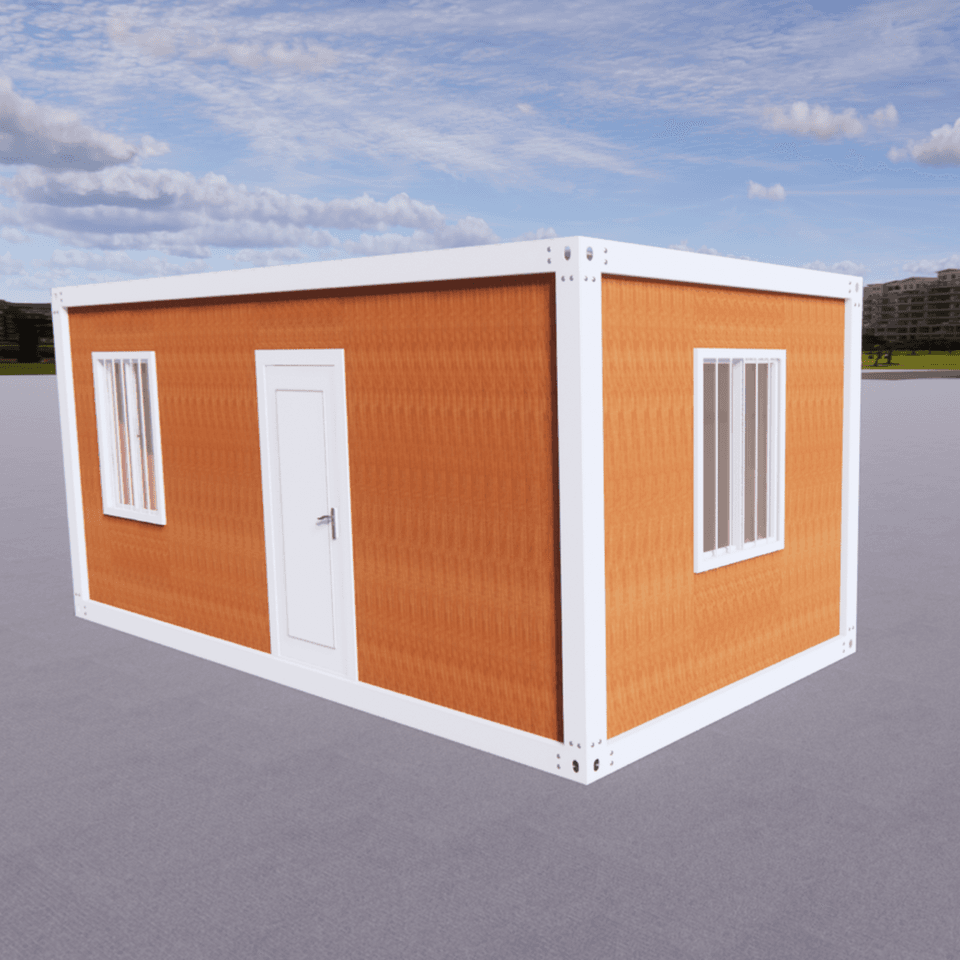
I. Basic Structure and Functional Characteristics
The core of Jiaxing large mobile toilets is modular design. Each unit can operate independently and is quickly assembled on-site after being transported by specialized vehicles. Their internal structures are divided into basic and complex types based on usage needs: the basic type only includes a toilet and simple partitions, suitable for short-term, low-frequency usage scenarios; the complex type integrates a sink, lighting system, ventilation equipment, and a sewage treatment module, forming a miniature independent sanitation treatment system. For example, some high-end models are equipped with biodegradation technology that can convert waste into harmless substances, reducing sewage discharge; barrier-free design units meet the needs of special populations by adjusting internal space height and adding handrails and other facilities.
II. Key Factors Affecting Operation
- Event Duration: For short-term events (such as a single-day exhibition), basic units can be chosen to reduce leasing costs; for multi-day events (such as music festivals), large sewage storage tanks or connection to temporary sewage discharge pipes are required to reduce the frequency of waste removal and avoid affecting usage due to sewage overflow.
- Estimated Number of Participants: The scale of the event directly determines the number and type ratio of units. For example, for an event with tens of thousands of participants, toilet units should be configured at a ratio of 1:50-1:100, and the proportion of female-specific units should be increased (usually more than 60%) to alleviate queuing pressure.
- On-site Resource Conditions: Water and electricity supply are core limiting factors. Venues without water and electricity access need to choose self-contained units with built-in water tanks and generators; venues with water and electricity conditions can simplify equipment configuration and reduce leasing costs.
- Environmental Protection Requirements: In ecologically sensitive areas (such as wetlands and water sources), zero-discharge units should be chosen to treat waste through biodegradation or vacuum adsorption technology to avoid environmental pollution.
III. Core Parameters for Leasing Decisions
Event scale is the primary evaluation indicator, and demand needs to be determined through a three-dimensional model of "number of people - duration - resources":
- Number of People: Estimate the usage frequency during peak hours based on the number of participants. For example, an event with 5,000 people requires at least 50 toilet stalls.
- Duration: For single-day events, sewage treatment configuration can be simplified; for multi-day events, sewage storage or discharge capacity needs to be strengthened.
- Resources: On-site water and electricity conditions determine equipment selection. Venues without resources need to choose fully functional self-contained units.
In addition, auxiliary parameters such as budget, venue layout (such as the width of aisles needing to accommodate the passage of transport vehicles), and subsequent maintenance services (such as regular waste removal and equipment maintenance) also need to be considered.



