
Jiangsu Prefabricated Houses
Information about Jiangsu prefabricated houses is as follows:
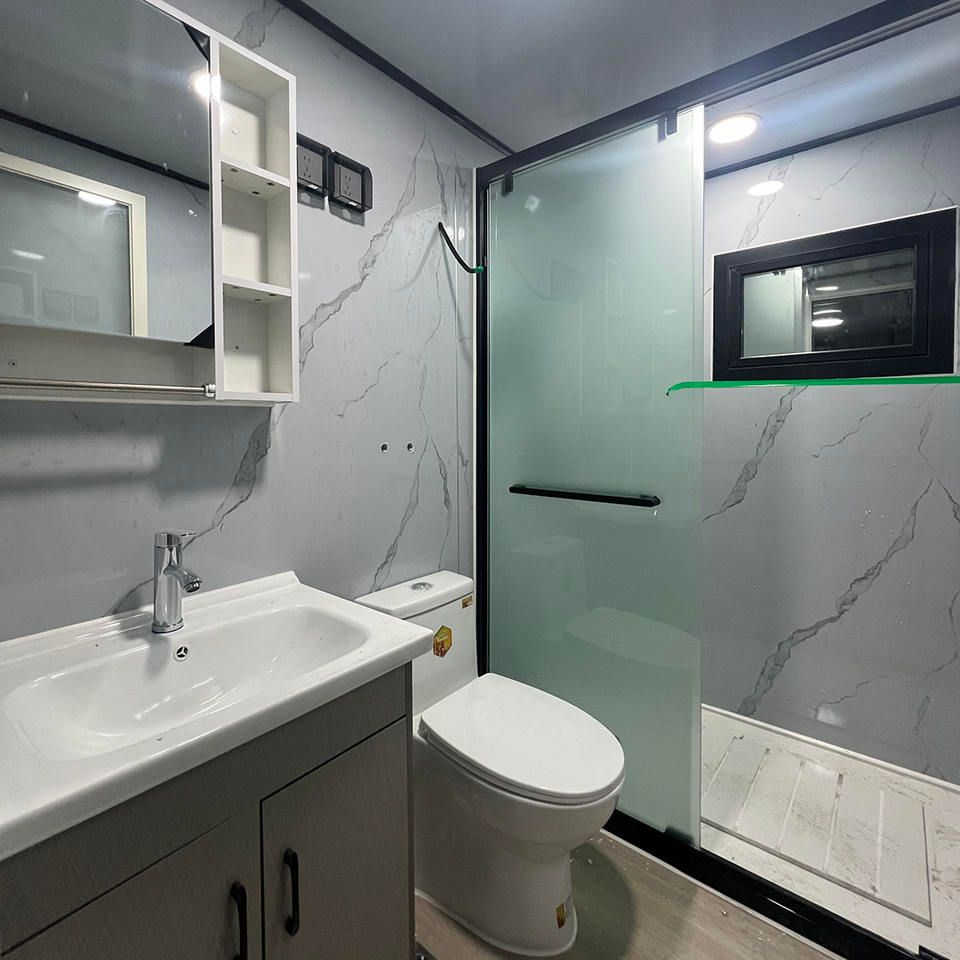
I. Prices and Suppliers The market for prefabricated houses in Jiangsu features a variety of brands, with prices varying based on brand, product type, and region. In the Xuzhou area, the price of Xiangfeng brand prefabricated cement movable panel houses is 500 yuan per square meter or 500 yuan per set, while the prices of Xinda and Zhuode brand cement panel houses are both 368 yuan per square meter. In the Suzhou and Yangzhou areas, the price of Dingshun brand new assembled prefabricated houses is relatively low, at 300 yuan per square meter. Price differences are mainly influenced by material costs, production processes, and transportation distances, allowing consumers to choose suppliers based on their budget and needs.
II. Development of Prefabricated Construction Jiangsu Province is a key area for the development of prefabricated construction. By the end of 2023, the cumulative area of newly started prefabricated construction projects in the province had reached approximately 250 million square meters, with the proportion increasing from 3% in 2015 to 41%, indicating a trend of large-scale application. In terms of policy support, the province has established 5 national-level demonstration cities and 27 industrial bases for prefabricated construction, accounting for 10% of the national total; there are also 21 provincial-level demonstration cities and 252 demonstration bases, covering the entire industrial chain of design, production, and construction. The technical standard system is gradually being improved, promoting the standardization and generalization of prefabricated components and ensuring the quality of prefabricated houses.
III. Typical Products and Technical Characteristics Companies such as Jiangsu Ge Gou Prefabricated Housing Component Co., Ltd. offer a diverse range of prefabricated components:
- Gypsum Wall Panels: These panels feature light weight, high strength, and fire and heat insulation as their core advantages, making them suitable for non-load-bearing partition walls. They can reduce the self-weight of buildings and enhance safety.
- Composite Floor Slabs: Composed of a prefabricated base plate and a cast-in-place layer, these slabs have good integrity and strong crack resistance, and are widely used in high-rise building floor systems.
- Prefabricated Stair Panels: Produced in a standardized factory setting, these panels offer high installation efficiency, reduce on-site wet work, and have significantly better safety than traditional cast-in-place stairs.
- Prefabricated Shear Wall Panels: Suitable for high-rise shear wall structural systems, these panels are produced using high-precision molds to ensure structural strength and seismic performance.
IV. Problems and Renovation of Old Prefabricated Panel Houses Some early prefabricated houses have quality hazards. For example, the Anding Community in Mocheng Subdistrict, Changshu City (built in 1993) uses brick and soil prefabricated panels and has experienced problems such as rain leakage, tile shedding, and wire aging. Such houses require regular inspection and maintenance, with the responsibility falling on the property owners. Renovation suggestions include:
- Replacing aging wires to improve electrical safety;
- Adding thermal insulation layers to improve thermal performance;
- Reinforcing structurally damaged areas;
- Applying for renovation funds for old residential communities in conjunction with policy support.
Jiangsu Province is promoting the development of prefabricated houses towards high quality and standardization through policy guidance, technological upgrades, and industrial collaboration, while also focusing on the safety maintenance of existing houses to form a full life-cycle management system.



