
Jiangsu Mobile Toilet Construction
Jiangsu mobile toilet construction, centered on eco-friendly technologies, combines convenience and innovation, becoming a significant development direction in the public facilities sector. Its core features, application scenarios, technical specifications, and market trends are as follows:
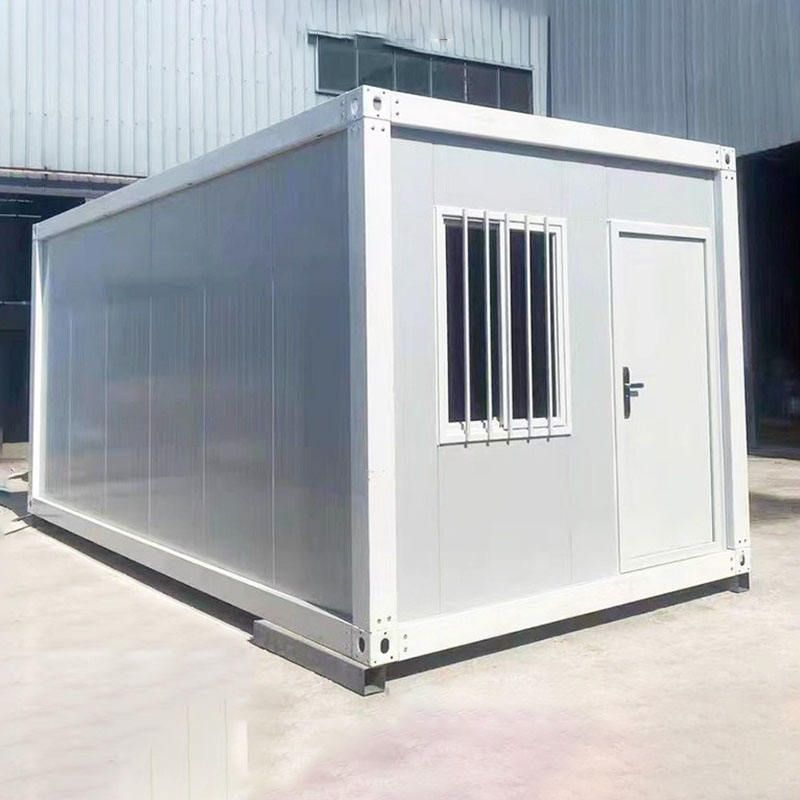
1. Eco-friendly technologies drive resource recycling
Jiangsu mobile toilets employ advanced technologies such as biodegradation and waterless flushing to reduce pollution at the source. For example, waterless flushing toilets decompose waste through microorganisms, achieving zero water discharge; water-flushing toilets are equipped with vacuum sewage systems, reducing water consumption per flush by over 70% compared to traditional toilets. Some high-end products integrate solar power systems with LED lighting and intelligent ventilation devices to further reduce energy consumption. In material selection, recyclable fiberglass or high-strength steel is prioritized to ensure environmental sustainability throughout the facility's lifecycle.
2. Scenario-based design meets diverse needs
Jiangsu mobile toilets offer differentiated solutions tailored to various scenarios:
- Construction sites: Utilizing integrated modular designs, these toilets feature wind resistance ratings of ≥6, equipped with squat toilets, sinks, and deodorization systems. Some models include safety warning signs and non-slip flooring to adapt to high-intensity usage environments.
- Scenic spots and event venues: Primarily single or modular units, their exteriors incorporate regional cultural elements, while interiors use IoT technology for crowd monitoring and automatic cleaning reminders, enhancing user experience.
- Disaster relief: Rapidly deployable toilets can be installed within 4 hours, equipped with emergency power supplies and independent sewage tanks to meet sanitation needs under extreme conditions.
3. Technical standards and regulations ensure quality
Jiangsu's housing and urban-rural development department mandates daily cleaning and regular disinfection of mobile toilets at construction sites, with pilot smart management systems. Key considerations for procurement include:
- Environmental certification: Compliance with GB/T 26757 standards to ensure microbial degradation efficiency or water recycling rates meet requirements;
- Sewage discharge capacity: Water-flushing toilets should prioritize vacuum sewage or foam sealing technologies to prevent secondary pollution;
- After-sales service: Suppliers must provide 24-hour maintenance response and regular inspection services to reduce operational costs.
4. Industrial chain collaboration drives market expansion
Companies like Hefei Lihong Decorative Materials Co., Ltd. offer customized services, supporting the development of non-standard features such as intelligent flushing and ventilation systems. Lianjia Jisheng (Suzhou) Environmental Technology Co., Ltd. integrates design, production, and operation and maintenance through an "Internet+" model, with a notable case being the smart management system at Lihe Road public toilets. According to statistics, the demand for mobile toilets in domestic construction sites will exceed 35% by 2025, with the market size surpassing 8 billion yuan, making water-saving and energy-efficient products the mainstream trend.



