
Volver al blog
Artículo
Jiangsu Mobile Smart Toilet Solution
Admin 07 de octubre de 2026
The Jiangsu Mobile Smart Toilet Solution is an intelligent solution that addresses the pain points of traditional public toilet management by constructing a 'perception-analysis-execution' data closed-loop system, achieving resource optimization and efficient management. Its core logic and functions are as follows:
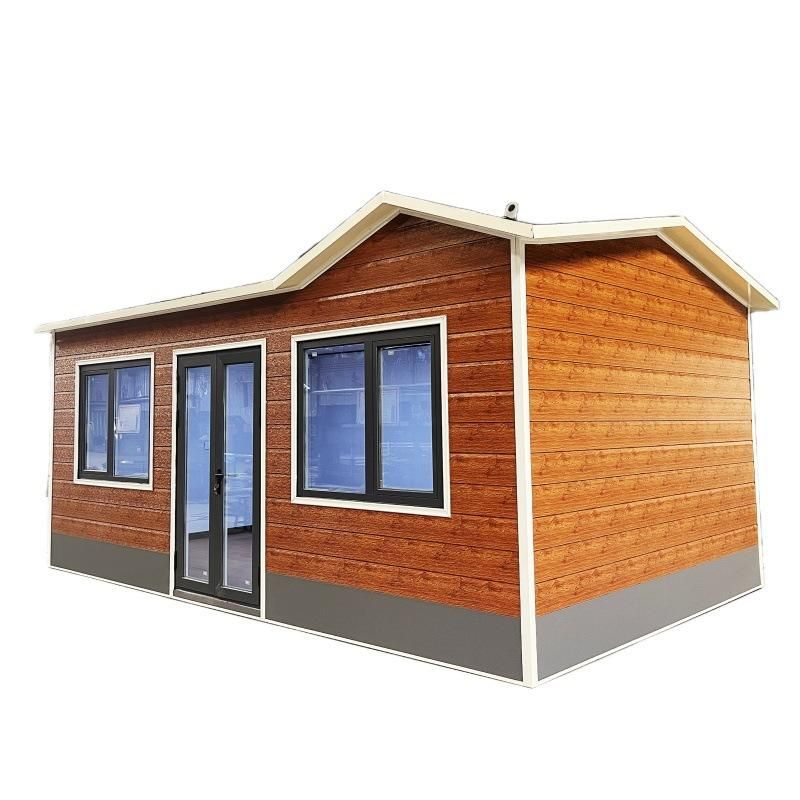
I. Functional Layer Design
Perception Layer: Achieves multi-dimensional data collection through a distributed sensor network.
- Toilet Stall Occupancy Monitoring: Uses infrared or laser sensors to determine the usage status and duration of stalls in real-time, replacing manual inspections.
- Consumable Inventory Monitoring: Installs weight or photoelectric sensors in paper towel dispensers and soap dispensers to accurately monitor the remaining percentage of paper towels and the inventory of hand soap, preventing material shortages.
- Environmental Status Monitoring: Deploys ground moisture sensors to detect water stains and combines ammonia and hydrogen sulfide sensors to assess odor levels, quantifying the urgency of cleaning.
- Foot Traffic Statistics: Utilizes visual sensors (anonymized) or infrared counters to count the number of people entering and exiting in real-time, providing a basis for resource allocation.
Network Layer: Adopts a converged communication strategy to ensure reliable data transmission.
- Narrowband IoT Technology: Suitable for low-data-volume monitoring points such as water and electricity consumption, with strong penetration and low power consumption, enabling battery life of several years.
- High-Speed Wireless Networks: Supports real-time video stream analysis for points monitoring foot traffic or safety conditions, reusing existing network resources to reduce costs.
Execution Layer: Triggers automated interventions based on data analysis results.
- Precise Task Allocation: When the remaining amount of paper towels is below a threshold and foot traffic is moderate, the system automatically sends replenishment instructions to cleaning staff terminals and marks the priority.
- Environmental Adjustment: Automatically activates ventilation or deodorization devices based on air quality parameters to maintain a comfortable environment.
- Foot Traffic Guidance: Dynamically displays available toilet stalls through displays or mobile terminals to achieve diversion and avoid congestion.
- Predictive Maintenance: Correlates usage frequency with air quality deterioration trends to predict the optimal time for cleaning and maintenance, reducing reliance on fixed inspections.
II. Solution Value
- Management Paradigm Reconstruction: Shifts from periodic inspections to data-driven predictive maintenance, transforming personnel roles into system monitoring and exception handling, enhancing human resource efficiency.
- Service Model Upgrade: Enables facilities to have self-description and adjustment capabilities through continuous data feedback, constructing flexible and responsive public service nodes.
- Replicability: Provides a refined operational paradigm applicable to tourist attractions, urban construction, large shopping malls, and other fields. Several enterprises have already provided customized solutions and promoted their application.
Relacionados



