
Jianghan Prefabricated Panel Houses
Whether Jianghan prefabricated panel houses should be demolished depends on the housing safety grade assessment report, not on whether they are of prefabricated panel structure.
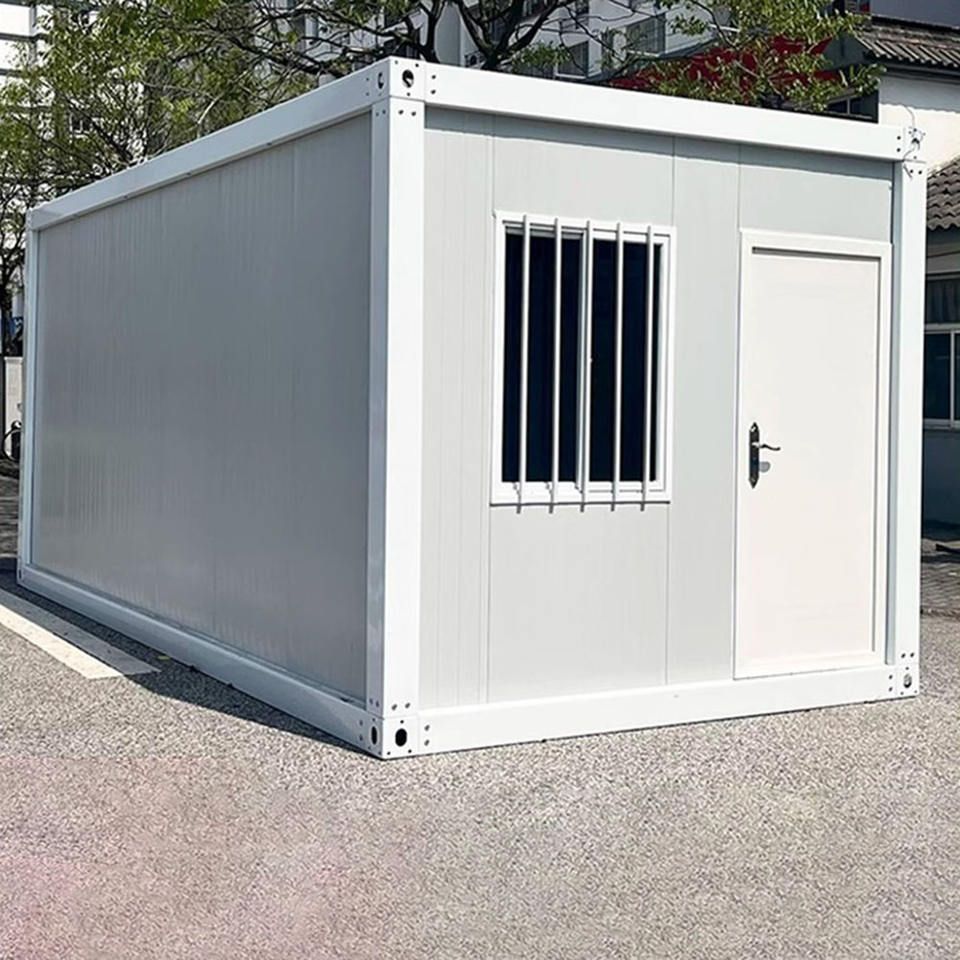
Common Issues with Prefabricated Panel Houses
Some prefabricated panel houses in Jianghan District, such as the furniture factory dormitory at No. 20 Tangcai Road, have significant safety hazards and living environment problems. Safety hazards include aging building structures, reduced load-bearing capacity of floor slabs, wall cracks, and building leaning; outdated electrical wiring, which is prone to tripping during peak summer electricity usage and may even cause small fires; lack of modern fire safety facilities, narrow and dim corridors that hinder rescue and evacuation; and absence of natural gas, forcing residents to use bottled liquefied petroleum gas, which poses safety risks and is inconvenient. In terms of the living environment, most residents lack independent kitchens and bathrooms and have to share public facilities; damaged roof waterproofing layers cause leaks on the top floor, while rusted and blocked sewer pipes lead to water backup, dampness, and insect infestation on lower floors; the community lacks property management, resulting in prominent issues such as environmental sanitation, security, and public facility maintenance, with garbage accumulation and indiscriminate vehicle parking being serious problems.
Housing Safety Grade Assessment Criteria
According to the "Standard for Dangerous Housing Appraisal" (JGJ125 - 2016), housing safety grades are divided into four levels:
- Grade A: No dangerous components, and the structure meets safety requirements for use.
- Grade B: Some structural components have problems, but they do not affect the safety of the main structure, and the building basically meets safety requirements for use.
- Grade C: Some load-bearing structures do not meet safety requirements for use, and the building is partially dangerous, constituting a partially dilapidated house. For Grade C dilapidated houses, reinforcement or support for self-initiated renewal or original demolition and reconstruction can be provided.
- Grade D: The load-bearing structure does not meet safety requirements for use, and the building is entirely dangerous, constituting a whole dilapidated house. Grade D dilapidated houses should be demolished first to eliminate hazards.
Basis for Renovation and Demolition
Grade A and B houses mainly undergo comprehensive renovation of old residential areas, including facade, pipeline network, and road renovation, and generally do not involve demolition and expropriation. Private assessment reports are not considered official evidence. Community and street authorities should uniformly apply to the housing and construction department for professional inspections. The official report serves as the basis for subsequent renovation and compensation negotiations. For example, if a prefabricated panel house is assessed as Grade D, it should be demolished first; if it is Grade C, reinforcement or original demolition and reconstruction can be chosen; if it is Grade A or B, comprehensive renovation is the main approach.



