
Isolation Container House Handling
If isolation container houses are constructed or renovated without approval, they are considered illegal buildings and must be demolished or rectified in accordance with the law. Temporary isolation container houses that have been approved and meet safety standards can be reused for resource utilization after completing their missions.
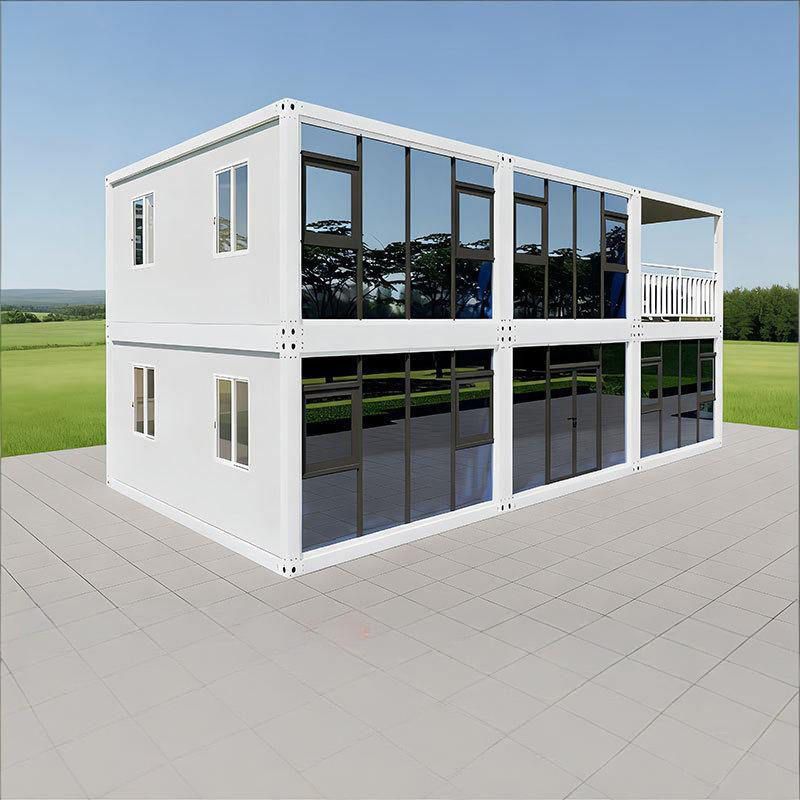
Unauthorized Isolation Container Houses Are Illegal Constructions
Container houses have become an important type of illegal construction due to their ease of construction, low cost, and reusability. If containers are used for residential, office, or commercial purposes without obtaining temporary construction permits, they will be identified as illegal buildings despite their architectural advantages, as they violate urban and rural planning laws and regulations. For example, the Licang District Comprehensive Administrative Law Enforcement Bureau discovered three unauthorized container-style sheds during inspections, which were used for storing miscellaneous items and posed safety hazards. The bureau ultimately required the users of these illegal structures to vacate them within a specified time. The Shimen'erlu Street Comprehensive Administrative Law Enforcement Team investigated a container house used as an office annex for a basketball court. Although it had been connected to water and electricity supplies and fitted with doors and windows, it was identified as an illegal structure due to the lack of approval and was eventually demolished through amicable mediation. The core criterion for determining illegal construction is whether planning permits or temporary construction approvals have been obtained, regardless of the building materials or forms used.
Reuse Paths for Legal Isolation Container Houses
For temporary isolation container houses that have been approved for construction (such as makeshift hospitals and isolation sheds during the pandemic), their handling must balance resource utilization with safety regulations. After completing their isolation missions, they can be reused through disinfection, renovation, or relocation.
- Functional Conversion: Transform isolation sheds in centralized isolation areas into dormitories for industrial park workers or recycle beds, sinks, and other facilities for use in public service units such as schools and nursing homes.
- Material Recycling: For buildings that can no longer be used, send construction waste such as bricks, concrete blocks, and color-coated steel plates to processing plants for resource utilization.
- Typical Cases: The isolation shed project in Zhongwei City, Ningxia, which involved an investment of 366 million yuan, improved the overall efficiency of the initial investment through classified utilization after the pandemic. The Fangcang shelter in Beijing's Qicai Jiayuan was transformed into affordable rental housing, providing a model for reusing idle resources.
Legal Use and Safety Requirements
Even if container houses are used for temporary isolation, they must meet fire safety, structural safety, and other regulations. For example, the medical isolation site in Yanta District, Xi'an, completed the assembly of 288 isolation rooms within 48 hours and simultaneously laid drainage pipelines and installed air conditioners to ensure safety. The epidemic prevention quick-assembly container isolation rooms produced by companies such as Suzhou Zhongnan Steel Structure are connected with high-strength bolts, meet environmental protection and low-carbon requirements, and can be disassembled and reused multiple times.



