
Is Squat-Style Mobile Toilet Convenient?
Squat-style mobile toilets are quite convenient, with their convenience reflected in multiple aspects such as design, materials, sanitation management, and environmental benefits.
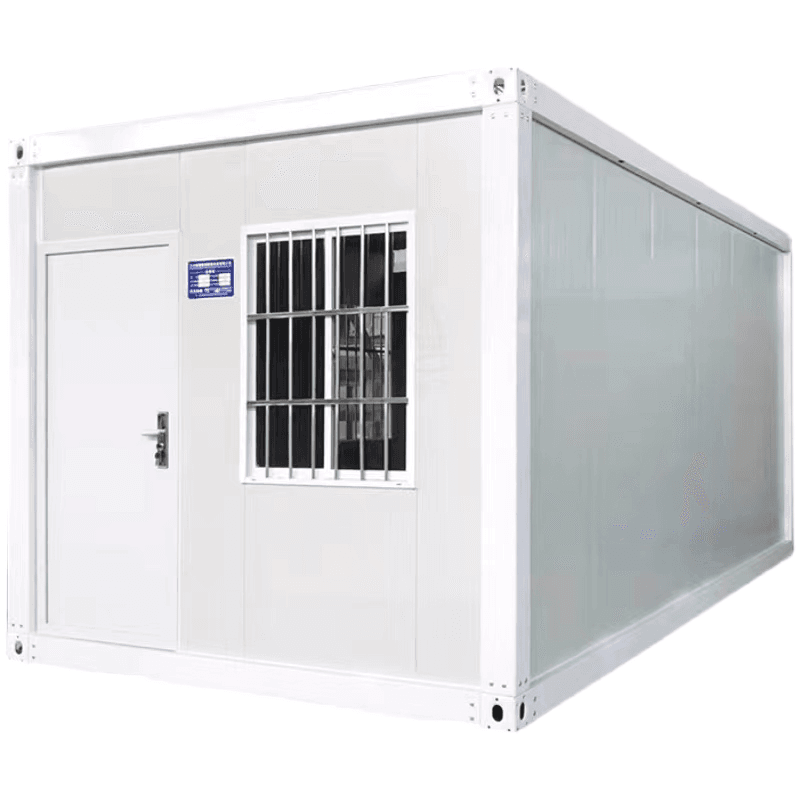
Design Advantages: The squat structure reduces the skin contact area, lowering the risk of cross-infection, especially in public health scenarios where it holds significant advantages. For example, in crowded temporary venues, reasonably arranged mobile toilet units can form a sanitation network, effectively blocking fecal-oral transmission routes. During the pandemic, some models are equipped with ultraviolet disinfection devices, which can control the viral load and quickly respond to public health needs.
Material Characteristics: The cabin body is mostly made of polymer composite materials, which are lightweight and corrosion-resistant, facilitating transportation and rapid installation. For instance, a galvanized steel frame structure combined with thermal-insulating metal carved panel wall panels is both sturdy and adaptable to various climatic conditions. This design enables quick deployment in factories, scenic spots, campsites, and other scenarios, meeting sudden public health demands.
Sanitation Management: The toilet surface is often coated with an antibacterial coating to inhibit the growth of microorganisms such as Escherichia coli. Excrement is collected through sealed fecal storage tanks, and some models add biodegradable agents to accelerate decomposition. The cleaning and transportation process is carried out by professional vehicles, and fecal matter is converted into resources through solid-liquid separation, anaerobic fermentation, and other processes, forming a closed-loop management system. Sensors monitor parameters such as the capacity of the fecal storage tank and ammonia concentration in real-time, with data wirelessly transmitted to the dispatch center for precise cleaning and transportation, avoiding overflow.
Environmental Benefits: Compared to traditional flush toilets, mobile units can reduce water consumption per use by about 70%, offering significant advantages in water-scarce areas. Their temporary nature avoids soil structure damage, eliminates the need for septic tank excavation during construction, and reduces construction waste generation, making them particularly suitable for geologically sensitive areas. Scrap cabin materials can be transformed into municipal components such as tree pool fences through thermoplastic recycling technology, and the plastic from fecal storage tanks can be cleaned, crushed, and remolded, achieving resource recycling.
Energy and Intelligence: Solar power systems provide energy for lighting and ventilation devices, with photovoltaic films integrated into the roof panel without altering the overall structure. Rainwater collection devices work in conjunction with water-saving flush valves to enable the use of non-traditional water sources, allowing normal operation even when disconnected from the municipal water supply network. Remote monitoring functions reduce daily inspection labor costs and improve management efficiency.
Adaptability to Special Environments: In high-altitude areas, insulation layers and anti-freezing flush systems are used, while coastal regions employ salt-corrosion-resistant coatings and wind-resistant reinforcement structures. The modular customization capability enables them to maintain basic sanitation functions in extreme climates, providing support for field operations, disaster relief, and other scenarios.



