
Volver al blog
Artículo
Is Prefabricated Housing Good?
Admin 17 de septiembre de 2026
Whether prefabricated housing is 'good' depends on specific needs. It has significant advantages but also certain limitations, requiring a trade-off based on the scenario.
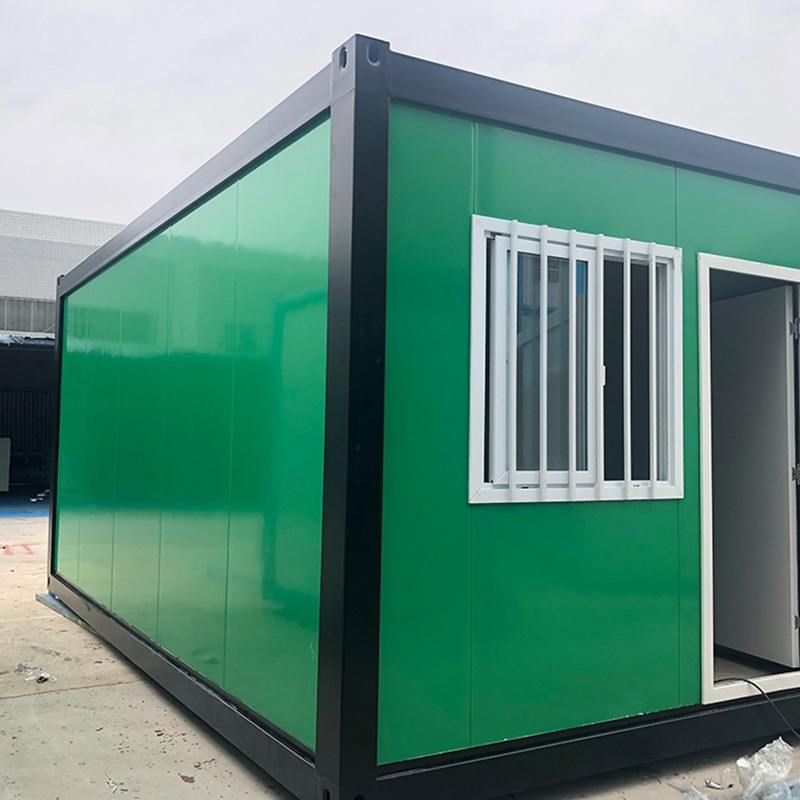
Advantages
- Rapid Construction, Shortened Project Duration: Most components of prefabricated houses are manufactured in factories and assembled on-site, reducing the construction period by more than 50% compared to traditional buildings. For example, in rural areas of Henan, a prefabricated house can have its main structure assembled in as little as two hours, making it suitable for scenarios requiring urgent housing, such as post-disaster reconstruction and temporary accommodation.
- Cost Control: Factory production reduces material waste, and modular design lowers the complexity of on-site construction. The construction cost of an ordinary prefabricated house ranges from 1,000 to 3,000 yuan per square meter, significantly lower than that of traditional high-end residences. Large-scale production can reduce material costs by 20% to 40% and labor costs by about 60%, making it suitable for families or businesses with limited budgets.
- Environmental Protection and Energy Efficiency: Factory production reduces dust, noise, and waste pollution on-site. The use of recyclable materials reduces construction waste by 80%, with a material recycling rate of over 90%. Some high-end prefabricated residences integrate solar panels, insulation materials, and intelligent energy-saving systems, further reducing energy consumption and making them suitable for projects with high environmental requirements.
- Flexibility and Portability: Modular design allows users to customize the house layout according to their needs and disassemble and reassemble it at other locations in the future, making it suitable for scenarios requiring frequent relocation, such as tourist homestays and construction site dormitories.
- Quality Control: Prefabricated components are produced using high-precision molds, resulting in improved concrete strength compared to traditional construction. Their seismic performance has passed seven-level earthquake simulations, and with new technological improvements, it can reach eight-level standards, extending the service life to seventy years.
Disadvantages
- Poor Sound Insulation: It is 20 decibels worse than traditional buildings, making it possible to hear noises from upstairs, unsuitable for living environments with extremely high sound insulation requirements.
- High Long-Term Maintenance Costs: After 20 years, annual maintenance costs may increase by 1,500 to 3,000 yuan.
- Controversy Over Structural Stability: Some prefabricated houses may have issues with cracking and water leakage at module connections, with quality not as robust and durable as traditional self-built houses, making them unsuitable for long-term residence and scenarios with extremely high requirements for house structural stability.
- Low Initial Market Acceptance: In rural China, they are mostly used as temporary panel houses or transitional housing and have not become widespread. Areas with sufficient budgets and a preference for traditional self-built houses may not find them suitable.
Relacionados



