
Is Prefabricated House Sturdy?
Whether a prefabricated house is sturdy needs to be judged based on specific circumstances. Regular products constructed according to standards can achieve safety comparable to that of traditional houses. Its structural strength, seismic performance, and durability are influenced by multiple factors such as materials, processes, design, and maintenance. The specific analysis is as follows:
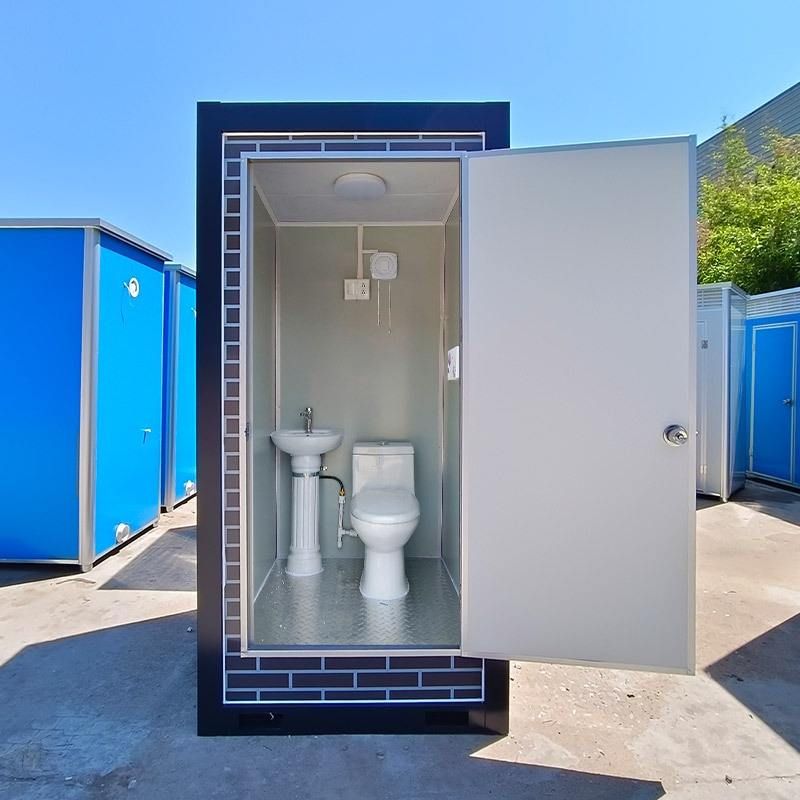
1. There is no essential difference in structural strength between regular prefabricated houses and traditional houses Modern prefabricated houses often use high-strength materials and advanced processes. For example, the walls of assembled concrete houses are cast as a whole using C30 concrete, with national standard deformed steel bar skeletons inside. A complete force-bearing system is formed through precision steel molds, and the structural safety factor is the same as that of traditional cast-in-place houses. Factory standardized production controls dimensional errors within millimeters. Concrete is cured in a constant-temperature and constant-humidity environment, and its quality stability is better than that of on-site construction, effectively avoiding structural defects caused by human operational errors. In actual cases, some residents have not experienced wall cracking or water leakage after three years of use, further verifying their reliability.
2. Seismic performance and service life depend on technological iteration and design standards Early prefabricated panel buildings had simple splicing processes and weak node connections, which might lead to insufficient seismic performance and easy cracking at the splices. However, new technologies have improved the seismic performance to magnitude 8 and extended the service life to 70 years through the overall casting process of reinforced concrete, which is significantly better than some traditional houses. In terms of design life, traditional prefabricated houses are mostly 30-40 years, while modern products using high-strength materials and optimized designs can break through this limit and meet long-term use requirements.
3. Actual safety is significantly affected by construction, foundation, and maintenance Even if the materials and processes meet the standards, the safety of the house still depends on standardized construction and scientific maintenance. For example, improper foundation treatment may lead to uneven settlement. Smashing load-bearing walls randomly will damage the structural integrity, and long-term water leakage will accelerate the corrosion of steel bars and the deterioration of concrete. Therefore, choosing regular manufacturers, strictly supervising the construction process, and regularly inspecting and maintaining are the keys to ensuring safety. In addition, be wary of online rumors and rely on professional appraisal reports to avoid misunderstandings caused by one-sided information.
Conclusion: Prefabricated houses that comply with national standards, use advanced processes, and are constructed in a standardized manner can match traditional houses in terms of structural strength and durability, and even have advantages in seismic performance and service life. However, it is necessary to pay attention to the differences in technological iteration, avoid confusing early products with modern processes, and attach importance to the impact of construction and maintenance links on safety.



