
Is a Mobile Toilet a Building?
Whether a mobile toilet is considered a building depends on specific circumstances. Generally, it is not directly classified as a fixed building in the traditional sense, but it may fall under the management scope of buildings or structures.
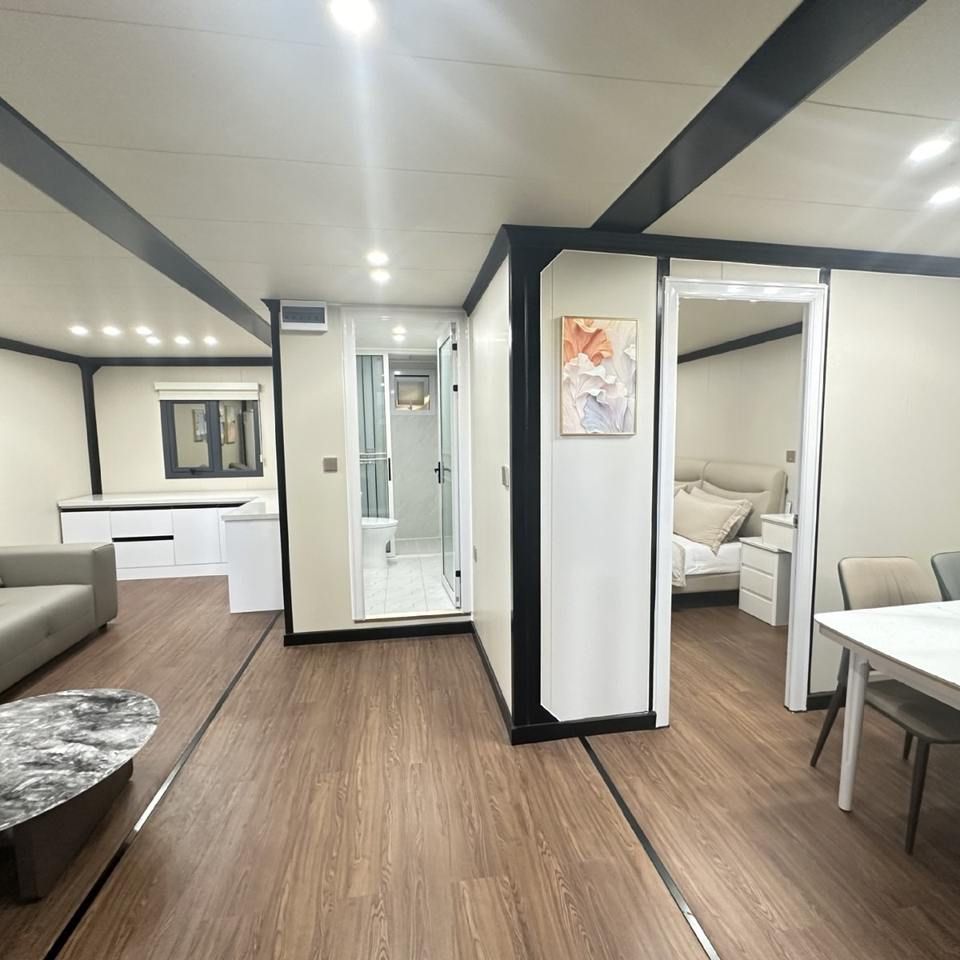
The Essential Attributes of Mobile Toilets
The core feature of mobile toilets is their "mobility." They are designed to meet temporary and flexible needs, typically without involving permanent infrastructure construction (such as foundation pouring or fixed pipeline laying) or changes in land use rights. Physically, they are more akin to detachable and portable facilities rather than buildings that need to be permanently fixed to the land. According to the Urban and Rural Planning Law of the People's Republic of China, illegal buildings primarily refer to permanent buildings and structures constructed without obtaining or in violation of construction engineering planning permits. The temporary nature of mobile toilets distinguishes them fundamentally from fixed buildings.
Conditions for Not Being Classified as an Illegal Building
If a mobile toilet meets the following conditions, it is generally not considered an illegal building:
- Legal and Compliant Placement: It must be approved by relevant departments, with clear usage scenarios (such as public events or temporary needs on construction sites), placement time, and scope. For example, mobile toilets set up in designated areas during large-scale exhibitions must be reported to and permitted by urban management departments in advance.
- Compliance with Planning and Safety Standards: They must not occupy key areas such as public roads, fire lanes, or green spaces, and their structures must meet safety requirements (such as resistance to tipping, fire prevention, and ventilation). For example, mobile toilets on construction sites must comply with the sanitation facility specifications in the Environmental and Sanitation Standards for Construction Sites.
- Legal Use in Specific Areas: They must be placed in temporary areas designated by the government (such as commercial streets or night markets) in accordance with management regulations and without violating land use regulations (such as not setting up non-agricultural facilities on agricultural land).
Situations Where Mobile Toilets May Be Classified as Illegal Buildings
If a mobile toilet has the following issues, it may be classified as an illegal building:
- Unauthorized Placement Without Approval: It is placed without applying for permits from planning or urban management departments or used beyond the approved scope.
- Violation of Land Use Regulations: It is placed in prohibited construction areas such as agricultural land or ecological protection zones or changes the original land use (such as using farmland for placing mobile toilets).
- Safety Hazards or Impact on Public Interests: It poses safety risks such as structural instability that may lead to tipping, blocks residents' sunlight or ventilation, or produces odors or sewage that pollute the environment.



