
Is Joining a Prefabricated House Factory Profitable?
Joining a prefabricated house factory has profit potential, but specific earnings are influenced by multiple factors such as market demand, cost control, policy support, and operational strategies. The following analysis is conducted from four aspects: core advantages, profit potential, policy drivers, and risk control:
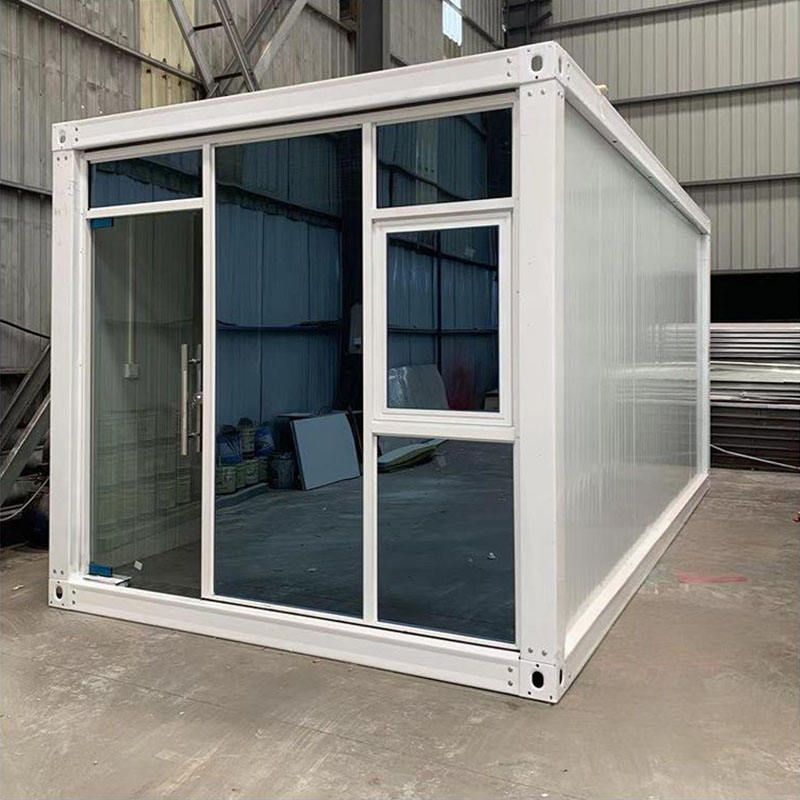
1. Industry Prospects and Market Demand Support Profit Foundations
The acceleration of building industrialization is driving the expansion of the prefabricated component market. The annual growth rate of prefabricated buildings in China exceeds 15%, with cement prefabricated components occupying a dominant position. There is strong demand in areas such as rural self-built houses, scenic area homestays, and emergency shelters, providing entrepreneurs with a stable source of orders. For example, the rural tourism economy has spurred demand for characteristic homestays, and the strong willingness of rural residents to improve their housing conditions provides dual driving forces to ensure market space.
2. Cost Compression and Significant Profit Margins
By purchasing raw materials in bulk and optimizing production processes, the comprehensive cost of a single house can be reduced to 70% of that of a traditional brick-and-mortar structure. Taking a 120㎡ residential house as an example, the production cost is approximately 48,000 yuan, while the market selling price can reach 72,000 yuan, maintaining a profit margin of around 40%. Some cases show that the profit per square meter of cement houses is about 120-150 yuan (with a cost of 1000-1100 yuan/㎡), and the gross profit margin can exceed 35%. Mature brands reduce the entrepreneurial threshold through the '1:10 cost model', where an initial investment of 100,000 yuan in equipment and raw materials can enable the acceptance of orders worth 1 million yuan.
3. Policy Dividends and Market Demand Drive Growth
Thirty-one provincial administrative regions have introduced policies to promote prefabricated buildings, with some areas providing subsidies of 80-200 yuan/㎡. The national goal of developing green buildings further strengthens policy support. At the same time, the rural tourism economy and the demand for housing improvements in villages and towns form a rigid demand market. For example, a franchisee in Zhejiang completed the delivery of 32 houses in the first year, achieving a net profit of 680,000 yuan; an entrepreneur in a central province focused on the scenic area market and completed 127 orders in the first year, with a net profit of 2.14 million yuan.
4. Risk Control and Operational Strategies Are Key
It is necessary to prioritize county-level markets with an annual increase of more than 5,000 new residential houses to avoid excessive competition. At least two professional technicians specializing in concrete mix ratios should be employed to ensure product quality. Competitiveness can be enhanced by developing patented technologies for personalized exterior wall decorations or insulation structures. Combining short-video platforms to showcase construction cases and offline experience halls to enhance customer perception is also effective. In addition, entrepreneurs need to focus on examining the maturity of equipment and processes, the level of local policy support, and the technical reserves of the team to reduce operational risks.



