
Is It Good to Keep Prefabricated Panel Houses Warm?
Prefabricated panel houses generally offer relatively good thermal insulation. The following provides a detailed analysis from the perspectives of material properties, manufacturing processes, actual effects, and construction factors:
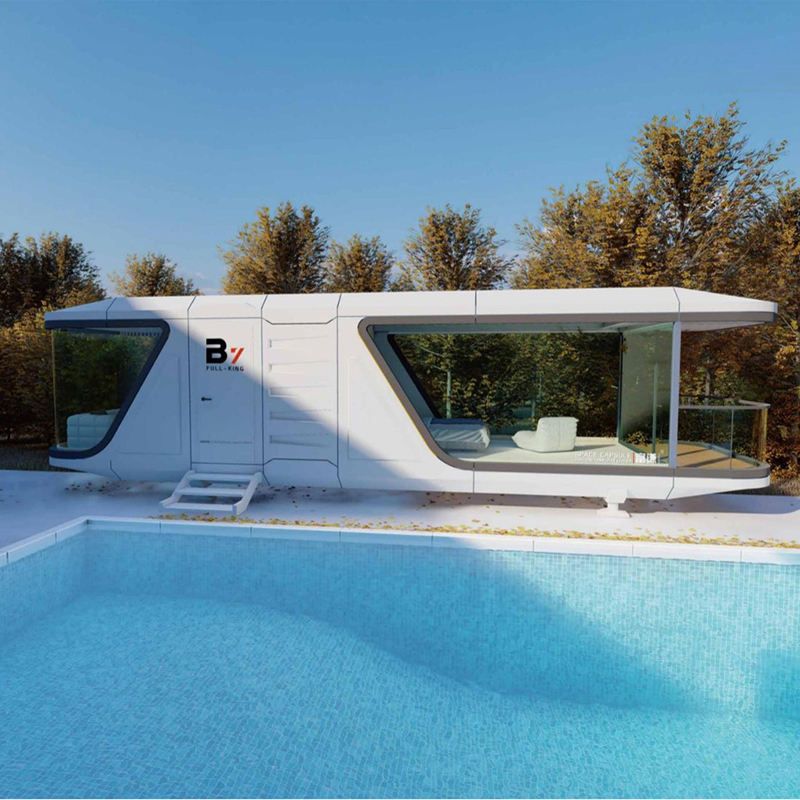
In terms of material properties, the thermal insulation performance of prefabricated panels is primarily influenced by material density and thermal conductivity. Generally, prefabricated panels have a relatively low density, giving them a significant advantage in thermal insulation compared to reinforced concrete. This is because materials with lower density tend to have more internal voids. Since air is a poor conductor of heat, these voids can hinder heat transfer, thereby providing better thermal insulation.
Regarding manufacturing processes, the thermal insulation performance of prefabricated panels can be enhanced by adding insulation materials during production. For example, commonly used insulation materials such as polystyrene foam boards and rock wool boards can be incorporated. These insulation materials have extremely low thermal conductivity, effectively preventing heat loss. Moreover, different insulation materials can be selected based on varying thermal insulation requirements to further enhance the insulation effect. For instance, in colder regions, materials with better thermal insulation performance can be chosen to meet higher insulation demands.
From the perspective of actual effects, prefabricated insulation panels exhibit excellent thermal insulation performance, significantly outperforming traditional materials. Houses using prefabricated insulation panels can effectively reduce energy consumption and operating costs, minimizing the energy required for heating in winter and cooling in summer. In winter, they can reduce heat loss from the interior, keeping the rooms warm; in summer, they can block heat from entering the interior, maintaining a cool environment.
However, the thermal insulation effect is not solely determined by the prefabricated panels themselves; multiple factors need to be considered comprehensively. The construction quality of the insulation layer on the construction site is crucial. If the insulation layer is unevenly laid or has gaps, it can severely affect the insulation effect. The quality of waterproofing measures should not be overlooked either. Poor waterproofing can lead to moisture absorption by the insulation materials, reducing their thermal insulation performance and potentially even damaging them.



