
Volver al blog
Artículo
Is It Good to Build a House with Prefabricated Blocks?
Admin 18 de septiembre de 2026
Building a house with prefabricated blocks has both advantages and disadvantages, and the choice should be made based on specific needs.
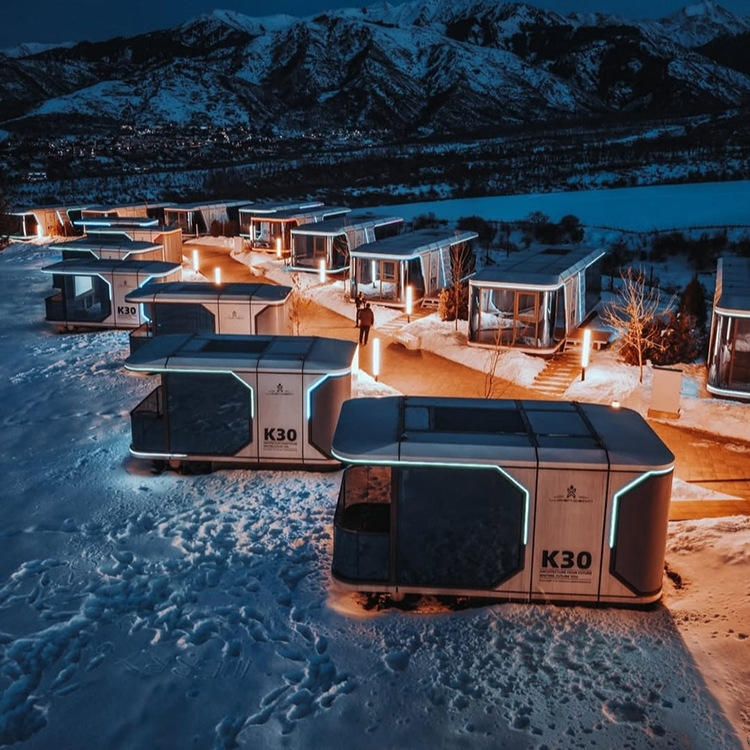
Significant Advantages, Suitable for Specific Scenarios
- Rapid Construction, Shortened Project Duration: Prefabricated components are manufactured in factories and only require assembly on-site, reducing the construction period by more than 50% compared to traditional buildings. For example, a 100-square-meter prefabricated house can be completed in 1-2 months, while a traditional brick-and-mortar structure takes more than 6 months; in rural areas of Henan, the main assembly of a prefabricated house can be completed in as little as two hours. This feature makes it suitable for emergency housing, temporary buildings, or projects with tight deadlines.
- Cost Control, Outstanding Economy: Factory production optimizes material and labor costs, and standardized design reduces waste. The construction cost of an ordinary prefabricated house ranges from 1,000 to 3,000 yuan per square meter, far lower than that of traditional high-end residences (over 5,000 yuan per square meter); in rural areas of Henan, the cost per square meter of a prefabricated house is only a little over three hundred yuan, making it suitable for users with limited budgets.
- Environmental Protection and Energy Efficiency, Aligned with Green Concepts: Factory production reduces on-site dust, noise, and waste pollution. Some prefabricated houses use recyclable materials such as light steel and wood, reducing construction waste by 80% and achieving a material recycling rate of over 90%. High-end models also integrate solar panels, insulation materials, and intelligent energy-saving systems to further reduce energy consumption.
- High Flexibility and Mobility: Modular design allows users to customize layouts and even disassemble and reassemble them in the future. Container houses and light steel structure houses are particularly suitable for scenarios requiring frequent relocation, such as tourist homestays and construction site dormitories.
- Quality Control, Enhanced Performance: High-precision mold production results in concrete strength higher than that of traditional construction, with seismic performance passing seven-level earthquake simulations. After adopting the reinforced concrete integral pouring process, the seismic performance is upgraded to eight levels, the service life is extended to seventy years, and the sandwich insulation design also improves sound and heat insulation effects.
Shortcomings to Note, Exercise Caution for High-Rise or Long-Term Residence
- Connection Issues: The connection between prefabricated components is crucial; if not handled properly, they may come apart during earthquakes, causing serious consequences.
- Water Leakage Risk: As the number of floors increases, the weight borne by lower components multiplies, significantly increasing the probability of water leakage at joints; high-rise buildings should be chosen with caution.
- Poor Sound Insulation: The actual sound insulation effect is 20 decibels lower than that of traditional buildings, making it easy to hear noises from upstairs.
- High Maintenance Costs: After 20 years, annual maintenance costs increase by 1,500 to 3,000 yuan; long-term usage costs should be factored into consideration.
Relacionados



