
Is a Container House Good or Not?
Whether a container house is good or not depends on specific needs, with applicable scenarios and obvious limitations.
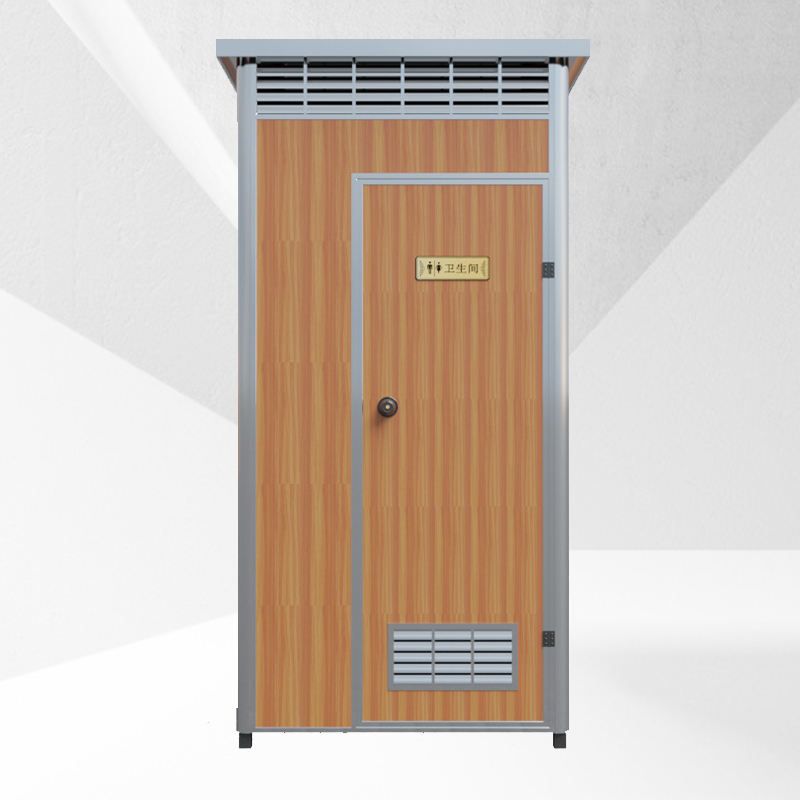
Significant advantages, suitable for specific scenarios
Container houses are characterized by being eco-friendly, flexible, and cost-effective. They utilize factory-prefabricated wall panels, roofs, and other components, which are assembled on-site like building with LEGO blocks, allowing for quick commissioning in just a few days, saving approximately 80% of the time compared to traditional construction. This feature makes them a common choice for temporary dormitories on construction sites, meeting the accommodation needs of personnel quickly while reducing time costs. In terms of cost, light steel structure container houses start at 1,500 yuan per square meter, half the price of brick houses, and their materials are recyclable, reducing construction waste by 90%, aligning with eco-friendly concepts. Additionally, their flexibility makes them suitable for scenarios such as temporary guesthouses in scenic areas or the first studios for entrepreneurial youth, allowing for quick layout adjustments or relocations based on needs.
Prominent drawbacks, limiting long-term use
Weak thermal insulation and soundproofing performance are the main shortcomings of container houses. With a wall thickness of only 20 centimeters, they struggle to effectively retain heat in northern winters, requiring additional insulation layers; if located beside roads or in noisy environments, their soundproofing is poor, and one can even hear the creaking of inferior panels in the rain. In terms of lifespan, light steel structure container houses can last up to 50 years, while wooden structures require major repairs after just 30 years, far less durable than traditional brick houses. More seriously, there are fire safety hazards, as some container houses use flammable materials such as polystyrene and polyurethane foam as sandwich layers, which melt, deform, and drip at 80°C, triggering more severe combustion, producing highly toxic combustion products, making firefighting difficult, and making it hard for trapped individuals to escape.
Applicable scenarios must strictly match needs
For short-term or non-core residential scenarios such as construction site dormitories, trendy guesthouses, or temporary relocation housing in one's hometown, container houses offer high cost-effectiveness, quickly meeting needs and controlling costs. However, if planning to build a permanent self-occupied house, especially in northern regions, their thermal insulation, soundproofing, lifespan, and fire safety issues will significantly affect living experience and safety, and are not recommended.



