
Is Container House Considered a Building
Container houses are considered buildings, but their legal nature and compliance need to be evaluated based on specific scenarios. The following provides an explanation from three aspects: definition, legal attributes, and compliance conditions:
1. Architectural Attributes of Container Houses
Container houses are formed by modifying shipping containers as basic structural modules to create habitable or office spaces. Their core features include:
- Structural Stability: Modern container houses use a fully steel structural framework, providing wind and earthquake resistance (e.g., Suzhou Zhongnan packing containers can withstand wind speeds of up to 12 and seismic intensity of 8), meeting building structural safety requirements.
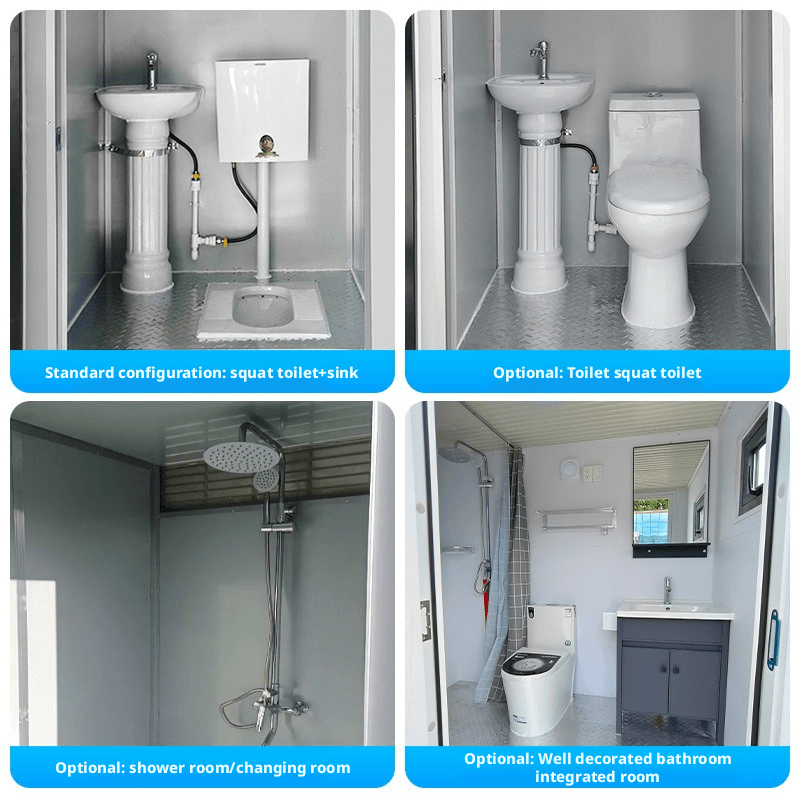
- Functional Completeness: The main structure, plumbing, electrical wiring, and interior finishes are prefabricated in factories, allowing for direct use after on-site assembly, with functions similar to traditional buildings for living and working.
- Spatial Adaptability: They can be flexibly stacked and connected to form multi-story or complex spatial structures (e.g., four-story giant container buildings), meeting diverse needs.
2. Legal Attributes: Defining Temporary Buildings and Illegal Structures
The legal classification of container houses depends on the Urban and Rural Planning Law and local policies:
- Temporary Building Attributes: If the ground is not hardened, utilities are not connected, and the land use is not altered (e.g., used solely for storing farm tools), they are generally considered temporary facilities and do not require planning permits.
- Risk of Illegal Construction: They may be classified as illegal structures if any of the following conditions are met:
- Lack of Planning Approval: Construction in planned areas without approval;
- Change in Land Use: Occupying cultivated land, ecological protection zones, or shifting from storage to commercial use (e.g., homestays, shops);
- Permanent Occupation: Pouring concrete foundations or connecting to municipal utilities for long-term residence.
3. Compliance Conditions for Use
To avoid the risk of illegal construction, the following requirements must be met:
- Usage Restrictions: Priority should be given to non-residential scenarios such as temporary storage and emergency relief. Commercial use requires land approval, planning filing, and fire safety permits.
- Site Selection: Avoid basic farmland and ecological protection zones, prioritizing commercial/cultural tourism land or private residential land.
- Structural Safety: Compliance with the Technical Specification for Modular Combination Container Houses (CECS 334:2013) ensures wind, earthquake, and fire resistance standards are met.
- Local Policies: Some regions (e.g., Shanghai, Shenzhen) encourage container buildings for cultural tourism projects but require special approvals; agricultural provinces may require registration for container houses in fields.
Summary: Container houses are essentially buildings, but their legality depends on usage, site, approval procedures, and local policies. Temporary use should avoid hardening the ground, connecting utilities, or altering land use; long-term residence or commercial operation requires strict adherence to reporting procedures, or there may be a risk of demolition.



