
Iron Shed Mobile Toilet
"Iron Shed Mobile Toilet" is not a standard term in the field of mobile toilets, and there is a lack of a clear definition for it in publicly available materials. However, its possible characteristics can be inferred by combining the development history of mobile toilets.
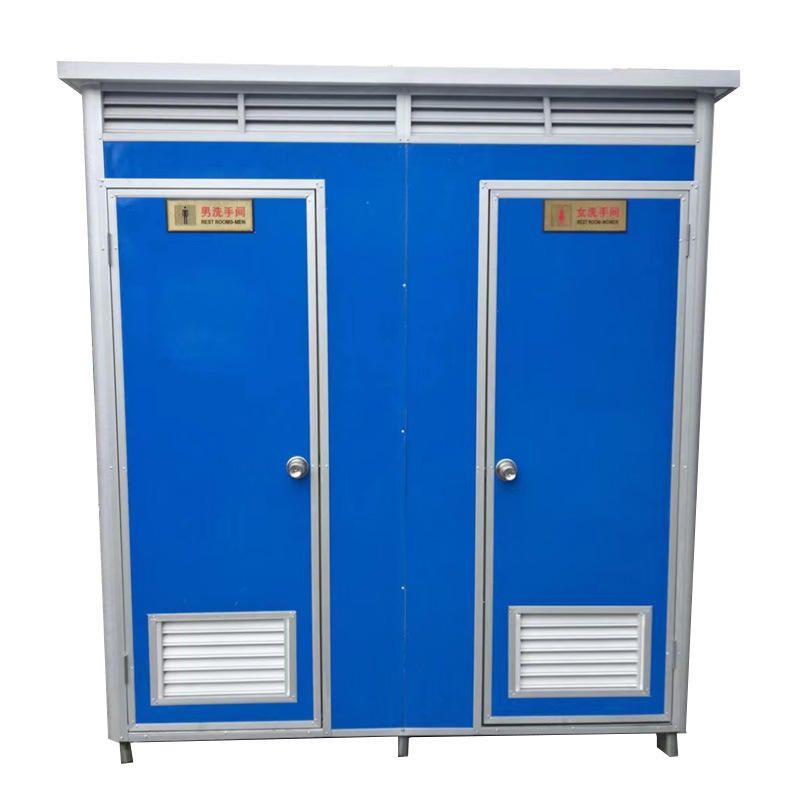
Early mobile toilets were limited by materials and craftsmanship and were often assembled using simple materials such as wooden boards and iron sheets. Among them, iron sheets, due to their low cost and ease of processing, may have been used to construct toilet frames or enclosure structures, forming a construction similar to an "iron shed". These toilets had a single function, easily absorbed odors, and had poor sanitary conditions, mostly being used in temporary locations.
With technological advancements, modern mobile toilets have formed a clear material spectrum, and the iron shed structure may have been replaced or optimized with higher-quality materials. For example, the commonly seen color-steel mobile toilets on construction sites use galvanized steel sheets as the base material, with their surfaces treated with automotive-grade baking varnish processes, retaining the stability of the metal structure while enhancing corrosion resistance and aesthetics. The standard fiberglass models in scenic spots use resin as the matrix and glass fibers as the reinforcing material, coming with imitation wood grain decorative strips, balancing lightweight properties and moisture resistance. Fully plastic models adopt polyethylene materials sourced from spacecraft, using one-piece injection molding processes to achieve seamless leak prevention, as well as acid and alkali resistance and ease of cleaning.
If "Iron Shed Mobile Toilet" refers to a composite structure toilet with an iron frame paired with panels of other materials, its advantages may lie in high structural strength and strong wind resistance, making it suitable for outdoor scenarios with strong winds. However, attention should be paid to the issues of iron materials being prone to rusting and conducting heat quickly, which require treatment with processes such as galvanizing and painting, as well as the use of thermal insulation materials to enhance user comfort. In addition, modern mobile toilets place greater emphasis on environmental protection and intelligence, such as being equipped with microbial degradation, solar power supply, and intelligent sensor flushing functions. These characteristics may require the integration of new materials and electronic technologies, rather than relying solely on iron structures.



