
Volver al blog
Artículo
Installing Mobile Toilets in Hometown
Admin 08 de octubre de 2026
When installing mobile toilets in your hometown, it is necessary to comprehensively consider type selection, installation key points, and daily maintenance. Here are specific suggestions:
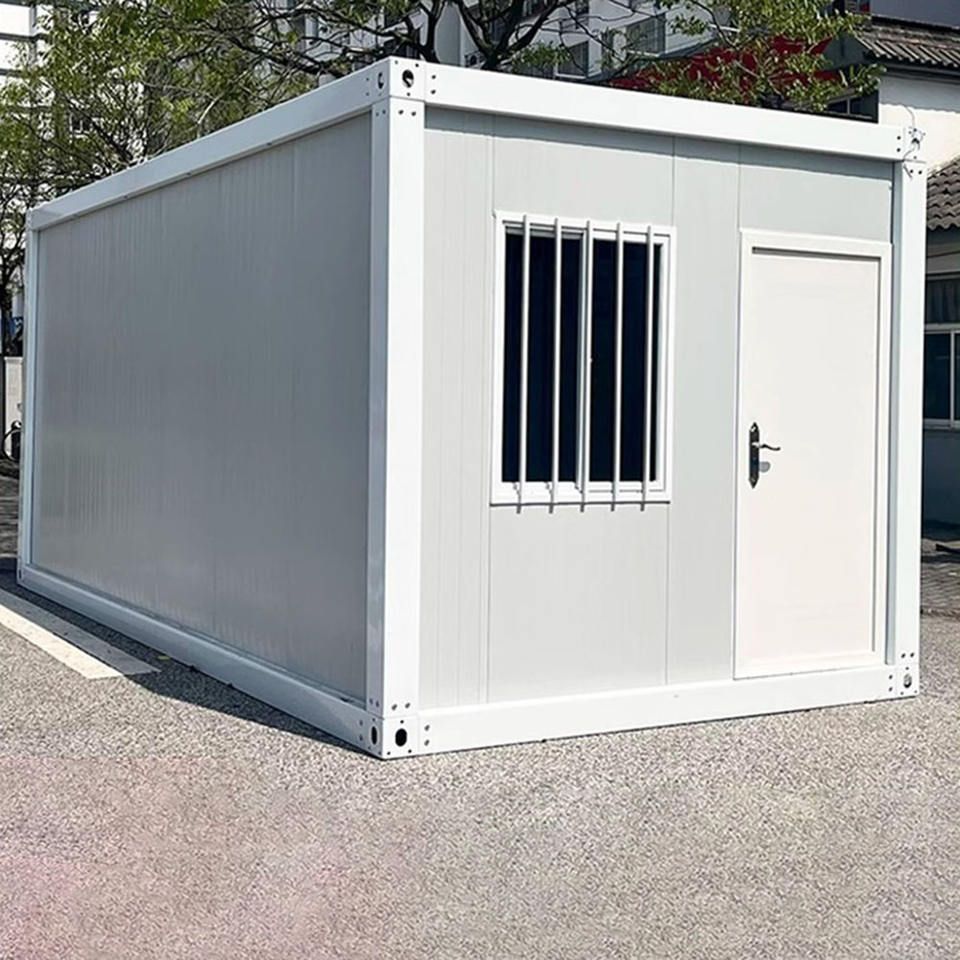
I. Mobile Toilet Type Selection
- Portable Toilets: Suitable for temporary use or placement in elderly rooms. Made of high-strength plastic material and equipped with a detachable waste tank for easy cleaning.
- Biodegradable Toilets: Treat excrement by adding microbial decomposers. The converted organic fertilizer can be directly used in vegetable gardens, suitable for families that prioritize environmental protection.
- Waterless Toilets: Adopt special sealing structures and adsorbent materials to prevent odor diffusion, suitable for water-scarce areas or scenarios with high hygiene requirements.
- Packing Toilets: Store waste in replaceable collection bags. The entire bag is removed for disposal after use, with simple operation, suitable for low-frequency use scenarios.
- Recirculating Water-flush Toilets: Use a small amount of water for recirculating flushing to reduce water consumption, suitable for families with convenient water access but a need to save water.
II. Key Installation Points
- Site Selection: The site should be flat, dry, and free of debris. Avoid sloped or low-lying areas to prevent water accumulation from affecting stability.
- Sewage Pipe Connection: Ensure the sewage pipe is fully inserted into the interface. The use of offset connectors is prohibited, as they can increase the risk of blockage.
- Power Outlet Reservation (for smart models): If smart functions (such as automatic flushing and monitoring reminders) are required, reserve a socket with a splash-proof box 30 cm to the left/right of the center of the sewage outlet and 30 cm from the ground.
III. Daily Maintenance and Precautions
- Cleaning Cycle: It is recommended to clean the waste tank every 3 days and spray disinfectant after cleaning. For biodegradable toilets, replenish the microbial agent every 2 months.
- Material Protection: In northern winters, choose frost-resistant materials. In southern humid areas, carry out anti-mold treatment to prevent aging of the sealing strips.
- Moving Specifications: Handle with care and avoid violent collisions that could damage the sealing strips or deform the structure.
IV. Environmental and Economic Advantages
- Pollution Control: Reduce the risk of groundwater pollution from traditional pit toilets. The treated excrement as fertilizer is safer and more hygienic.
- Cost-effectiveness: The price of ordinary models ranges from 300 to 800 yuan, with low renovation costs. There is no need to excavate a septic tank, suitable for families with small homestead areas.
- Ecological Benefits: The density of surrounding mosquitoes and flies can be reduced by about 60%, improving the rural sanitation environment.
V. Future Development Trends Some manufacturers have developed solar-assisted models that use sunlight to accelerate the decomposition process. Smart monitoring functions (such as cleaning reminders) are under testing. In terms of materials, more recycled plastics are being used to balance cost and environmental protection.
Relacionados



