
Innovative Vast Mobile Toilet
Innovative mobile toilets have achieved multiple breakthroughs in the fields of technology and environmental protection, with core features covering resource recycling, energy independence, intelligent management, and spatial adaptability.
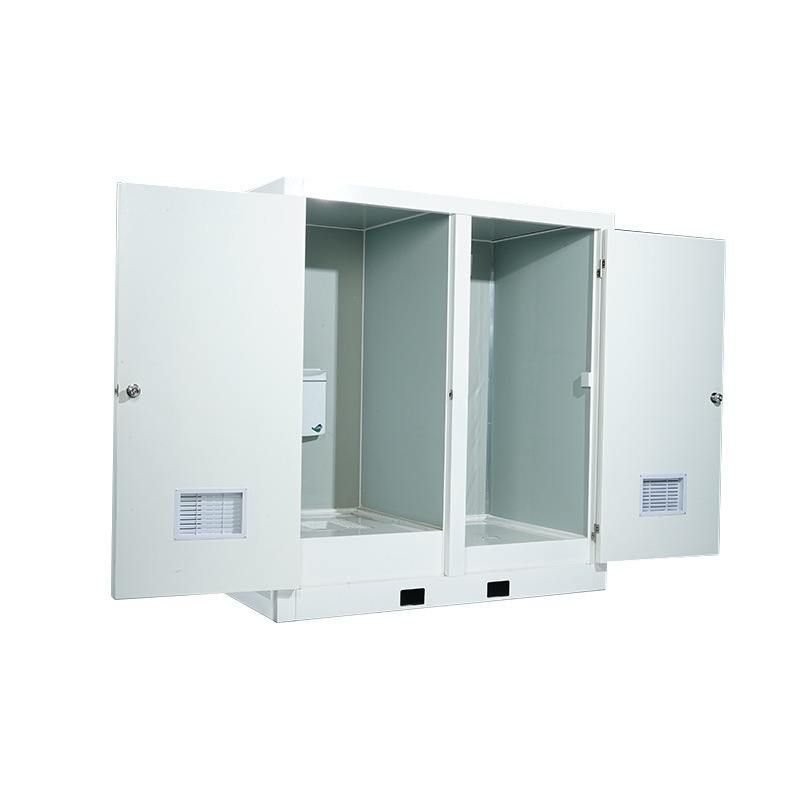
1. Technological Innovation and Environmental Treatment Technologies Mobile toilets utilize physical separation techniques, microbial fuel cells, and pyrolysis carbonization devices to achieve low-energy treatment and resource recovery of excreta. For example, a vacuum negative pressure system requires only 0.3 liters of water for cleaning, and the separated solids can be converted into biochar substrates. Phosphorus in urine is recovered as struvite crystals through magnesium salt precipitation, while ammonia nitrogen is converted into nitrogen gas through nitrification-denitrification reactions. Some systems also integrate biofilm reactors to further optimize pollutant degradation efficiency.
2. Energy Self-Sufficiency and Multi-Level Supply A composite energy system consisting of rooftop photovoltaic panels, thermoelectric generation modules, and biofuel cells meets the operational needs of the equipment. For instance, a mobile toilet in Beijing achieves energy closure through flexible photovoltaic films (with a photoelectric conversion efficiency of approximately 18%) and biogas fermentation (producing 0.3 cubic meters of biogas per kilogram of dry particles), reducing reliance on external power grids.
3. Remote Monitoring and Intelligent Management A monitoring system based on the Internet of Things (IoT) architecture can monitor data such as storage tank capacity and temperature and humidity in real-time and transmit it to the management center via narrowband IoT. The system has self-diagnostic capabilities, identifying more than 12 types of abnormal conditions (such as overflow and equipment failure), automatically triggering maintenance alerts or initiating cleaning procedures, and improving operational efficiency.
4. Modular Design and Spatial Adaptability Standardized interfaces and modular components support rapid assembly, allowing flexible configuration of functional modules such as barrier-free units and maternal and child care units. Equipped with adjustable leg systems to adapt to terrain undulations, the overall structure meets the requirements for wind loads of up to Level 8 and seismic resistance of up to 7 degrees, making it suitable for complex outdoor environments.
5. Convenience Services and Smart Function Integration Some mobile toilets (such as the “Easy Station” in Bao'an) integrate convenience facilities like shared power banks and vending machines, and provide real-time environmental displays, toilet-finding navigation, and service evaluation functions through mini-programs, enhancing the user experience.
6. Material and Structural Innovation The surface employs photocatalytic nanocoatings or hydrophobic polymer films to reduce pollutant adhesion; the walls use glass fiber-reinforced plastic and polyurethane sandwich composite panels to optimize the mass-strength ratio, improving durability and lightweight performance.
These technologies collectively drive mobile toilets towards resource recycling, energy independence, and intelligence, providing sustainable solutions for outdoor sanitation services.



