
Inner Mongolia Container Renovated Housing
Inner Mongolia's container-renovated housing comes in a variety of forms, covering application scenarios such as grassland characteristics, low-cost renovations, eco-friendly designs, innovative technologies, modular construction, and youthful, internet-famous styles.
1. Combination of Grassland Charm and Industrial Style
Container houses in Inner Mongolia integrate grassland culture with modern industrial elements through design. For example, grassland homestays adopt traditional symbols such as wooden fences and Mongolian-yurt-style pointed roofs, paired with modern designs like large windows, transparent glass, and starry skylights, preserving the rugged grassland style while providing a comfortable living experience. Scenic spot check-in points reinforce regional cultural symbols through exterior wall color schemes and distinctive decorations, attracting tourists.
2. Low-Cost Renovations and Multi-Functional Applications
Due to their low cost and flexible renovation potential, containers are widely used in commercial settings. Herdsmen transform containers into milk tea houses, decorated internally with wool felt and externally with horse milk wine banners, offering hot milk tea and interactive activities like horseback riding and archery. Additionally, containers are used for cafes, small shops, and observation decks, meeting diverse needs.
3. Alignment of Eco-Friendly Concepts with Eco-Tourism
Container buildings are easy to dismantle and do not damage the original grassland landscape, aligning with the concept of “traceless tourism.” For example, container hotels in desert scenic areas can be directly transported away after tourists leave, allowing the grassland to recover its original state. This “temporary architecture” meets tourist needs while protecting the ecological environment, promoting sustainable tourism development.
4. Innovative Design and Sustainable Development Practices
Container prefabricated housing companies in Inner Mongolia employ technologies such as high-strength weathering steel, composite thermal performance envelopes, and seismic-resistant connection nodes to enhance housing stability and durability. For instance, the main frame of the container uses Q355B grade steel, the envelope structure adopts a three-layer composite construction of “rock wool-air layer-aluminized zinc plate,” and connection nodes introduce a dual-fixing mode of “wedge lock + high-strength bolt” to ensure structural safety.
5. Modular Design and Rapid Construction
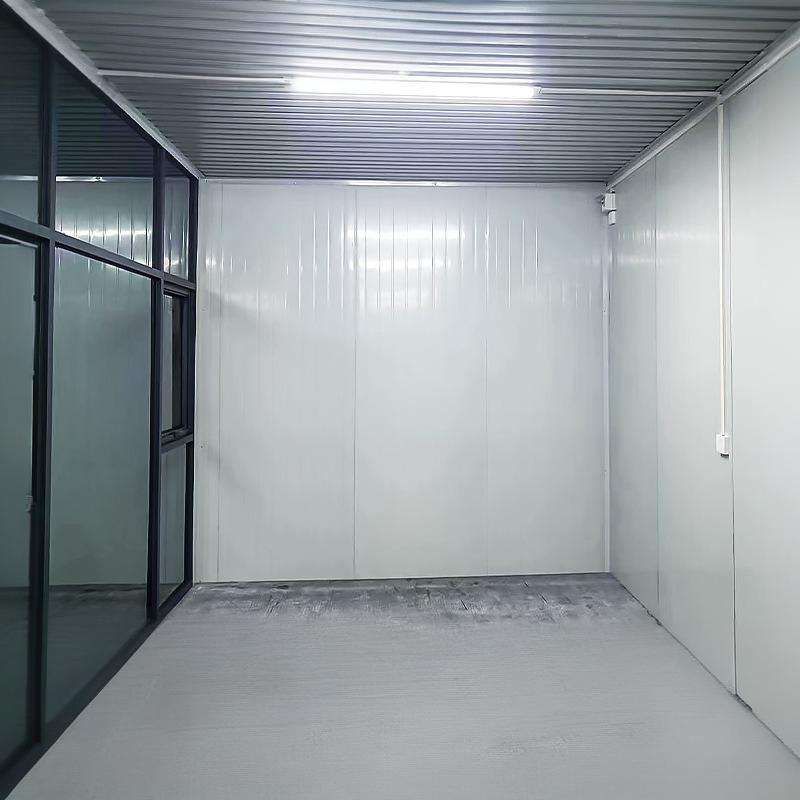
Container houses achieve rapid construction through modular design, suitable for temporary accommodations such as construction sites. For example, the color-steel houses used at Tuyou Banner construction sites adopt a “double-sided steel plate + intermediate core” sandwich construction, with wall and roof panels connected by bolts or lock fittings, enabling high on-site construction efficiency and meeting short-term usage needs.
6. Youthful Appeal and Internet-Famous Attributes
The “niche” and “design-forward” nature of containers attract young people, creating internet-famous check-in spots through elements like graffiti, neon signs, and Instagram-style decorations. For example, a popular internet-famous container cafe features a white container as its main body, with wool felt sheep placed at the entrance, becoming a hot spot for photos and promoting the integration of culture and tourism.



