
Independent Partition Mobile Toilet
An independent partition mobile toilet is a public restroom facility that features mobility, privacy protection, and functional diversity. Its core features, structural classifications, and applicable scenarios are as follows:
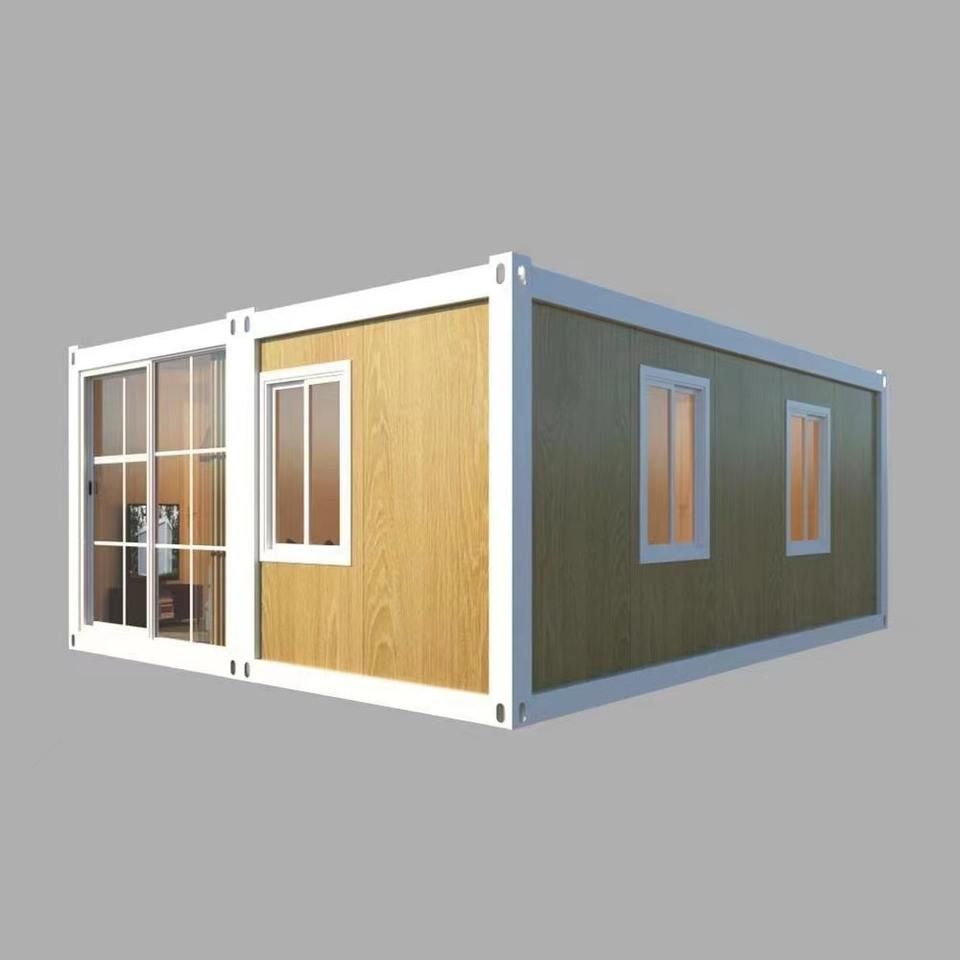
I. Core Functions and Design Features
The independent partition mobile toilet ensures user privacy during restroom use through independent squatting positions and partition designs. It also offers mobility and modularity, allowing flexible layout adjustments based on site requirements. Its internal configuration includes modules such as fecal wastewater storage tanks (or disposal units), flooring, sanitary fixtures, walls, washing facilities, water tanks, roofs, and mobility devices, forming a complete restroom system. Some models support custom sizing to adapt to special environments with limited space, meeting individual customer needs.
II. Structural Classifications and Mobility Methods
- By structural form: Divided into single-unit and composite structures. Single-unit structures are independent units suitable for small-scale scenarios; composite structures consist of multiple units combined to expand into large public restrooms, meeting high-traffic demands.
- By mobility method: Divided into lifting/handling types and powered/trailer types. Lifting types rely on lifting equipment for transportation and are suitable for short-distance moves between fixed points; powered types are equipped with engines or motors for autonomous movement; trailer types are connected via towing vehicles and are suitable for long-distance transportation or temporary deployment.
- By wastewater treatment method: Divided into water-flush types, waterless suction types, recirculating water-flush types, and dry-pack types. Water-flush types rely on water for flushing, offering high cleanliness but requiring supporting sewage pipes; waterless types reduce water usage through vacuum suction or chemical treatment, suitable for water-scarce areas; recirculating water-flush types utilize filtration technology for water reuse; dry-pack types seal feces in biodegradable bags, eliminating the need for a sewage system and highlighting environmental friendliness.
III. Typical Application Scenarios
Mobile toilets are widely deployed in stations, docks, tourist attractions, villa areas, newly built residential areas, large construction sites, squares, and bustling commercial streets. Their advantage lies in quickly responding to temporary needs, such as surges in foot traffic during large events or infrastructure shortages during post-disaster reconstruction. Additionally, in remote areas and ecological reserves without fixed sewage systems, dry-pack or recirculating water-flush mobile toilets can provide environmentally friendly restroom solutions.



