
Independent Mobile Toilet for Indoor Use
Independent mobile toilets have applications indoors, with various types and styles available for selection.
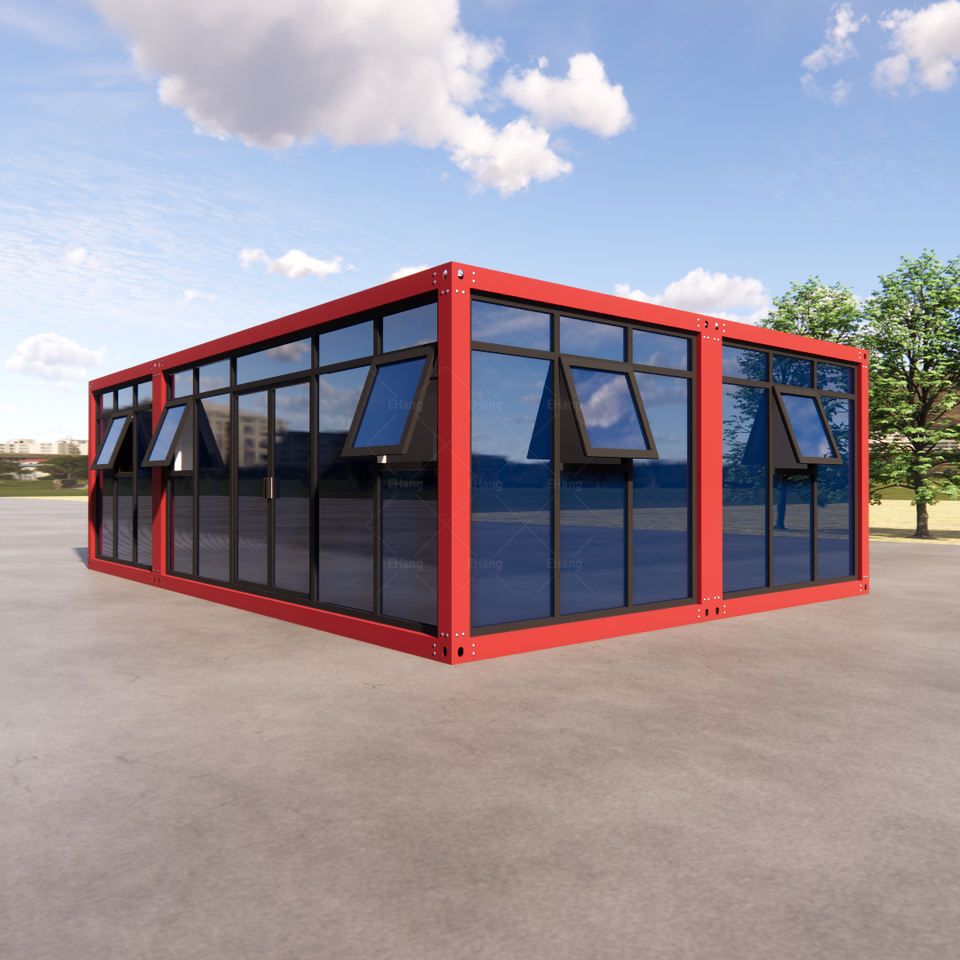
I. Apple Cabin-Style Independent Single-Room Mobile Toilets
Although primarily used in outdoor settings such as parks, scenic spots, and campsites, Apple Cabin-style independent single-room mobile toilets can also be arranged indoors according to actual needs. Their design features include a grille design, a spacious rain-proof corridor, and a sink configuration, meeting basic toilet needs while adapting to indoor space layouts through modular structures. These toilets are typically constructed with steel or color-steel materials, offering waterproof and easy-to-clean properties, making them suitable for temporary event venues or larger indoor spaces.
II. Portable Toilets (Designed for the Elderly/Special Populations)
For individuals with mobility issues, such as the elderly and pregnant women, indoor mobile toilets often adopt portable toilet forms. For example:
- Miaoxinshi Elderly Mobile Toilet: Utilizes a triple-seal design to reduce odor emission, with an enlarged and thickened body for enhanced stability. The material is waterproof and easy to clean. Its elevated design, handrails, and anti-slip foot pads at the bottom reduce usage risks. A side storage basket facilitates item placement, and the inner bucket's handle design simplifies the cleaning process.
- Kangji Toilet Chair: Features a widened seat and five-level adjustable height to accommodate different user needs. The seat is equipped with an EVA cushion, and the handrails are made of soft, high-density foam for increased comfort. The steel tube structure is sturdy, suitable for long-term indoor use. These devices are compact and can be flexibly placed in bedrooms, bathrooms, and other spaces.
III. Other Types of Indoor Mobile Toilets
Indoor mobile toilets also include container toilets, eco-friendly toilets, etc., with materials ranging from metal to plastic. For example:
- Container Toilets: Achieved by modifying standard shipping containers for rapid deployment, with complete bathroom facilities inside, suitable for large-scale events or temporary construction sites.
- Eco-Friendly Toilets: Utilize biodegradation or recirculating water treatment technologies to reduce water consumption, suitable for indoor venues with high environmental requirements.
IV. Material and Usage Expansion
The material selection for indoor mobile toilets should balance durability and safety: steel and color-steel materials are suitable for long-term use; plastic materials are lighter and more portable. Their uses are not limited to emergency toilets but can also serve as barrier-free facilities, temporary medical stations, or functional additions to commercial spaces.



