
Performance of Hubei Prefabricated Houses
Hubei prefabricated houses possess various performance characteristics, including efficient construction, good performance, stable quality, environmental protection and energy efficiency, convenient installation, and good scalability.
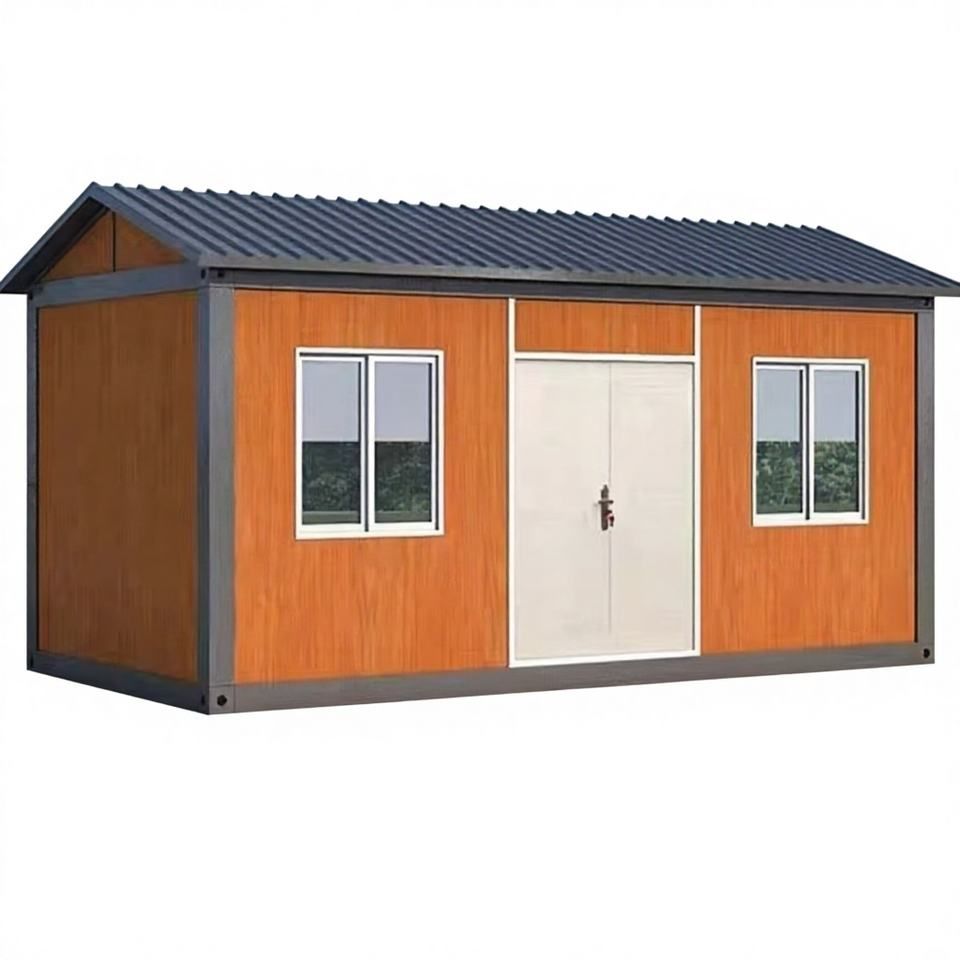
Efficient Construction: Hubei prefabricated houses adopt a factory-based production model. Components such as structures, walls, and pipelines are all manufactured in the factory and then transported to the site for rapid assembly. Compared with traditional cast-in-place buildings, the construction period is significantly shortened, generally by more than 50%. Traditional house-building methods often take 8 to 18 months, while prefabricated houses can be completed in just 3 to 6 months, greatly improving construction efficiency and enabling faster satisfaction of people's residential or usage needs.
Good Performance: Firstly, they have strong adaptability. The modular design allows them to flexibly adapt to different terrain conditions such as mountains, hills, and plains, which is highly compatible with the diverse topography of Hubei. Secondly, they have excellent climate adaptability. With good thermal insulation and moisture-proof properties, they can effectively cope with the rainy and humid climate characteristics of Hubei, providing a comfortable indoor environment for occupants. Thirdly, they have superior seismic performance. Most prefabricated houses adopt light steel structures, which can better absorb and disperse energy during earthquakes, meeting the seismic performance requirements of buildings and ensuring the safety of occupants.
Stable Quality: Since all components of prefabricated houses are produced in a standardized manner in the factory and the production process is subject to strict quality control, there is no quality variation due to differences in workers' skills, ensuring the stability and reliability of the overall building quality.
Environmental Protection and Energy Efficiency: In terms of material selection, high-performance materials such as light steel keels and composite insulation wall panels are used, which not only enhance the overall durability of the building but also significantly improve energy efficiency. At the same time, on-site wet operations are greatly reduced, minimizing environmental pollution and damage during the construction process.
Convenient Installation: On-site installation adopts bolt connections or plug-in installation methods, and assembly can be completed without large machinery, which is particularly suitable for projects in some mountainous areas of Hubei with inconvenient transportation. Moreover, the modular design makes transportation and installation simple, and even customers can complete the assembly within a day if they do it themselves.
Good Scalability: The spatial layout can be flexibly adjusted according to usage needs to meet diverse application scenarios. Whether for residential, office, or commercial purposes, optimal functionality can be achieved through reasonable adjustments.



