
Huanghai Mobile Toilet
The "Huanghai Mobile Toilet" primarily involves two aspects: the rural revitalization project in Longba Village, Batang County, Ganzi Prefecture, Sichuan Province, and the technical standards for mobile toilets.
I. Mobile Toilet Construction in the Rural Revitalization Project
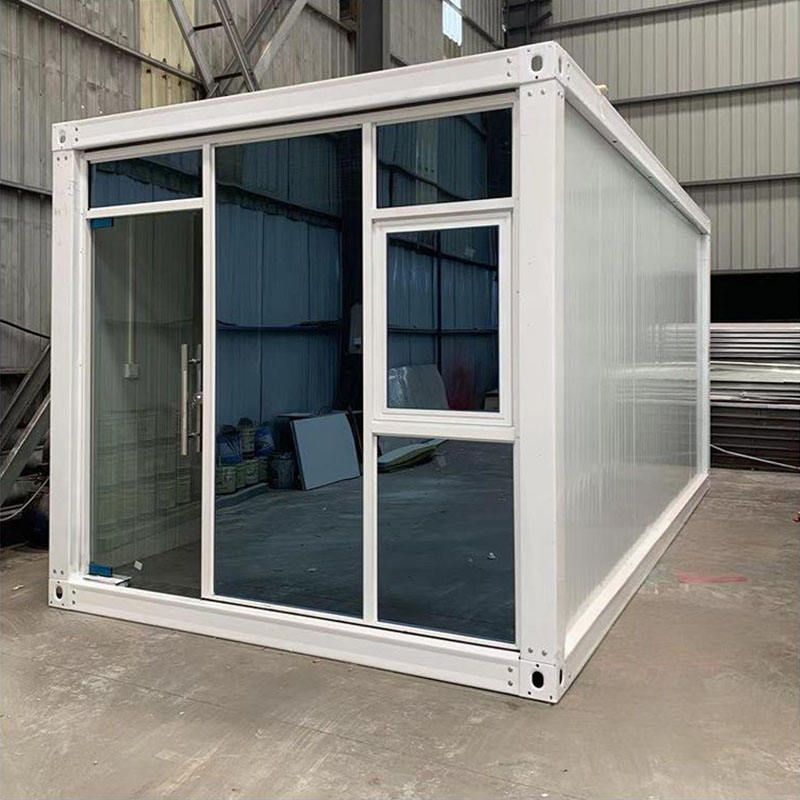
Huang Hai, the first secretary of China Aviation Group stationed in Longba Village, led the local "Toilet Revolution" project. By securing funding support from Air China, the construction of mobile toilets was completed. This project is a component of rural revitalization infrastructure development, aiming to improve sanitary conditions in Longba Village and address the pollution issues associated with traditional dry toilets. The introduction of mobile toilets has not only enhanced the quality of life for villagers but also provided supporting facilities for local cultural阵地 (cultural front) construction, reflecting the deep integration of the "Toilet Revolution" with the rural revitalization strategy. Such projects typically adopt modular designs, facilitating transportation and installation, especially in remote areas with complex terrain and limited construction conditions.
II. Technical Standards and Adaptive Design of Mobile Toilets
The wind and earthquake resistance performance of mobile toilets is a core indicator ensuring their safety. According to industry standards, their wind resistance design must meet wind force standards above Level 10, utilizing steel structure assembly designs with bolts and other components for secure connections, and incorporating ground anchor fixtures to enhance stability. Earthquake resistance design must comply with seismic intensity standards above Level 7, with specific measures including:
- Structural Reinforcement: Employing reinforced concrete ring beams and angle steel-supported walls to form a frame-type lateral force-resisting system;
- Foundation Design: The top surface elevation of the strip beam foundation must be 100-150mm higher than the local average low water level of the Yellow Sea to prevent groundwater erosion;
- Material Selection: Prioritizing the use of lightweight and high-strength materials to reduce the impact of seismic forces.
Additionally, the adaptive design of mobile toilets is reflected in modular combinations and rapid assembly/disassembly, allowing flexible application in scenarios such as construction sites, temporary events, and tourist attractions. For example, rental services provided in Zhongwei include such products and support the addition of equipment like sound systems and tents to meet diverse needs.
III. Project Significance and Technological Extensions
The mobile toilet project led by Huang Hai has not only improved infrastructure in Longba Village but also provided a replicable rural revitalization model for similar regions. Its technical standards reflect the adaptive requirements of mobile toilets in extreme environments, particularly their wind and earthquake resistance designs, which hold significant reference value for ensuring the safety of public facilities. In the future, with advancements in material science and modular technology, the environmental friendliness and intelligence levels of mobile toilets are expected to further improve.



