
How to Write a Prefabricated House Contract
A prefabricated house contract should include the following key elements:
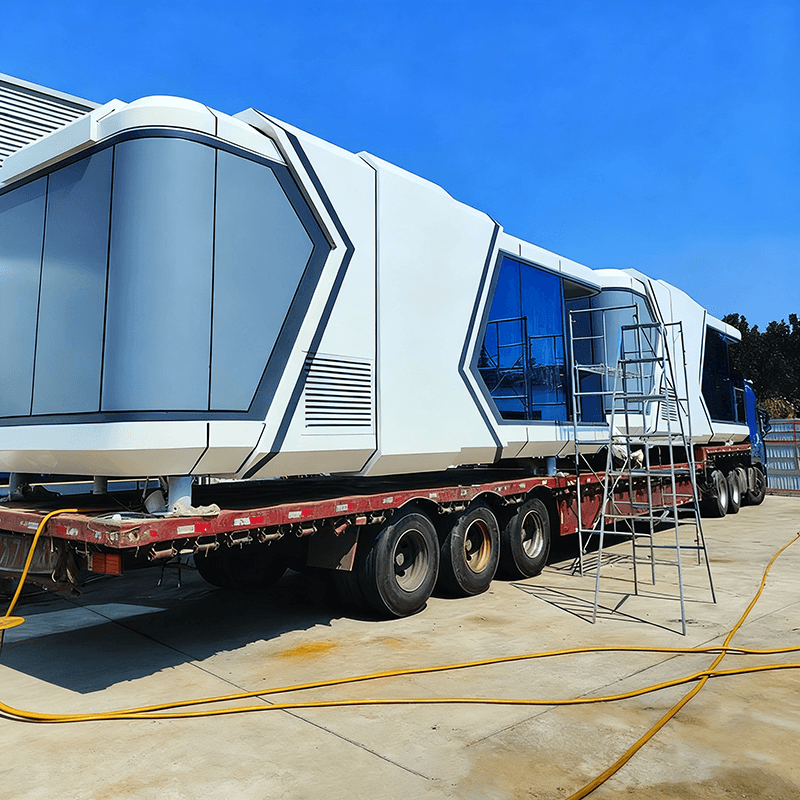
1. Information of Both Parties
Clearly specify the detailed information of Party A (the client) and Party B (the contractor), including names/titles, legal representatives, addresses, contact details, unified social credit codes/ID numbers, etc., to ensure clear and traceable subject identities.
2. Description of the Subject Matter or Services
- Project Overview: Cover the project name, location, house specifications (number of floors, area, dimensions, layout as per design drawings), structural form (e.g., frame structure), wall and roofing materials (e.g., concrete, insulation panels), etc. Design drawings and technical requirements should be attached as contract annexes, with equal validity to the main text.
- Prefabricated Component Requirements: Specify component types (e.g., beams, columns, slabs, walls), quantities (determined as per drawings), quality standards (compliant with national standards and design requirements, with Party B required to provide inspection reports and certificates), and production processes (advanced and reasonable, ensuring production safety).
- Scope of Work: Party B is responsible for the entire process, including mold making for prefabricated components, steel bar processing, concrete pouring, curing, transportation to the site, lifting and installation, and joint treatment.
3. Contract Price and Payment Terms
- Total Price: Specify as a lump sum, covering all costs including production, transportation, installation, and taxes. Unless otherwise agreed in the contract, Party A is not required to make additional payments.
- Payment Milestones: For example, an advance payment (e.g., 30% of the total price) within X days after contract signing, and the remaining balance within X days after acceptance, with clear payment account information provided.
4. Quality and Acceptance Standards
- Quality Requirements: Party B must produce in accordance with national standards and industry regulations, ensuring components are defect-free. Party B assumes full responsibility for quality issues.
- Acceptance Process: Party A should conduct acceptance within X days after delivery, with acceptance standards based on national regulations and contract agreements. Any issues found must be raised within the specified period, and Party B is responsible for rectification.
5. Delivery and Transportation Terms
- Delivery Deadline: Complete delivery within X days after contract effectiveness.
- Transportation Responsibility: Party B is responsible for packaging (in compliance with industry standards), selecting transportation methods, and bearing costs, ensuring components are undamaged.
6. Liability for Breach of Contract
Specify liability for late delivery or payment, such as daily liquidated damages (e.g., 0.1% of the total contract price) or compensation for actual losses incurred by the other party.
7. Dispute Resolution
Prioritize negotiation for resolution. If negotiation fails, litigation may be initiated in the court at the contract signing location.
8. Other Clauses
- Number of contract copies (two copies, one for each party), effectiveness conditions (effective upon signature and seal).
- Any matters not covered may be addressed in supplementary agreements, which have equal validity to this contract.
The contract should be written with precision to avoid ambiguity and may be reviewed by legal professionals if necessary.



