
How to Waterproof Container Houses
Waterproofing container houses requires a comprehensive approach involving material selection, construction techniques, joint treatment, and post-maintenance.
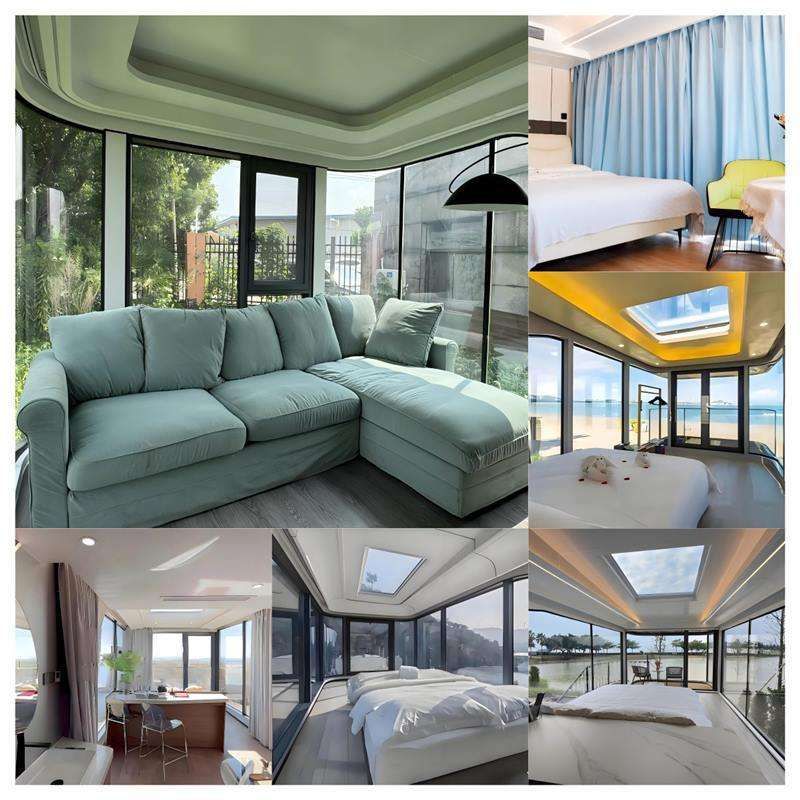
Material Selection: The foundation of waterproofing container houses lies in the materials used. Coatings with waterproof, anti-corrosion, and weather-resistant properties should be selected, such as water-based high-chlorination coatings. These coatings have dense, water-blocking films that are resistant to acids, alkalis, and salt spray, effectively delaying the rusting and aging of the base material, making them suitable for roof waterproofing and container anti-corrosion. Additionally, the container panels themselves must undergo rust removal and anti-corrosion treatment to ensure the quality of the base material.
Construction Techniques: Waterproofing construction must be meticulous. The roof can be coated with waterproof adhesive to extend its service life. Critical areas such as panel joints, window and door closures, and roof splices should be fully sealed with waterproof membranes and sealants to ensure continuous, leak-free joints. A reasonable drainage slope should be designed to allow panels to overlap in the direction of water flow, preventing water accumulation. In rainy southern regions or island environments, the waterproofing techniques for roofs and corners should be reinforced.
Joint Treatment: Leakage in container houses often occurs at panel joints, window and door closures, and other locations. During construction, ensure the even application of structural or sealant adhesives without omissions. After bending the iron sheet layer at the top of the container, the joints at both ends should be sealed with structural adhesive. The moisture barrier film must be properly adhered to ensure tightness and prevent leakage.
Post-Maintenance: Waterproof sealing is not a one-time solution; regular inspection and maintenance are required. It is recommended to replace the sealant around windows and doors, container panel joints, and roof gutters every 5-7 years. Clear roof debris annually and strictly prevent water accumulation on the roof to prevent steel plate corrosion. Additionally, inspect welds, corners, bases, eaves, and other areas regularly. If small rust spots are found, sand and repaint them immediately to prevent rust expansion from affecting waterproof performance.



