
How to Solve Electricity Issues in Container Houses
The electricity in container houses is mainly solved through building-integrated photovoltaic (BIPV) technology, energy storage system power distribution, and rational circuit system design. Details are as follows:
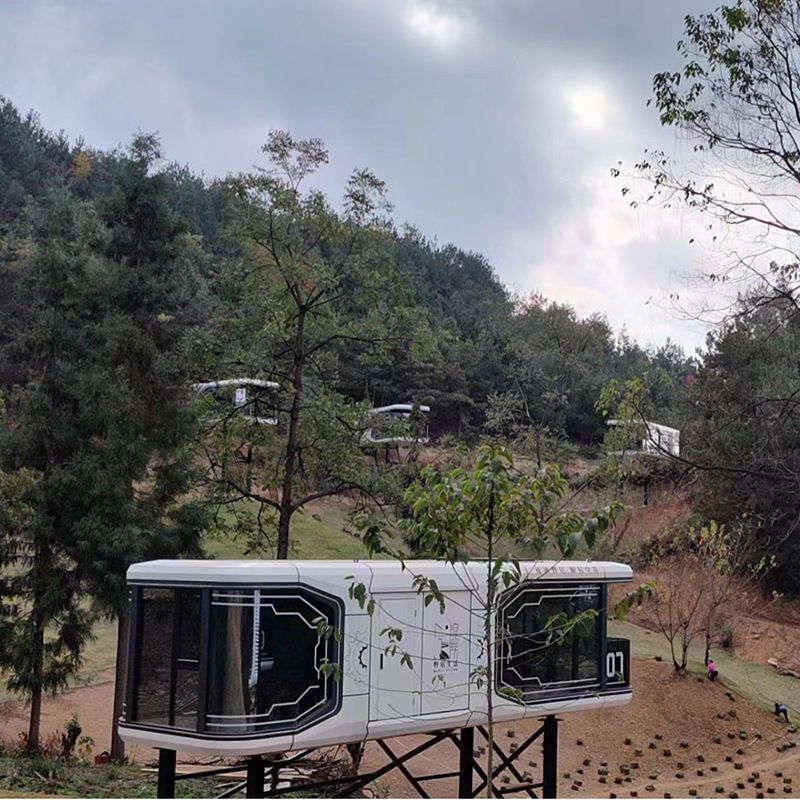
Building-Integrated Photovoltaic (BIPV) Technology
Flexible photovoltaic panels are installed on the roof and side walls of container houses, seamlessly integrating with the container structure. For example, photovoltaic tiles can be used instead of traditional color-steel tiles. This BIPV technology can convert solar energy into electricity, meeting the basic electricity needs for lighting and household appliances inside container houses. Moreover, the surplus electricity can be stored in energy storage batteries, such as lithium iron phosphate batteries, enabling off-peak energy utilization and reducing reliance on traditional thermal power.
Energy Storage System Power Distribution
The energy storage system power distribution in container houses is an integrated solution for power storage and distribution within the container. Its core component is the battery pack, which stores electrical energy. The battery management system (BMS) is responsible for monitoring and managing the battery status to ensure safe and stable operation. The energy storage inverter system converts the direct current stored in the battery pack into alternating current for use. Additionally, an AC power distribution integrated box is equipped, taking into account the three-phase balance of the electrical load, and connecting power supply circuits for air conditioners, container fans, lighting equipment, etc.
Rational Circuit System Design
Some professional container house manufacturers pre-install standardized power distribution circuits, supporting plug-and-play for air conditioners, lighting equipment, etc. For example, Shandong Guoheng Intelligent Manufacturing Co., Ltd. considers the layout of the circuit system during the design of its products, allowing various electrical appliances to be easily connected inside the container house to meet different electricity needs. Furthermore, by installing smart sensors, it can monitor electricity consumption data in real-time, aggregate and analyze the data through a cloud platform, automatically identify abnormal energy consumption, and help users adjust their electricity usage behavior in a timely manner to improve energy efficiency.



