
Volver al blog
Artículo
How to Replace a Container House Door
Admin 16 de septiembre de 2026
Replacing a container house door requires following standardized procedures to ensure installation quality and sealing performance. The specific steps are as follows:
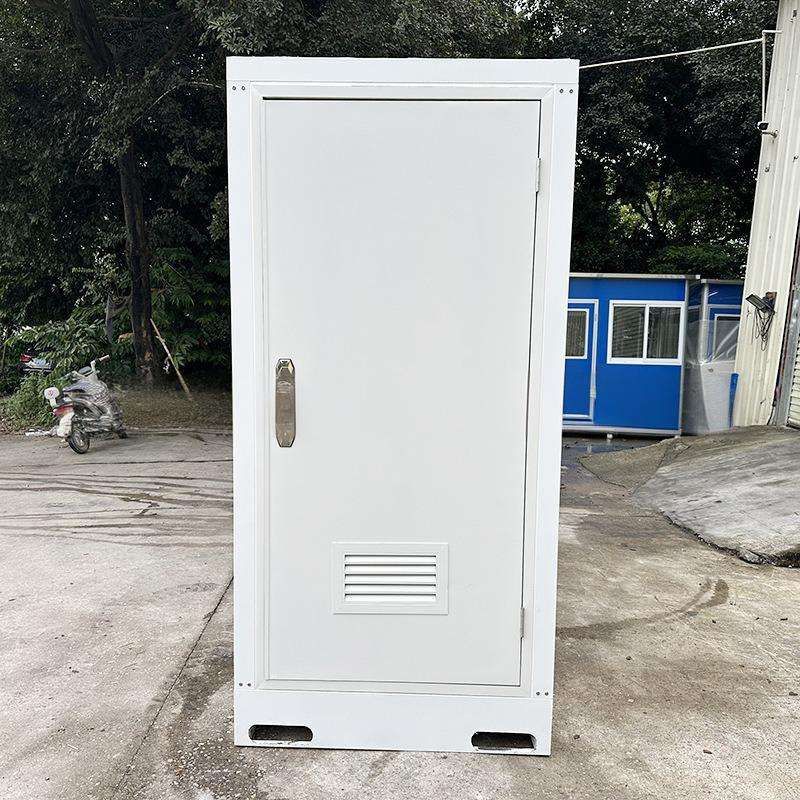
1. Determine New Door Specifications
- Size Matching: Measure the width, height, and thickness of the original door to ensure the new door matches the container door frame exactly, avoiding installation difficulties or sealing failures due to size discrepancies.
- Material Selection: Prioritize weathering steel doors that match the container body material, as their corrosion resistance and structural strength align with the main container, extending overall service life. If special functions (such as fire resistance or sound insulation) are required, confirm material compatibility.
- Model Confirmation: Select the appropriate door model based on the container type (e.g., standard container, refrigerated container) to ensure hinges, locks, and other accessories fit the original structure.
2. Remove the Old Door
- Tool Preparation: Use a wrench to remove fixed bolts and a cutting machine for stubborn welds (wear protective gear).
- Operation Points:
- Remove hinges, locks, and other connectors one by one, avoiding forced pulling that could deform the door frame.
- When removing the old door, two people should collaborate to prevent the door from falling and damaging the container.
- Clean the Door Frame:
- Remove rust, residual sealant, and debris from the door frame surface, sanding or grinding with an angle grinder until smooth and flat to ensure no protrusions or depressions on the new door installation surface.
- Check if the door frame welds are intact; repair any cracks by welding.
3. Install the New Door
- Positioning and Adjustment: Align the new door with the door frame and use a level to calibrate the door's verticality and horizontality, ensuring smooth opening and closing without jamming.
- Fixed Connection:
- Use bolts or hinges of the original specifications to fix the door, tightening all connection points evenly to avoid localized stress concentration that could deform the door.
- If welding is required for fixation, have it done by a professional to prevent welds from affecting the container's structural strength.
- Function Testing: Repeatedly open and close the door to check if the hinges rotate flexibly, if the locks close tightly, and if the door gap is uniform (recommended ≤5mm).
4. Sealing and Rust Prevention Treatment
- Sealing Enhancement:
- Attach EPDM rubber sealing strips to the contact surface between the door frame and door leaf, cutting the corners at a 45° angle for对接 (butt joint) to ensure continuous sealing.
- Fill the door gap with polyurethane sealant to prevent rainwater infiltration.
- Rust Protection:
- Clean oil stains from the door surface and apply two coats of epoxy zinc-rich primer (dry film thickness ≥80μm) to enhance corrosion resistance.
- After the primer dries, spray an acrylic topcoat matching the container color, with a thickness ≥40μm, to maintain a uniform appearance.
Precautions: Disconnect the power and shut off the gas source inside the container before operation to avoid safety hazards; if the replacement process involves structural modifications to the container, consult the container manufacturer or a professional engineer in advance.
Relacionados



