
How to Purchase Mobile Toilets
The procurement of mobile toilets should be carried out from four aspects: clarifying requirements, selecting suppliers, focusing on key product features, and obtaining procurement documents and submitting response documents.
Clarify Procurement Requirements
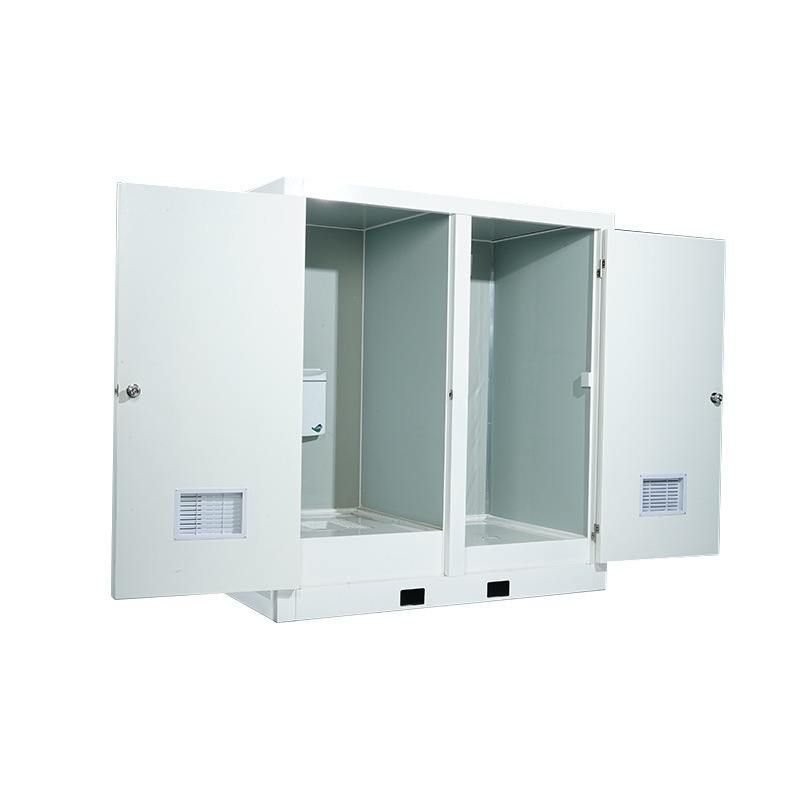
Determine the type, functionality, and quantity of mobile toilets required based on the usage scenario. For example, construction sites may prioritize durability and sewage disposal capabilities, opting for toilets equipped with sewage storage tanks, water-flush or packaged sewage disposal systems. Exhibitions may focus more on convenience and appearance, choosing lightweight, easily movable, and aesthetically pleasing models. Scenic areas need to consider tourist traffic, plan the number of toilets reasonably, and equip them with facilities such as urinals and toilets to meet the needs of different tourists.
Select Suppliers
- Examine Supplier Qualifications: Suppliers must comply with relevant laws and regulations and possess corresponding qualifications issued by construction administrative authorities, such as a Grade III (inclusive) or higher qualification for general contracting of construction projects, or comprehensive construction qualifications, or a Grade B (inclusive) or higher qualification for general contracting of construction projects, along with a valid safety production license.
- Understand Supplier Reputation: Gain a comprehensive understanding of product quality and service levels by reviewing suppliers' transaction records, repeat business rates, and user reviews, selecting suppliers with a good reputation.
- Assess Supplier Capabilities: Evaluate suppliers' strengths in terms of personnel, equipment, and funding, as well as their ability to provide after-sales and customization services, such as nationwide warranty, door-to-door delivery, 24-hour after-sales service response, spare parts inventory, and support for customization of product dimensions, colors, and functions.
Focus on Key Product Features
- Material and Structural Craftsmanship: Common materials include stainless steel, fiberglass, and metal sandwich panels. Stainless steel is corrosion-resistant and easy to clean, suitable for long-term use and scenarios with high hygiene standards. Fiberglass is molded as a whole, waterproof and moisture-proof, with relatively high cost-effectiveness. Metal sandwich panels have the lowest cost but poor corrosion resistance, are prone to rust, and are difficult to clean. When purchasing, focus on examining material thickness, welding techniques, and surface treatment processes.
- Odor and Slip Resistance Design: For odor control, pay attention to the ventilation system, sewage disposal method, and internal structural sealing. For slip resistance, focus on the floor material and slope to ensure smooth drainage and prevent water accumulation.
Obtain Procurement Documents and Submit Response Documents
If procuring through competitive negotiation or other methods, obtain procurement documents at the specified time and location and prepare and submit response documents as required, such as including scanned copies of qualification certificates, safety production licenses, relevant certificates of the project leader, and social security payment proofs in the response documents.



