
Volver al blog
Artículo
How to Make Mini Prefab Houses
Admin 19 de septiembre de 2026
The methods for making mini prefab houses vary depending on the type. Here are the making methods for several common types:
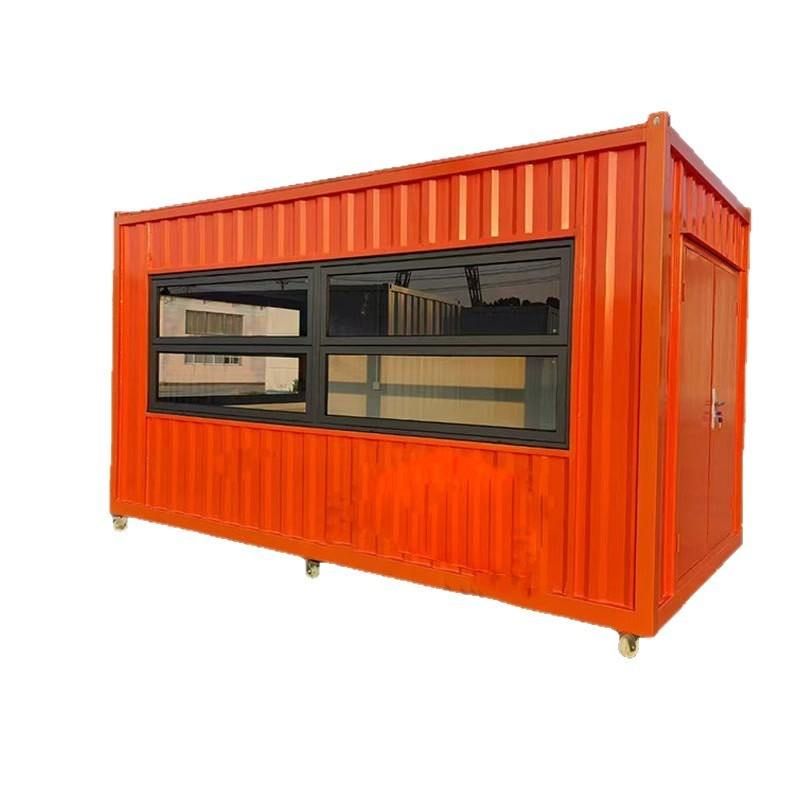
Cardboard or Paperboard Mini Houses Cardboard or paperboard is a common material for making mini houses, being low-cost and easy to work with.
- Making with Three Sheets of Cardboard: First, build the support structure of the house using cardboard, forming the basic framework through folding or joining. Then, raise certain areas to distinguish different functional spaces (such as bedrooms and living rooms). Next, use white paper to divide the internal areas, make stairs, and place them in appropriate positions. Place bathtub and sink models in the shower area, and make cabinets and arrange tableware in the kitchen area. For the bedroom, stick paper with a floor texture, place furniture such as tables, stools, and sofas, and finally install table lamps and small beds for decoration.
- Making by Overall Cutting of Paperboard: First, draw the outline of the house's main structure on the paperboard, and use a cutter to precisely cut out components such as walls and roofs along the marked lines. Brush a layer of glue on the surface of the walls and stick a circle of prepared kraft paper to enhance the structural strength. Turn it over and stick details such as window railings. After the main body is completed, assemble it: apply glue on the base, vertically fix the main body of the house, and then stick the roof. Roll kraft paper into cylinders and stick them around the base as support columns. Add a small balcony structure, and trim the edges of the eaves with paperboard strips. Finally, build an independent base, stick the whole house on it, and place two ladders to connect areas of different heights.
- Building a Two-Story Villa with Paperboard: First, complete the basic framework construction of the two-story house using paperboard, and stick favorite wallpapers on the surface of the walls to simulate real walls. In the kitchen area, make a refrigerator model and place drinks, install cabinets with handles, and make cooking utensils such as pots and pans; decorate flower pots with flowers cut from colored paper. Arrange a table and two chairs to complete the kitchen layout. Build stairs to connect the upper and lower floors. In the bedroom area, make bow-knot pillows and place them on the bed, arrange books on the bookshelf, and hang a clock model. If the design includes a swimming pool, use blue paper to simulate the water surface; for the garage area, make vehicle models with paperboard and park them there.
Reference to Modular Construction Principles (Scaled-Down Application for Large Prefab Houses) The core of modular construction is to break down a house into independent modules and complete standardized manufacturing in a factory. Although usually used for large buildings, the principle can be transferred to the making of mini houses:
- Module Prefabrication: Divide the house into independent modules such as ceilings, floors, walls (including doors and windows), and water and electricity pipelines, and mass-produce them in a factory using lightweight materials (such as plastic and foam boards). Each module needs to have reserved connection interfaces to ensure precise对接 (docking) during assembly.
- On-Site Assembly: Transport the prefabricated modules to the making site and assemble them one by one like building blocks. First, fix the bottom-layer modules (such as floors), then vertically stack the wall modules, and finally install the roof modules. The water and electricity pipeline modules need to have their routes designed in advance, and the electrical circuits and water pipelines are connected through quick connectors during assembly.
- Detail Decoration: After assembly is completed, stick wallpapers and floor stickers on the surface of the modules, install furniture models (such as sofas and beds), and add decorative items such as lamps and curtains to make the mini house more realistic.
Relacionados



