
How to Make a Mobile Toilet
The process of making a mobile toilet varies depending on different design ideas and material choices, mainly including the following methods:
Making a Portable Toilet Using a Water Storage Barrel
This method is relatively simple and suitable for individuals or small-scale production. First, prepare a water storage barrel of an appropriate size as the main container for storing sewage. Then, install a lid with a toilet seat ring on top of the water storage barrel, ensuring a good seal between the lid and the barrel to prevent odor from escaping. Next, place a clean water barrel beside it to provide flushing water. Connect it to the toilet through a simple piping and valve system to achieve the flushing function. In addition, a small solar panel can be installed on the outside of the toilet to power the internal lighting equipment, such as the solar-powered mobile toilet made by Xiaoshuai, which is both environmentally friendly and practical.
Making a Portable Toilet Using a Water Storage Tank and a Pallet
This method requires some hands-on skills and tools. First, prepare a plastic pallet as the base, ensuring it is sturdy enough to support the weight of the entire toilet. Then, use tools to fix universal wheels at each of the four corners on the bottom of the pallet, allowing the toilet to be easily moved. Next, place the water storage tank on the pallet as a sewage storage device and install a toilet on top of it. At the same time, set up a clean water barrel and a simple flushing system on one side of the pallet. To increase the stability and comfort of the toilet, simple barriers or curtains can also be installed around it.
Factory-Prefabricated Finished Mobile Toilets
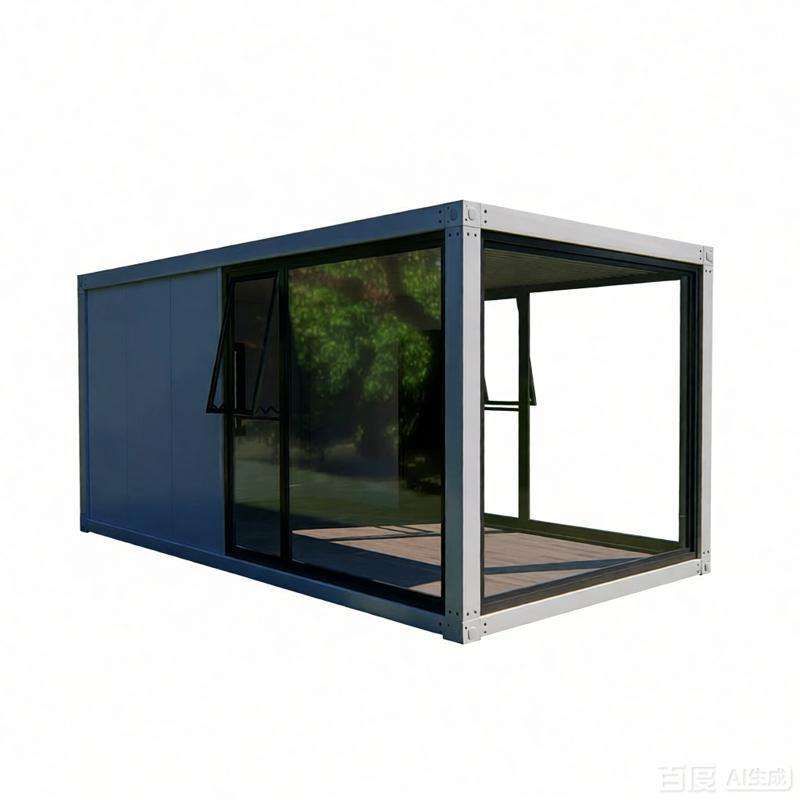
This is the most professional and efficient method, usually carried out by professional factories. First, use steel to weld a frame structure. The bottom is generally welded with channel steel or I-beams to ensure sufficient strength and stability; the columns are made of square steel to provide support for the walls. Then, install wall materials on the wall foundation, such as color steel plates, fiberglass, stainless steel, or metal carved plates. These materials are not only aesthetically pleasing and durable but also easy to clean and maintain. Finally, install doors, windows, toilets, sinks, and other facilities according to requirements, and ensure that the entire frame structure meets the lifting requirements for easy transportation and installation.



