
How to Keep Container Houses Warm
Container houses can achieve warmth through the selection of high-quality insulation materials, optimization of wall structures, adoption of underfloor heating systems, and the use of new energy solutions. Specific measures are as follows:
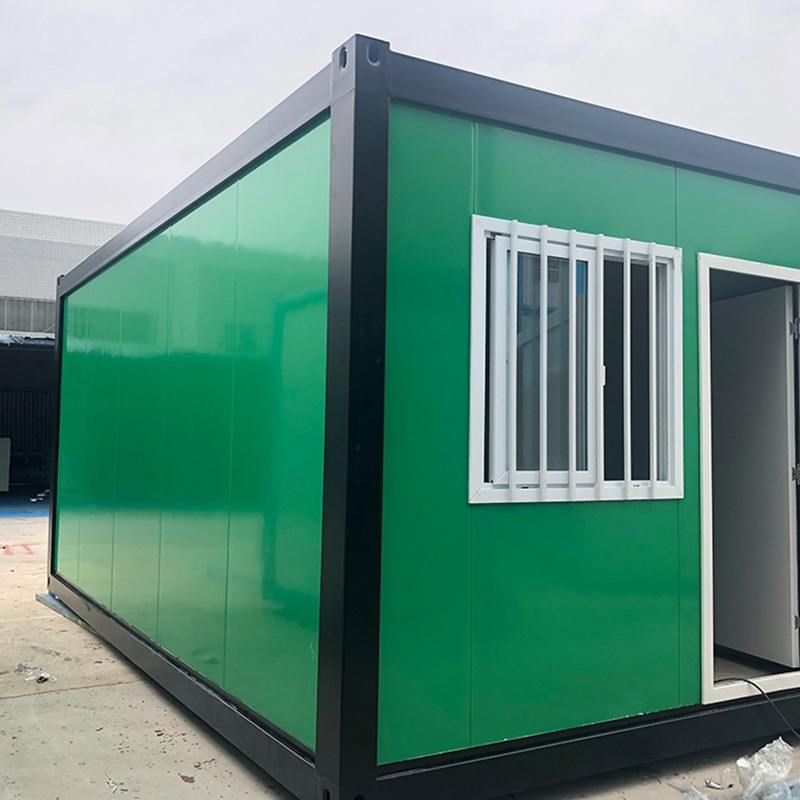
1. Selection and Application of Insulation Materials
Exterior wall insulation is crucial. Materials such as EPS (expanded polystyrene) boards, rock wool boards, polyurethane boards, or foam polystyrene boards can be selected. These materials effectively block heat conduction and reduce heat loss. Interior wall insulation can adopt closed insulation methods, such as using rock wool, expanded perlite boards, or enhancing insulation performance through plastering, clay walls, or wood board spraying. For example, residential container houses typically adopt a structure consisting of an outer layer of anti-corrosion color-coated steel plate, an intermediate layer of over 50mm polyurethane foam, an inner layer of fire-resistant gypsum board, and a moisture barrier. The wall heat transfer coefficient is ≤0.45W/(㎡·K), and the insulation efficiency is 1.8 times that of traditional brick-and-mortar walls.
2. Optimization of Wall Structures
The thermal performance of container houses relies on three key structural layers: the outer layer reflects sunlight, the middle layer blocks heat conduction, and the inner layer controls humidity and stabilizes temperature. For example, sandwich panels with aluminum foil reflective layers, combined with adjustable sunshades and bottom ventilation slots, can significantly reduce the rate of temperature increase inside the cabin in summer. In winter, after being closed for 8 hours, the indoor temperature only drops by 1.3℃, providing a more stable and comfortable environment.
3. Upgrading of Heating Systems
Traditional "solar heating + air-source heat pump" solutions suffer from large temperature fluctuations and reliance on the power grid. Improved solutions include:
- Replacing ordinary solar collectors with new photovoltaic-thermal panels to achieve simultaneous power generation and heat production;
- Changing from radiator heating to an underfloor heating system, reducing indoor temperature fluctuations from 78% to 12.5%, decreasing electricity consumption to 674.7 kWh/year, and nearly halving carbon emissions.
4. Enhancement of Insulation and Sealing
- Increase foam thickness or use rock wool to enhance insulation effects;
- Ensure the sealing of doors and windows to reduce cold air infiltration;
- Adopt a double-layer container structure or a design with widened floor-to-ceiling windows and a sloped roof to optimize lighting and ventilation, thereby reducing energy consumption.



