
Volver al blog
Artículo
How to Dismantle Container Houses
Admin 17 de septiembre de 2026
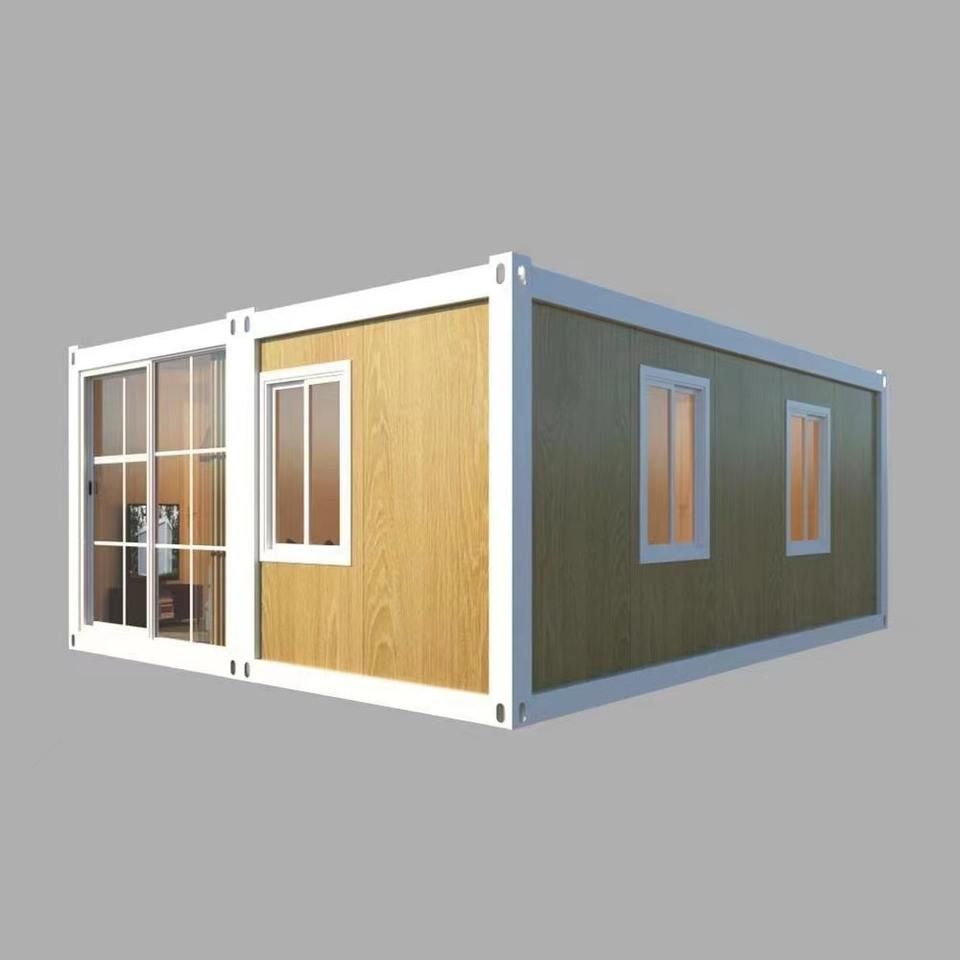
The dismantling of container houses should follow the principles of safety, orderliness, and recyclability. It is recommended that professional personnel carry out the operation to ensure efficiency and environmental protection.
I. Planning and Preparation
- Plan Preparation and Approval: A specialized safety construction plan must be prepared, specifying the dismantling steps, personnel assignments, and emergency measures, and approved by relevant departments.
- Site Clearance and Alert: Remove obstacles and flammable or explosive materials, and set up alert zones to prevent unauthorized access.
- Structural Assessment: Inspect the container for deformation, corrosion, or damage, and develop a targeted dismantling plan. For example, if severe corrosion is present, prioritize treatment of the corroded areas to prevent breakage during dismantling.
II. Standard Dismantling Process
- Dismantling Sequence: Follow the reverse order principle of “from top to bottom, from outside to inside”. First, remove wall and roof panels, then purlins and high-strength bolts, and finally, embedded bolts and steel plates.
- Tool Selection:
- General Tools: Wrenches (open-end, adjustable, socket), screwdrivers, Allen wrenches, pliers, rubber mallets, electric screwdrivers or drills (low-speed setting), tape measures, and spirit levels.
- Specialized Equipment: Depending on site conditions, choose gantry cranes, container forklifts, reach stackers, or straddle carriers to ensure stable lifting.
III. Safety Protection Measures
- Personal Protection: Workers must wear safety helmets, protective goggles, earplugs, gloves, and safety harnesses for high-altitude work.
- High-Altitude Work Protection: Set up scaffolding and safety nets to prevent personnel or tools from falling.
- Weather Restrictions: Do not operate in adverse weather conditions such as strong winds, rain, or snow to avoid loss of control of lifting equipment or material slippage.
IV. Material Handling and Resource Reuse
- Sorting and Recycling: Sort reusable materials such as metals, wood, and plastics for storage, and dispose of non-reusable materials according to environmental requirements.
- Advantages of Modular Design: Modular or foldable container houses can be disassembled into standardized components for easy subsequent assembly or recycling, improving resource utilization.
V. Considerations for Special Types of Container Houses
- Double-Decker Container Houses: Dismantle the upper level and its fixtures first, then handle the lower level, taking care to prevent vibrations that could destabilize the lower structure.
- Foldable Container Houses: It is recommended to use specialized equipment (such as dismantling machinery provided by Qinghai Guangzan Light Steel) to assist in operation, avoiding inefficiencies or safety hazards associated with manual dismantling.
Summary: The dismantling of container houses must strictly follow procedural norms, with emphasis on safety protection and material recycling. Professional operation can significantly improve efficiency and reduce environmental impact.
Relacionados



