
Volver al blog
Artículo
How to Choose Environmental-Friendly Mobile Toilets
Admin 02 de octubre de 2026
Choosing environmental-friendly mobile toilets requires comprehensive consideration of usage scenarios, material craftsmanship, and sewage disposal methods. Here are the specific approaches:
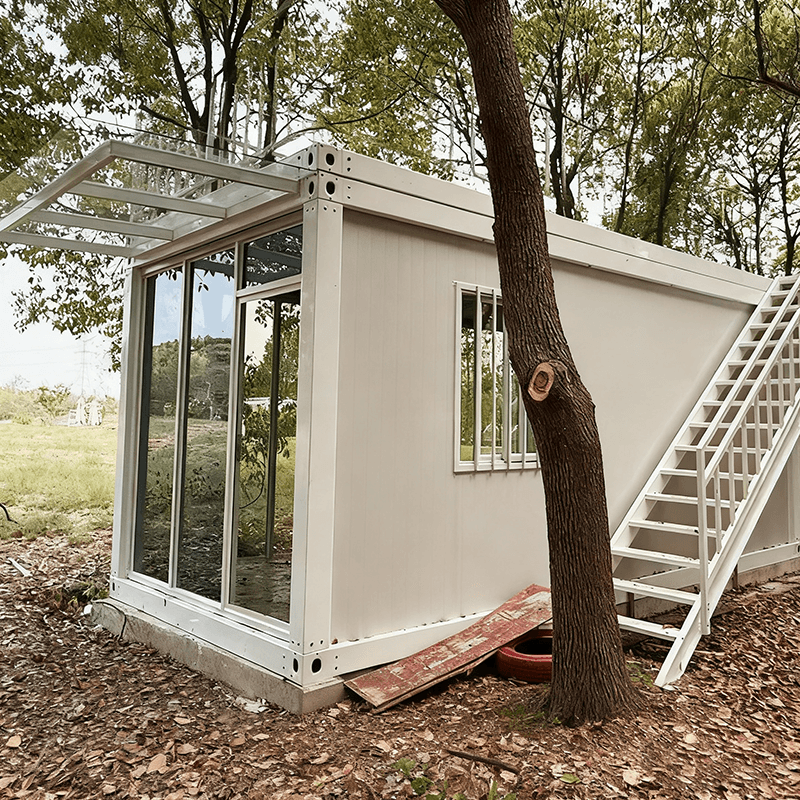
1. Select Models Based on Usage Scenarios
Different scenarios have significantly different functional requirements for mobile toilets, necessitating targeted selection:
- Construction sites, temporary construction areas, short-term events: Prioritize simple steel-structured mobile toilets. These have a sturdy structure, are easy to assemble and disassemble, can be repeatedly transported, meet the needs of temporary and high-turnover usage, and have relatively low costs.
- Scenic spots, parks, municipal roads, cultural and tourism parks: Recommend prefabricated landscape mobile toilets. These toilets have a simple and elegant appearance, good sealing properties, can effectively reduce odor accumulation, are suitable for long-term outdoor placement, and have high coordination with the surrounding environment.
- Rural outdoors, camping bases, sites without sewer networks: Choose sewer-free ecological mobile toilets. These do not require complex civil engineering construction, have reasonable sewage disposal designs (such as using microbial degradation, packaging-type treatment technologies, etc.), are leak-proof and easy to clean, and can significantly reduce later maintenance costs.
- Large-scale temporary events such as sports events, exhibitions, and team-building activities: It is advisable to select multi-compartment mobile public toilets. These have a sufficient number of squatting positions (usually 4-10), have high personnel turnover efficiency, and can effectively alleviate toilet shortages during peak periods.
2. Focus on Material Craftsmanship
Material craftsmanship directly affects the durability, safety, and user experience of the toilets:
- Main frame: High-quality products use hot-dip galvanized square steel welded frames, which have strong wind, sun, and corrosion resistance, are not prone to paint peeling and rusting during long-term outdoor placement, and have a service life of over 10 years.
- Exterior wall panels:
- Metal carved panels: These provide thermal insulation, waterproofing, and corrosion resistance, have a good appearance texture, and are suitable for scenarios such as municipalities and scenic spots with high aesthetic requirements.
- Color steel panels: These are lightweight and cost-effective but have relatively weak corrosion resistance, making them suitable for short-term temporary use at construction sites.
- Landscape modeling panels: These enhance appearance through wood and stone imitation processes and are suitable for characteristic scenarios such as gardens and cultural and tourism scenic spots.
- Internal configurations: Basic configurations should be complete, including slip-resistant and wear-resistant floors (such as PVC or slip-resistant tiles), odor-proof ceramic sanitary ware (such as siphon toilets), ventilation and air exchange equipment (such as exhaust fans or fresh air systems), energy-saving lighting (LED lights), as well as privacy door locks and storage hooks. It is necessary to pay special attention to sealing processes (such as door seam sealing strips) and odor-proof designs (such as U-shaped traps) to prevent odor diffusion.
3. Select Sewage Disposal Methods According to Site Conditions
Sewage disposal methods need to match the site's sewer network conditions; otherwise, it may lead to operational and maintenance difficulties:
- Sites with municipal sewer networks: Water-flush direct-discharge types can be selected, which are directly connected to the municipal sewage system through pipelines, have high treatment efficiency, but require reasonable pipeline slopes.
- Sites without sewer networks: Sewer-free ecological mobile toilets must be selected. Common technologies include:
- Microbial degradation: This uses bacterial strains to decompose feces, requires no water, and is suitable for arid or water-scarce regions.
- Packaging-type treatment: This collects excreta through biodegradable film bags, which are replaced regularly and are simple to operate.
- Fecal storage tank types: These are equipped with large-capacity fecal storage tanks and require regular pumping, suitable for scenarios with moderate pedestrian traffic.
- High-altitude cold or water-scarce regions: Foam-blocking types should be prioritized, which cover excreta with foaming liquid, reduce odors, and save water, but require regular replenishment of foaming liquid.
Relacionados



