
How to Calculate the Cost of Prefabricated Houses
The cost of prefabricated houses is usually calculated based on area, with the total price determined per square meter. The specific cost is influenced by factors such as structural type, region, design complexity, and supporting facilities.
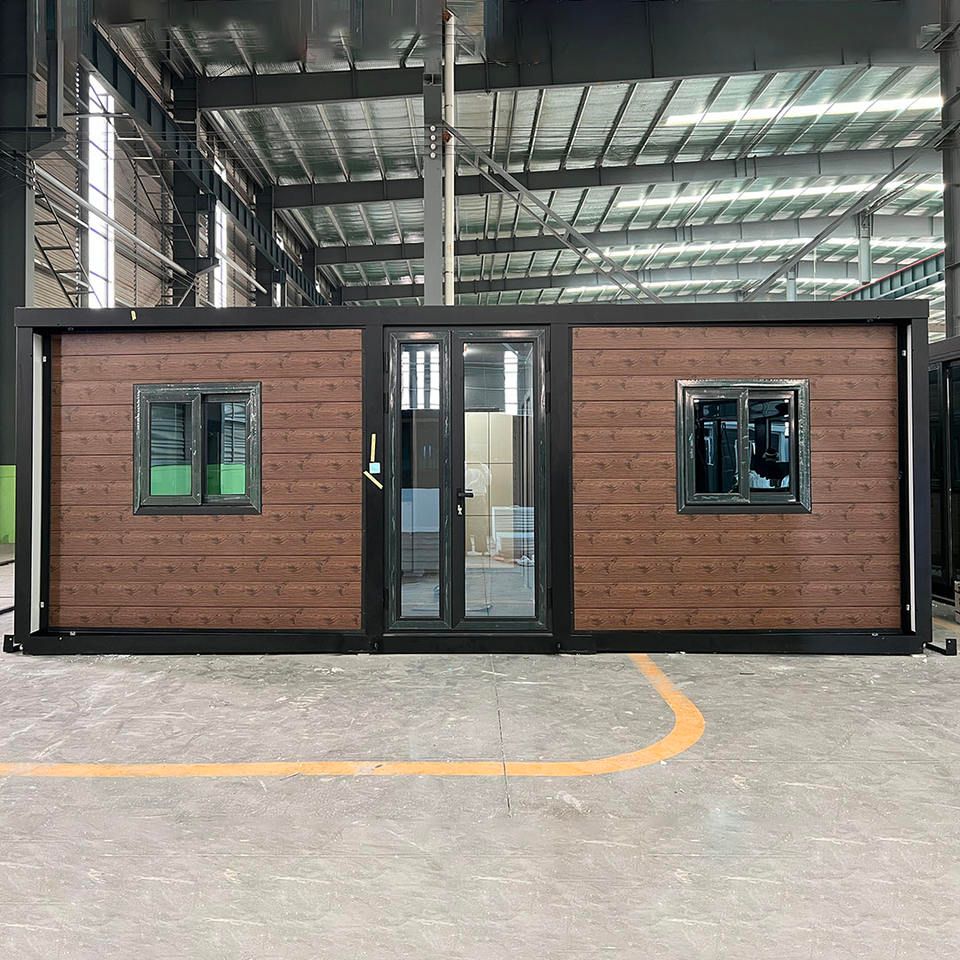
I. Basic Cost and Structural Type
The unit area cost of prefabricated houses varies significantly depending on the structural type:
- Light steel structure: The cost per square meter ranges from 1,500 to 2,500 yuan. It is suitable for low-rise residential buildings or temporary structures, featuring fast construction and light weight.
- Wooden structure: The cost per square meter ranges from 2,000 to 3,500 yuan. It is commonly used for villas or vacation homes, with considerations for wood preservation and fire prevention treatment costs.
- Concrete structure: The cost per square meter ranges from 3,000 to 4,000 yuan. It is suitable for high-rise or multi-story buildings, offering strong structural stability but with a longer construction period.
The formula for calculating the total house price is: Total Price = Building Area × Unit Area Cost. For example, a 200-square-meter prefabricated house in rural Henan, with a unit price of 300 yuan per square meter (including basic structure, exterior wall insulation, and simple decoration), would have a total price ranging from approximately 60,000 to 80,000 yuan. If materials are upgraded or more complex designs are added, the unit price may increase to over 500 yuan per square meter.
II. Cost Composition and Regional Differences
The unit area cost typically includes expenses for structural components, transportation, assembly, and foundation construction. Regional differences are a key factor affecting prices:
- In remote areas, increased transportation distances may lead to a 5%-15% increase in the unit area cost.
- Differences in labor costs also impact the total price. For example, assembly costs in first-tier cities may differ by 20%-30% compared to those in third- and fourth-tier cities.
Taking exported overseas prefabricated houses as an example, each set costs approximately 200,000 yuan, with factory profits accounting for only 10%-12%. The remaining costs are for packaging, sea freight, and insurance. After arrival at European and American ports, additional "hidden construction costs" such as lifting fees and foundation construction fees are incurred, potentially resulting in a final selling price exceeding one million dollars.
III. Design Complexity and Supporting Facilities
Design complexity directly affects the cost of custom components:
- Special-shaped structures, high-rise buildings, or special functional requirements (such as earthquake resistance and energy efficiency) may require an additional 10%-20% budget.
- Supporting facilities such as pre-embedded water and electricity pipelines, door and window installations, and other value-added services may cause the total price to exceed the basic cost range. For example, a prefabricated house with a smart home system may see an increase in unit area cost of 300-500 yuan.
Additionally, if rapid delivery or full-process services (such as integrated design, construction, and after-sales) are required, the total price may further increase by 15%-25%.



