
How to Buy a Container House as an Individual
When purchasing a container house as an individual, it is essential to consider factors such as budget, needs, regulations, and supplier reliability. The price range typically varies from 5,000 yuan to tens of thousands of yuan, depending on the material, size, and configuration.
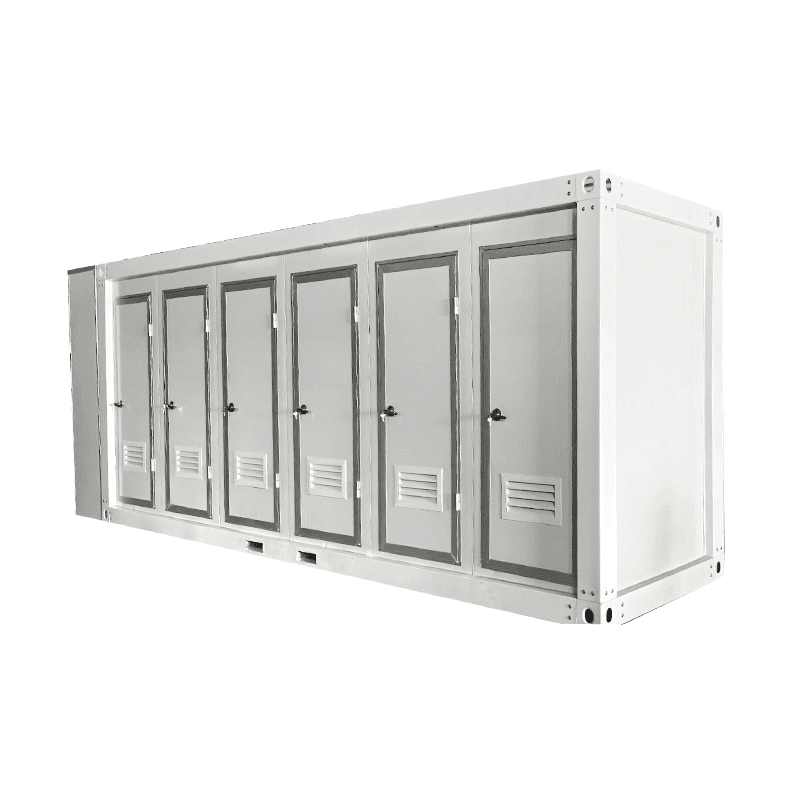
1. Define Your Budget and Needs
The price of container houses is significantly influenced by materials, size, and configuration. Basic models (e.g., a standard 6m x 3m container) cost approximately 5,000-12,000 yuan and are suitable for construction site dormitories or temporary offices. High-end customized models (e.g., with interior decoration, insulation, and double-glazed windows) can cost 20,000-30,000 yuan or more, making them ideal for long-term residence or commercial use. Determine your budget range based on the intended use (residential/office/commercial), the number of occupants, and functional requirements (e.g., water and electricity, restrooms).
2. Choose a Reliable Supplier
Prioritize manufacturers with production qualifications and extensive experience, such as specialized enterprises like Qinghai Guangzan Light Steel. These suppliers can offer customized designs, high-quality materials, and after-sales service. Check supplier reputation, case studies, and user reviews on platforms like Alibaba to avoid choosing low-cost but unreliable manufacturers.
3. Focus on Quality and Performance
- Materials and Structure: Confirm the container material (e.g., ordinary steel, light steel) and thickness to ensure structural stability and resistance to wind and earthquakes.
- Sealing and Insulation: Inspect waterproofing and insulation performance to prevent leaks or excessive heat during summer.
- Mobility: If relocation is necessary, choose a modular design that is easy to lift and transport.
4. Comply with Regulations and Standards
Before purchasing, understand local building codes, land use regulations, and requirements for constructing container houses (e.g., whether building permits are required). Some regions impose height and area restrictions on temporary structures, so confirm compliance in advance.
5. Consider Post-Purchase Maintenance and Use
- Infrastructure: Plan for water and electricity connections, sewage systems, and foundation treatment (e.g., leveling and compaction).
- Interior Decoration: Add windows or skylights to improve ventilation and lighting as needed, and choose eco-friendly materials for wall and floor finishes.
- Regular Inspections: Maintain the structure, seals, and water and electricity lines regularly to extend the lifespan of the container house.



