
Volver al blog
Artículo
How to Build the Roof of a Mobile Toilet
Admin 12 de octubre de 2026
The construction of the roof of a mobile toilet needs to consider structural stability, waterproofing, corrosion resistance, and mobility requirements. The specific methods are as follows:
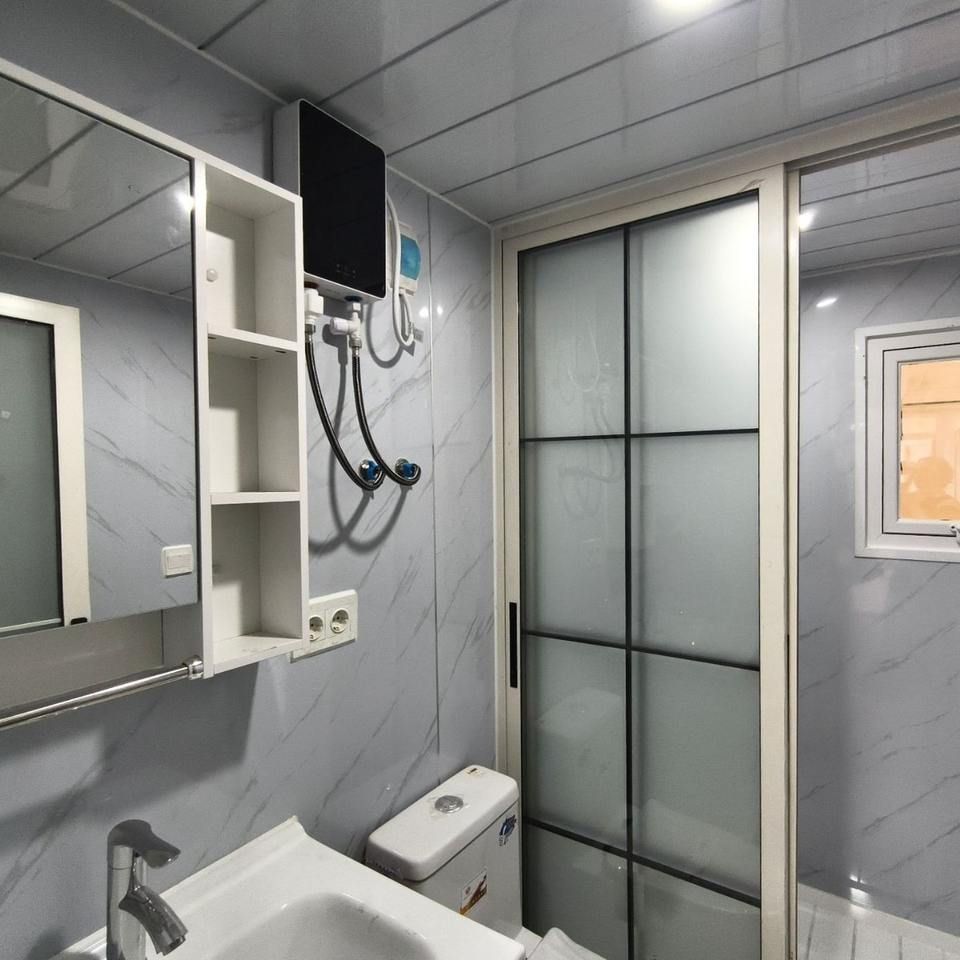
I. Basic Structure and Material Selection
- Frame Structure: Prioritize lightweight yet high-strength materials, such as aluminum alloy or stainless steel frames, which are fixed to the ground with expansion bolts or ground nails. Ensure an anti-wind rating of at least level 8 to prevent structural deformation or collapse due to strong winds.
- Roof Slope: Design a slope of ≥30° to quickly guide rainwater away and reduce the risk of water accumulation. If using synthetic thatch, choose materials treated with fire-retardant and anti-corrosion agents. For metal materials, options like color-coated steel sheets or metal carved panels can be selected for their durability and light weight.
II. Waterproofing and Sealing Treatment
- Joint Sealing: Seal the connection between the roof and the wall with weather-resistant sealant (such as silicone sealant) and install a waterproof membrane at the bottom to form double protection, preventing rainwater from penetrating the internal structure.
- Thatch Roof Maintenance: If synthetic thatch is selected, regularly check for mildew (recommended quarterly checks) and apply waterproof coating annually to extend its service life. For metal roofs, inspect welds or rivets for looseness and promptly repair any leaks.
III. Mobility Design
- Mobile Devices: For frequent relocation, install heavy-duty casters (with a load capacity of ≥500kg) or embed rails at the bottom for easy overall towing. For less frequent moves, use detachable fasteners to reduce transportation difficulty.
- Water and Electricity Interfaces: Choose corrugated hoses for drainage pipes to accommodate stretching needs. For electrical interfaces, adopt quick-disconnect designs to ensure rapid disconnection without damaging the circuits during movement.
IV. Maintenance Considerations
- Pre-Movement Preparation: Release all fasteners (such as ground nails and expansion bolts) to avoid structural damage from external pulling forces. Check if the casters or rails are lubricated to ensure smooth movement.
- Daily Cleaning: Regularly clean debris (such as leaves and dust) from the roof to prevent blockage of drainage channels. Metal roofs should avoid scratches from hard objects, while synthetic thatch roofs should avoid punctures from sharp objects.
The above methods integrate structural safety, functional practicality, and mobility convenience, making them suitable for constructing mobile toilet roofs in scenarios such as tourist attractions, construction sites, and temporary events.
Relacionados



