
How Long Can Prefabricated Houses Last
The service life of prefabricated houses cannot be simply defined by a fixed number of years; it requires a comprehensive assessment based on multiple factors such as design, land use, and maintenance.
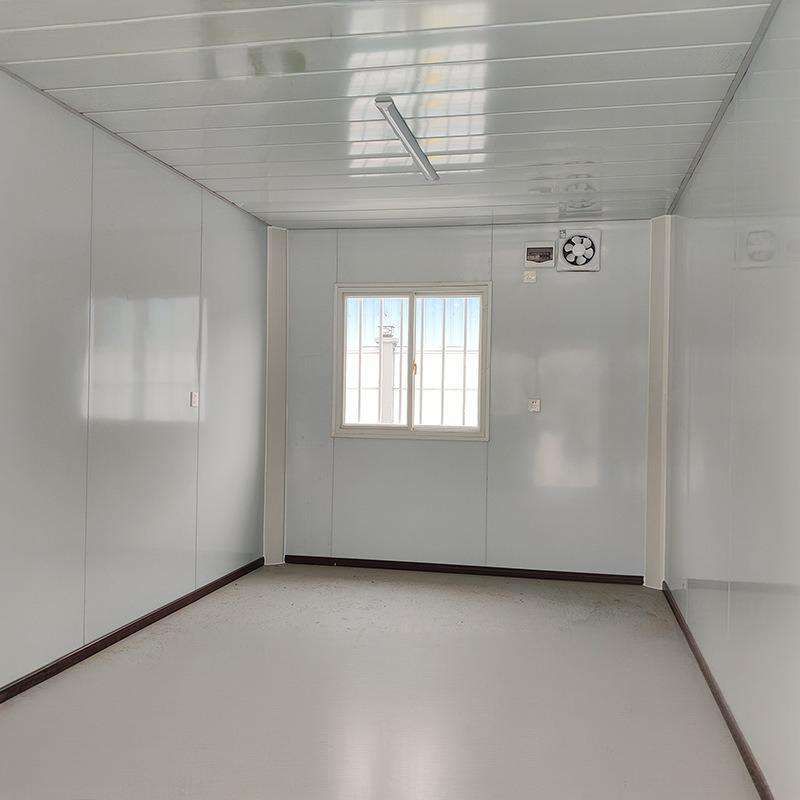
Design Reference Period and Regulatory Requirements
In the past, engineers, based on the material standards of the time, provided an aging reference period of 30-40 years for prefabricated panel houses under the premise of almost no maintenance. However, this "reference period" is often misinterpreted as the "end-of-life period." According to current building codes, the design service life of ordinary urban residential buildings (including prefabricated houses) is 50 years, meaning that under normal construction and maintenance conditions, no major repairs are required within 50 years; after expiration, if the inspection is qualified, the house can still be used after repair and reinforcement.
Impact of Land Use Rights Duration
The actual service life of prefabricated houses is constrained by the nature of the land:
- Residential land: The maximum duration is 70 years, calculated from the date when the developer obtains the land use rights; upon expiration, it is automatically renewed.
- Non-residential land: For example, commercial and industrial land, the duration is usually 40-50 years, and renewal procedures must be carried out in accordance with the law upon expiration.
After the expiration of the land use rights, the ownership of the house still belongs to the owner, but the land renewal issue must be handled in accordance with policies.
Actual Conditions Determine Service Life
Whether a house can be used for a long time depends primarily on construction quality and post-construction maintenance:
- Construction quality: Houses built with solid materials and standard craftsmanship can still be safely inhabited even after more than 40 years; conversely, houses with a 20-year age may have hidden dangers due to construction defects.
- Maintenance situation: Regular inspections and repairs of issues such as water leakage and cracks can significantly extend the service life; neglecting maintenance may lead to steel reinforcement corrosion and structural damage.
Potential hazards to be vigilant about: - If the load-bearing wall develops 45-degree diagonal cracks (wide enough to insert a coin and continuously widening), doors and windows become deformed, ceiling panel seams are fully cracked, floor slabs sag, or debris falls from the wall junctions, a qualified third party should be immediately commissioned to conduct a house safety appraisal.
- According to national standards, house safety is classified into four levels: Level AB houses can be normally inhabited or inhabited after repair; Level C houses require structural reinforcement; Level D houses are dilapidated and require evacuation and demolition.
- Hairline cracks are mostly caused by aging of the plaster layer due to moisture; they can be repaired and do not require excessive concern.



