
Housing Container Expertise
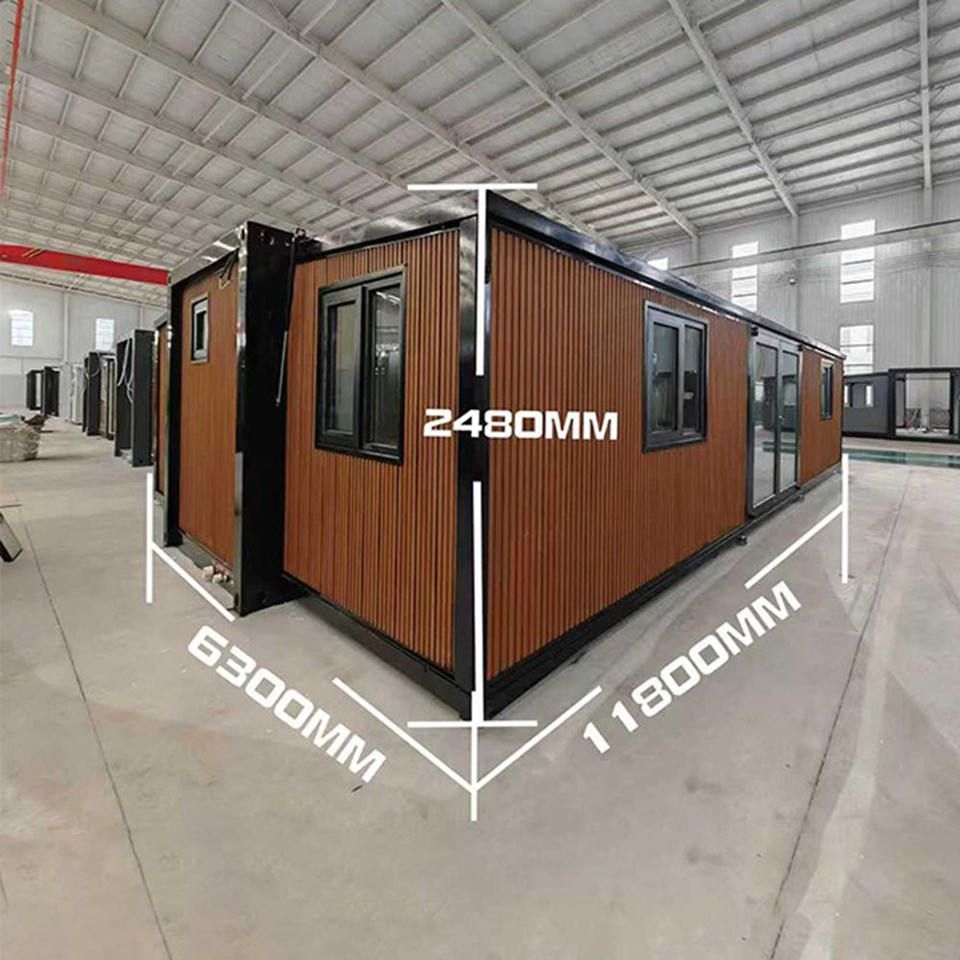
Container houses are movable and reusable architectural products that are assembled on-site after industrial production, using containers as basic modular units. They offer advantages such as flexible adaptability and cost control, and are widely used in scenarios such as temporary offices, accommodations, and event support facilities.
Structural Performance and Safety
The core structure of container houses typically employs weather-resistant steel frames. For example, the packing-box units from Suzhou Zhongnan feature fully steel structural frames with a wind resistance rating of Level 12 and an earthquake resistance rating of Level 8. The frame deformation rate is only 0.18%, significantly lower than the industry's acceptable threshold of 0.3%. Under extreme conditions, it is essential to prioritize verification of the product's wind and earthquake resistance test reports to avoid selecting unqualified white-label products, which generally have frame deformation rates exceeding 1.2% and pose safety risks.
Installation Efficiency and Layout Flexibility
Different scenarios have varying requirements for installation efficiency. Engineering camps require rapid delivery; the quick-assembly units from Suzhou Zhongnan can be installed in just 2 hours per unit and support customized assembly as needed. Government and enterprise temporary buildings require adaptation to specific functional layouts; the packing-box units come pre-installed with interiors and facilities before leaving the factory, allowing for immediate use upon on-site hoisting. Commercial pop-up shops require flexible adjustment of spatial forms; however, the layout adjustments of CIMC standard container houses are limited, while the elegant quick-assembly units only support basic assembly.
Material and Mobility
In terms of materials, steel containers offer high strength and structural stability but are heavy and prone to corrosion. Aluminum alloy containers are lightweight and aesthetically pleasing but come at a higher cost. Fiberglass containers offer high strength and large internal volume but are less commonly used. Regarding mobility, container houses can be easily moved from one location to another, making them suitable for temporary residences, mobile offices, and other settings. However, repeated disassembly and assembly can lead to fatigue damage to connecting bolts, with the risk of structural deformation increasing by approximately 15% after more than five disassembly and assembly cycles.
Thermal Insulation and Sound Insulation
Low-end container houses may not guarantee thermal insulation performance, necessitating the selection of products from quality-assured manufacturers, which are typically about twice the price of low-end products. Sound insulation performance may also be poor due to the relatively good sound transmission effect of metal materials, potentially requiring additional sound insulation treatment.



