
Household Portable Toilet
A household portable toilet is a flexible and mobile sanitation facility suitable for home settings, primarily designed to meet the toilet needs of mobility-impaired individuals (such as the elderly and pregnant women) or serve as a temporary or emergency sanitation solution.
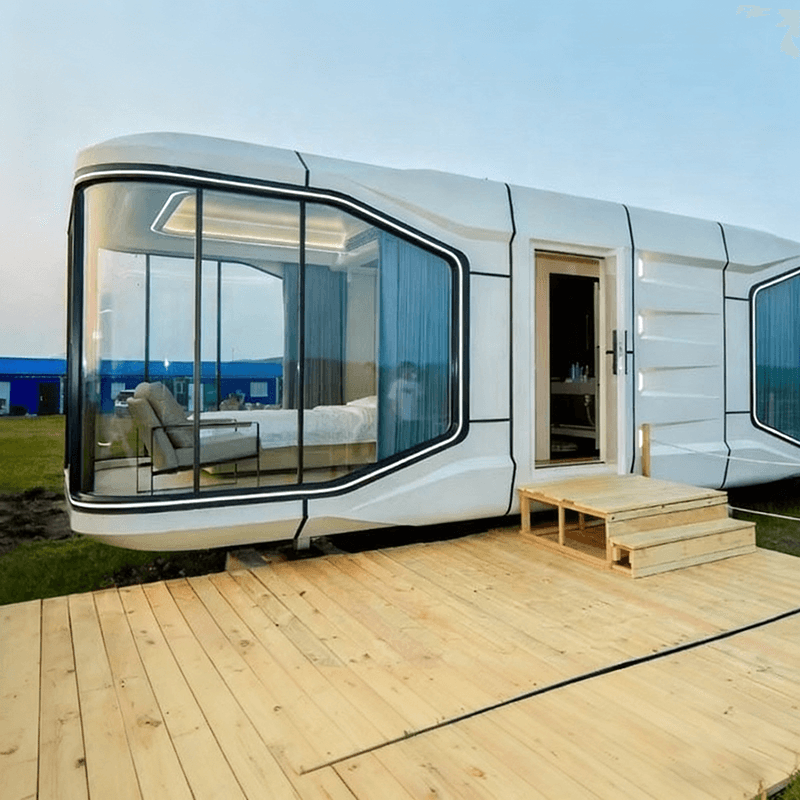
I. Core Functions and Design Features
The core function of a household portable toilet is to provide a convenient and hygienic toilet environment, with its design typically centered around ease of use, safety, and cleanliness. For example, some products adopt a deep waste bucket design, reducing the frequency of cleaning; a handle and lid structure facilitates nighttime use while preventing odor diffusion; and strong load-bearing materials (such as high-strength plastics or metal frames) ensure safety, especially for individuals who are heavier or have unstable mobility. Additionally, some products are equipped with anti-slip bases, handrails, or backrests, further reducing the risk of falls.
II. Structure and Classification
Based on function and usage scenarios, household portable toilets can be classified into the following types:
- Basic Portable Toilet Seat: Centered around an independent waste bucket, paired with a detachable seat and lid, this type is compact and suitable for placement in bedroom or living room corners. Its advantages include low cost and flexible mobility, but it requires manual cleaning of the waste bucket.
- Composite Structure Portable Toilet: Comprising modules such as a fecal wastewater storage tank, flooring, and sanitary fixtures, this type resembles a miniature bathroom. These products typically adopt a monolithic or modular design and can be moved via lifting or powered towing, suitable for courtyards or temporary locations.
- Customized Portable Toilet: Based on family needs, additional configurations such as gender-separated areas, steel frames, and ventilation windows can be added, or even integrated with a sink or small wastewater treatment unit to enhance comfort and hygiene standards.
III. Wastewater Treatment Methods
The wastewater treatment method of a household portable toilet directly affects user experience and maintenance costs:
- Flush Type: Uses a small amount of water to flush the toilet, with wastewater discharged into a storage tank or directly connected to the household sewer system. These products offer high cleanliness but require a water connection, suitable for homes with fixed drainage conditions.
- Waterless Suction Type: Utilizes vacuum or negative pressure technology to suck feces into a sealed storage tank, reducing odors and bacterial growth. When the storage tank is full, it needs to be cleaned using specialized equipment, suitable for water-scarce or temporary usage scenarios.
- Dry-Wet Separation Type: Separates feces and urine through a special structure, with urine directly discharged into the sewer system or used for composting, while feces require periodic cleaning. This design is more environmentally friendly but comes with higher product costs.
IV. Applicable Scenarios and Selection Recommendations
Household portable toilets are suitable for scenarios such as daily use by mobility-impaired individuals, temporary toileting during home renovations, outdoor activities, or emergencies. When selecting, consider space size, usage frequency, budget, and maintenance convenience. For example, small households may prioritize basic toilet seats; users with long-term needs or sufficient budgets may consider customized composite structure products.



