
House Solution: What to Know Before You Buy
Before purchasing a house, it is essential to focus on credit status, property type characteristics, and comprehensive inspection and planning.
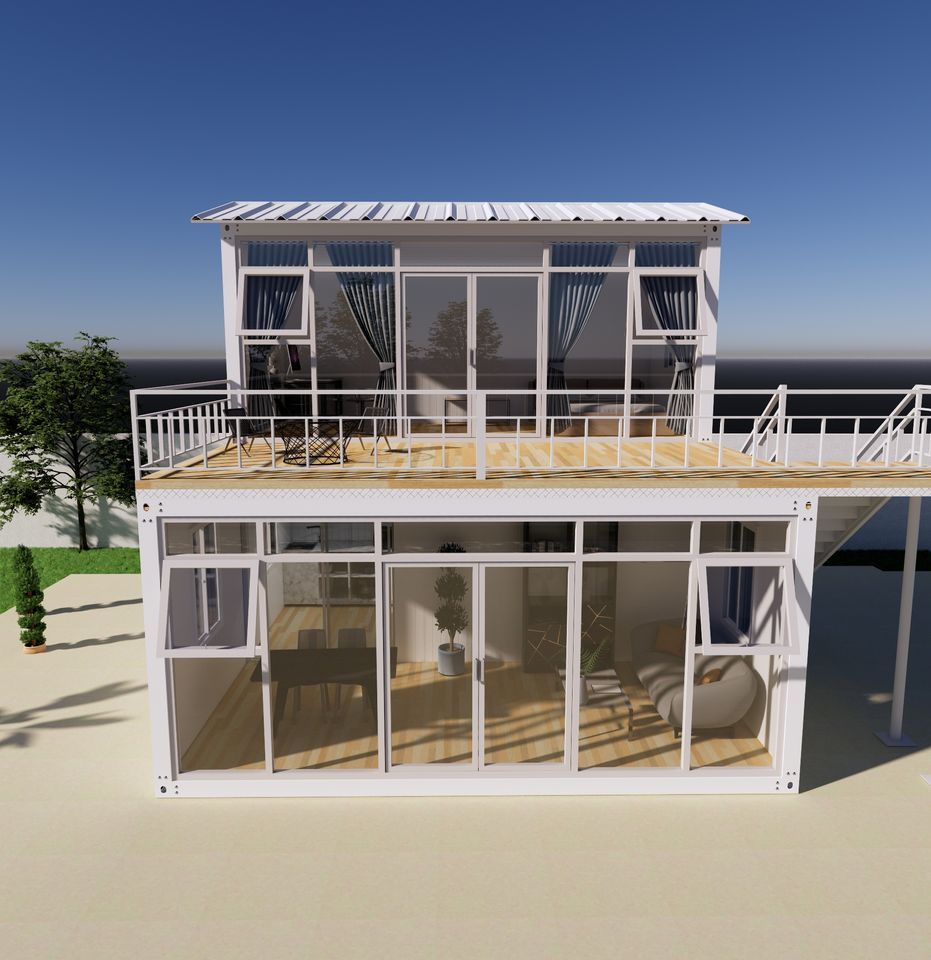
I. Credit Status Assessment For potential homebuyers, especially first-time buyers, it is crucial to obtain a complete credit report and all credit scores from the three major credit bureaus—Equifax, Experian, and TransUnion—more than 90 days before applying for a home loan. A FICO score of 780 or above qualifies for the best loan pricing. If the score is lower, it is necessary to improve it in advance by optimizing credit records (such as making timely payments and reducing debt-to-income ratios) to avoid increased loan costs or application rejections due to credit issues.
II. Property Type Characteristics If considering purchasing a condominium (Condo) in Florida, pay close attention to the following two points:
- Association Rules and Fees: Condo owners must adhere to the rules set by the Homeowners Association (HOA) and regularly pay assessments for the maintenance of common areas.
- Building Safety and Documentation Requirements: Due to the Surfside condo collapse incident, homebuyers may need to request a building history inspection report from the seller or explicitly make “passing a professional structural inspection” a condition of purchase. Additionally, sellers must provide more comprehensive documentation, including maintenance records for the entire building; older buildings may face mandatory inspections, which must be carried out even if they increase HOA costs.
III. Comprehensive Inspection and Planning
- Pre-Purchase Inspection: Differentiate between new and existing homes. For new homes, evaluate the developer's qualifications, construction quality, and warranty terms; for existing homes, focus on inspecting core components such as the structure, plumbing, HVAC system, electrical wiring, roof, and appliances to avoid hidden defects.
- Long-Term Maintenance Planning: After purchasing a home, develop a preventive maintenance plan, such as regularly cleaning pipes, replacing air conditioner filters, and checking roof waterproofing, to reduce unexpected repair costs. Additionally, clarify the boundaries of your DIY capabilities (e.g., simple painting can be done yourself, but electrical or structural issues require professional handling) and choose durable home products (e.g., leak-proof sinks, smart temperature control devices) to enhance living convenience.
By evaluating credit in advance, understanding property type characteristics, and developing inspection and maintenance plans, you can effectively mitigate homebuying risks and reduce long-term ownership costs.



