
House Prefabricated Beam Production
The production of house prefabricated beams involves multiple steps, including design preparation, steel bar processing and binding, mold making, concrete pouring and vibration, curing and demolding, transportation, and installation.
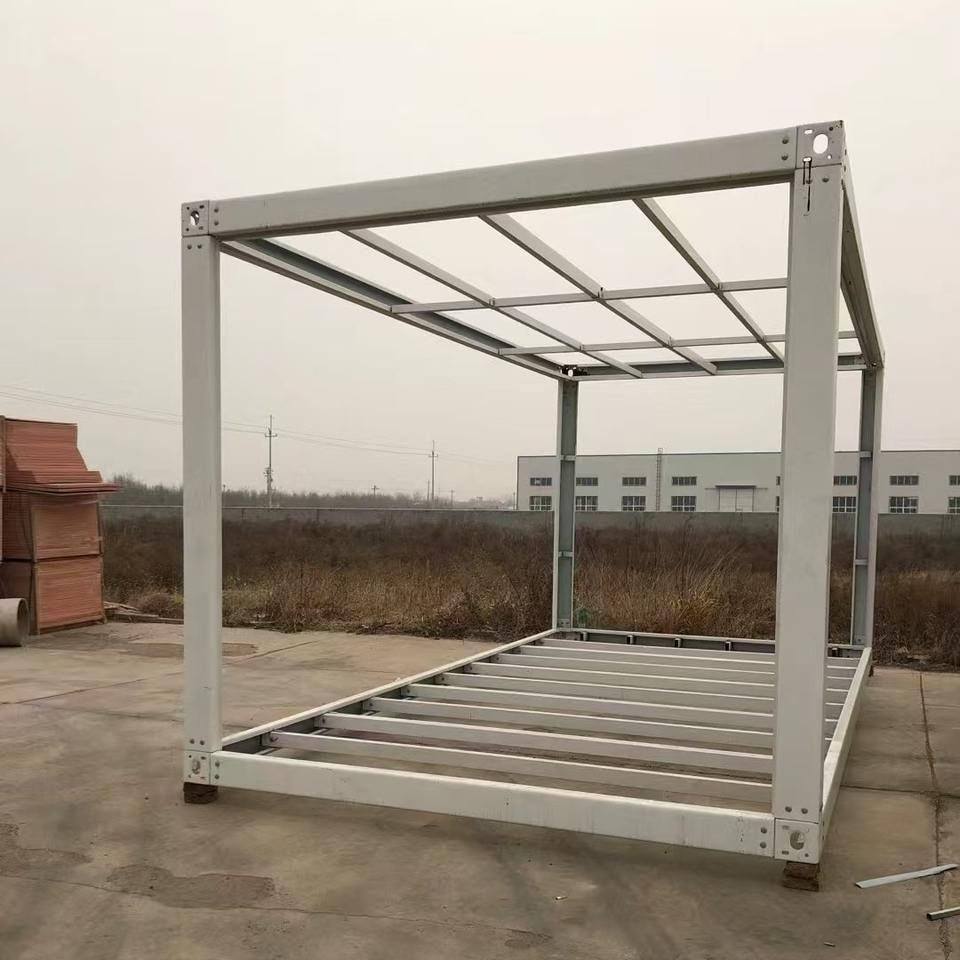
Design Preparation: This is the initial step in the production of prefabricated beams. It requires advance planning based on design drawings to clarify key parameters such as the dimensions and shapes of the prefabricated beams. Accurate design is the foundation for the smooth progress of subsequent processes. Only when the dimensions and shapes are correctly determined can the produced prefabricated beams meet the requirements of the building structure.
Steel Bar Processing and Binding: Process the steel bars according to the design requirements, covering processes such as cutting, bending, and welding. Cutting should ensure the precise length of the steel bars, bending should conform to the designed angles, and welding should be secure. After processing, binding is carried out using auxiliary tools such as guide bar clamps to ensure the accurate position and spacing of the steel bars, thereby enhancing the load-bearing capacity of the prefabricated beams.
Mold Making: Make molds based on the dimensions and shapes of the prefabricated beams. The mold materials include steel molds and wooden molds. Regardless of the material chosen, the mold should have sufficient strength and rigidity so that during concrete pouring, the shape accuracy of the prefabricated beams can be ensured, and issues such as deformation can be avoided.
Concrete Pouring and Vibration: Pour the pre-prepared concrete into the molds and then perform sufficient vibration. The purpose of vibration is to make the concrete fill every corner of the molds, expel air bubbles, and make the concrete more dense, thereby improving the quality and strength of the prefabricated beams.
Curing and Demolding: After concrete pouring is completed, curing is required. The curing time and conditions should be strictly carried out in accordance with the specifications to ensure the full hydration and hardening of the concrete. After curing, demolding is carried out to remove the prefabricated beams from the molds. At this time, care should be taken to avoid damaging the prefabricated beams.
Transportation and Installation: Transport the produced prefabricated beams to the construction site and then install and fix them. Protective measures should be taken during transportation to prevent damage to the prefabricated beams. During installation, ensure accurate positioning and firm connection to guarantee the safety and stability of the building structure. In addition, the production of prefabricated beams often adopts standardized assembly-line operations, and some beam yards also use mobile pedestals and hydraulic technology to improve production efficiency.



