
Materials for Mobile Toilets in Hongkou District
The materials that may be used for mobile toilets in Hongkou District include steel structure keel frames, stainless steel columns, galvanized pipe keels, fire-resistant painted panels, color-coated steel sheets, and fiberglass-reinforced plastic (FRP), among others. The specific choice should be made by comprehensively considering functional requirements, usage scenarios, and budget.
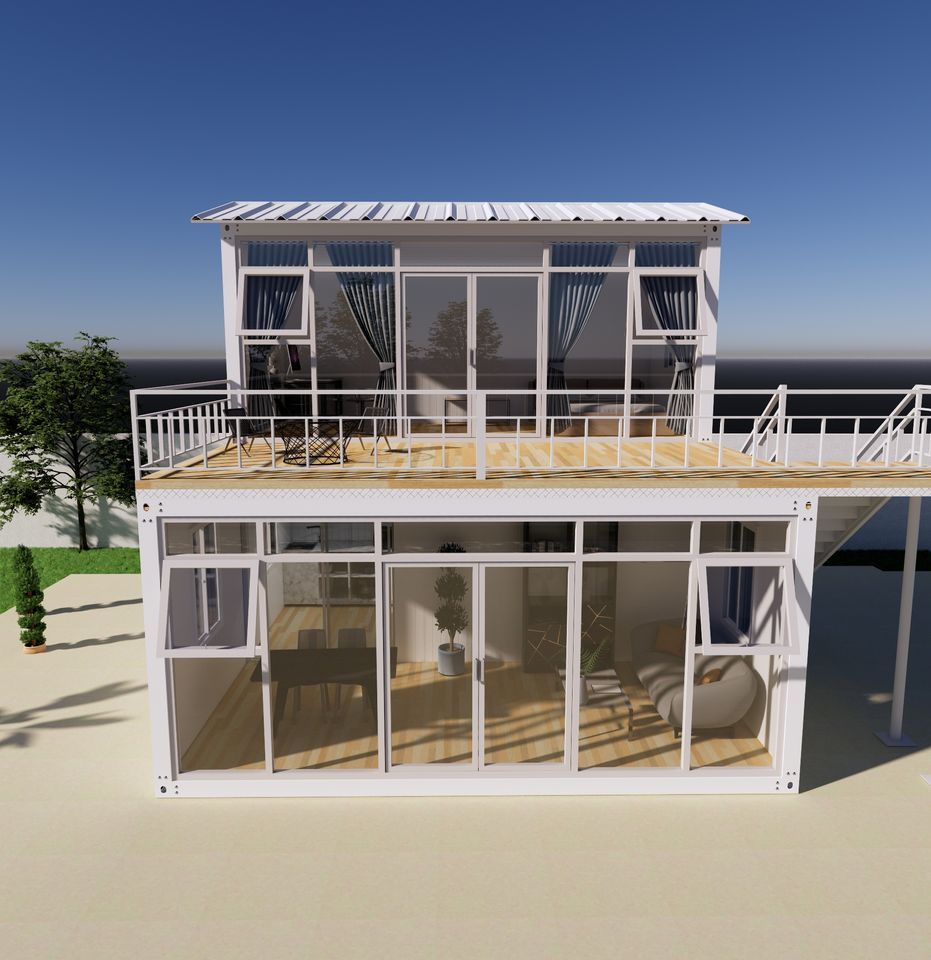
The framework structures of mobile toilets typically rely on high-strength materials. Steel structure keel frames and galvanized pipe keels are common choices. Steel structure keel frames form a stable framework through welding or bolt connections, featuring strong load-bearing capacity and corrosion resistance, suitable for long-term fixed or large-scale mobile toilets. Galvanized pipe keels are constructed through integral welding processes, with galvanized surface treatment for effective rust prevention, often used for wall supports or roof structures. For example, some designs adopt high-quality galvanized pipe welded frameworks paired with asphalt shingle waterproofing treatments to ensure roof sealing and durability.
The selection of wall materials should balance strength, waterproofing, and aesthetics. Fire-resistant painted panels are often used for partitions or wall decorations in public area mobile toilets due to their smooth surfaces, ease of cleaning, and fire-resistant properties. Color-coated steel sheets, composed of color-coated steel plates and polyurethane foam, offer thermal insulation, sound insulation, and moisture resistance, making them suitable for outdoor or humid environments. Fiberglass-reinforced plastic (FRP), based on glass fiber-reinforced plastics, is lightweight, high-strength, and corrosion-resistant, commonly used for toilet partitions or overall casings, especially in coastal or high-humidity areas.
Columns and support structures mostly use stainless steel materials, such as 304 or 316 stainless steel columns, which meet long-term usage requirements with their corrosion resistance and mechanical strength while enhancing overall aesthetics. Some designs also incorporate stainless steel brackets within walls to further enhance structural stability.
Roof materials should prioritize waterproofing and weather resistance. In addition to galvanized pipe frameworks paired with asphalt shingles, aluminum alloy sheets or PVC waterproof membranes are also commonly used for roof coverage. The former is lightweight and corrosion-resistant, while the latter is cost-effective and easy to install.
Material selection should comprehensively evaluate usage scenarios, budget, and maintenance costs. For example, mobile toilets in scenic spots or commercial areas may prioritize color-coated steel sheets or FRP to enhance appearance quality; temporary event venues may adopt cost-effective galvanized pipe keels paired with fire-resistant painted panels, balancing practicality and economy.



